University of Oxford begins human trials for new Ebola vaccine
Researchers have launched clinical trials for a new vaccine targeting the Bundibugyo species of Ebola, utilizing a viral vector platform used in the Oxford/AstraZeneca Covid-19 vaccine.
- Headline Dispatch: University of Oxford begins human trials for new Ebola vaccine
- Core Takeaway: Researchers have launched clinical trials for a new vaccine targeting the Bundibugyo species of Ebola, utilizing a viral vector platform used in the Oxford/AstraZeneca Covid-19 vaccine.
- Source Synthesis: Continuous live monitoring aggregated across major news wires and independent bureaus.
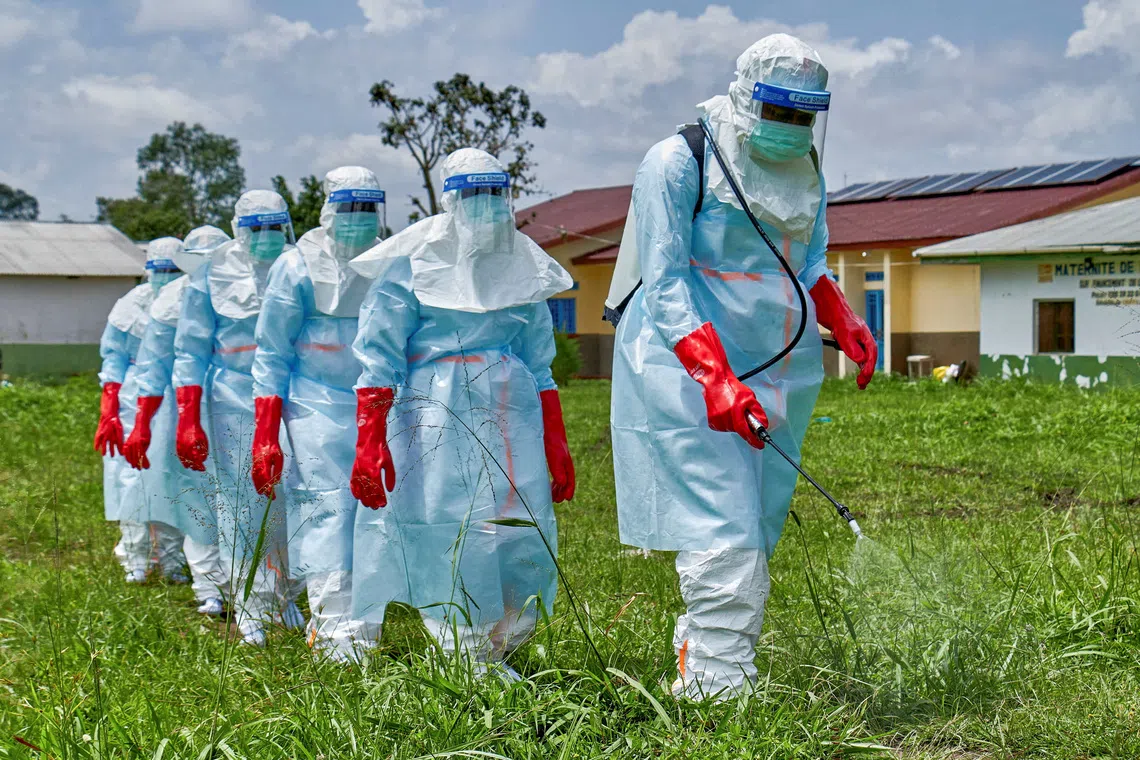
The University of Oxford has officially launched human trials for a new vaccine candidate designed to combat the Bundibugyo species of Ebola. This development arrives as the medical community seeks to address an ongoing outbreak currently affecting the Democratic Republic of the Congo and Uganda. The clinical trial, designated as BD-Ebov, is moving forward to evaluate both the safety and the immune response generated by the ChAdOx1 BDBV vaccine.
The trial involves 50 healthy adult volunteers between the ages of 18 and 55. Participants will be monitored for a period of one year, though researchers expect to determine relatively quickly if the vaccine triggers the necessary immune response. This research represents the first of four vaccines currently under development to reach the stage of clinical trials. The initiative is being led by scientists at the University of Oxford’s Vaccine Group and the Pandemic Sciences Institute.
The vaccine utilizes a viral vector platform previously used in the Oxford/AstraZeneca Covid-19 vaccine. The technology employs a common cold virus that infects chimpanzees, which has been genetically modified to serve as a safe delivery mechanism. By inserting a specific snippet of genetic code from the Bundibugyo species of Ebola, the vaccine prompts the body to produce a viral protein. This process is intended to train the immune system to recognize and defend against the virus without causing an infection.
According to the University of Oxford, the rapid development of this candidate was possible because research teams worked in parallel, allowing them to complete essential testing in a condensed timeframe. Development began shortly after a public health emergency was declared on 17 May. This timeline has been noted by project leadership.
"The ongoing Bundibugyo ebolavirus outbreak continues to devastate affected communities, underlining the urgent need for effective vaccines and treatments. Our team has worked tirelessly with global partners to develop a candidate ChAdOx BDBV vaccine, demonstrating how collaborative partnerships can enable rapid response in the face of rapidly evolving outbreaks."
Professor Teresa Lambe, lead scientific investigator, via The Independent
The current epidemic is the 17th outbreak of the virus in the Congo. Health reports indicate that the situation has become increasingly critical, with confirmed cases reaching 1,813 and fatalities totaling 627 as of early July. Because there are no currently approved vaccines or drugs for the Bundibugyo species, the effort is considered a high priority for international health organizations. The World Health Organization has recommended the prioritization of the ChAdOx1 BDBV candidate for clinical evaluation, alongside another single-dose candidate being developed by the International AIDS Vaccine Initiative.
The manufacturing process is being handled by the Serum Institute of India, which has already produced and stockpiled approximately 620,000 doses of the vaccine. For the current UK-based trial, 4,000 investigational doses have been provided. Financial support for the project includes an initial investment of up to $8.6 million from the Coalition for Epidemic Preparedness Innovations (CEPI).
While the trials are beginning in the UK, researchers are simultaneously coordinating with partners in Africa to establish sites for further clinical studies in Uganda, subject to local regulatory approval. Partners involved in these preparations include the Medical Research Council/Uganda Virus Research Institute and the London School of Hygiene and Tropical Medicine Uganda Research Unit.
Regarding the potential side effects, researchers have addressed concerns based on the history of the platform used. While the Covid-19 vaccine was associated with rare blood clots in some populations, officials involved in the study emphasize that the current trials are being conducted with transparency. According to Dr. Katrina Pollock, chief investigator of the trial, participants are informed of risks, and the severity of the threat posed by the Bundibugyo strain—which kills approximately one-third of those infected—remains the primary concern.
If the early-stage results prove successful, CEPI intends to collaborate with the university and the Serum Institute to move into late-stage studies, with the ultimate goal of seeking emergency-use authorization or full regulatory approval to protect vulnerable populations in the affected regions.
How significant is this development?
Participate in our community survey on the trajectory and real-world impact of this news.