New vitamin B12 therapy shows promise against deadly brain cancer
Researchers have developed a vitamin B12-based therapy that selectively accumulates in deadly brain cancer cells, potentially overcoming treatment resistance.
- Headline Dispatch: New vitamin B12 therapy shows promise against deadly brain cancer
- Core Takeaway: Researchers have developed a vitamin B12-based therapy that selectively accumulates in deadly brain cancer cells, potentially overcoming treatment resistance.
- Source Synthesis: Continuous live monitoring aggregated across major news wires and independent bureaus.
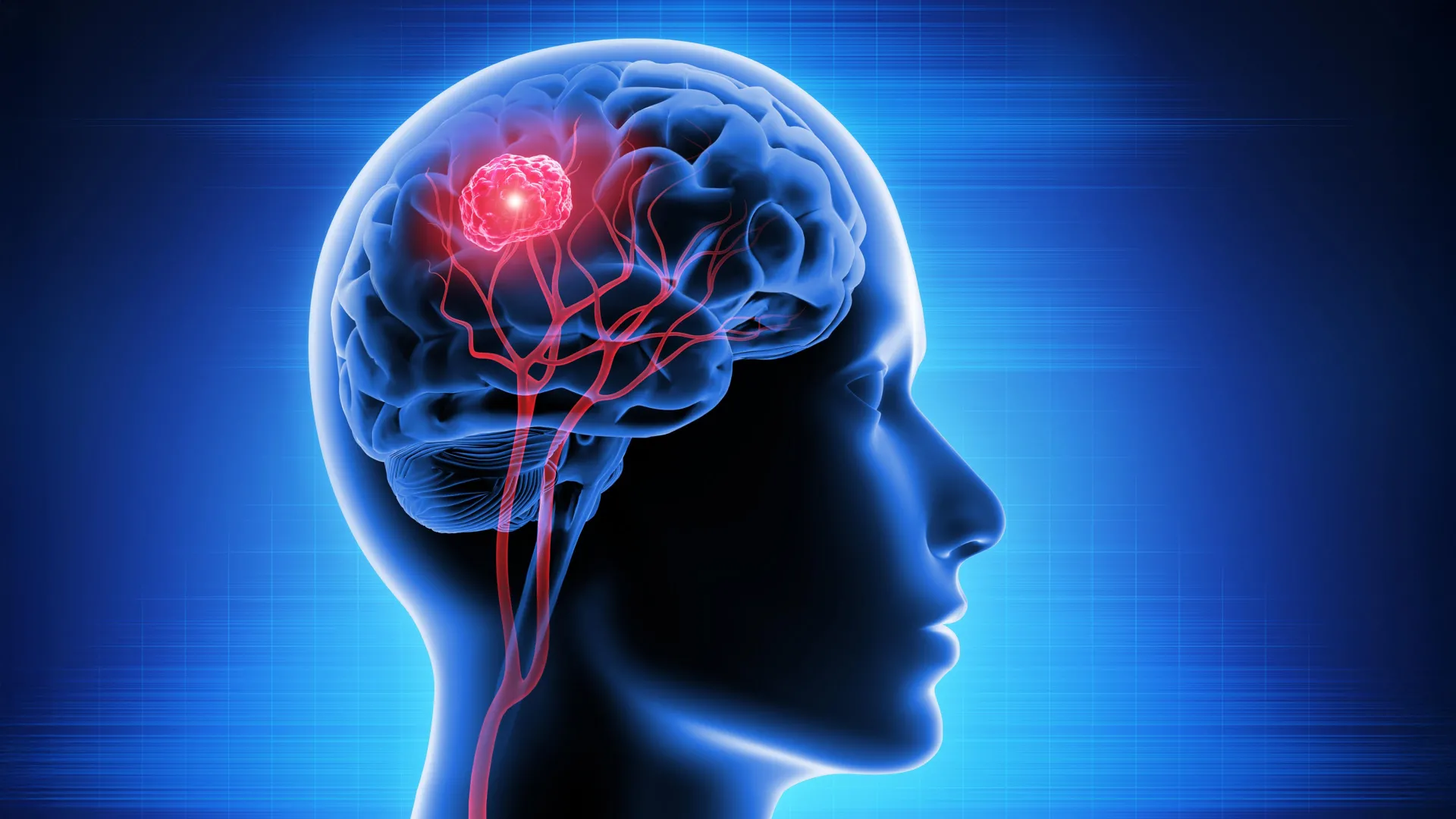
New vitamin B12 therapy shows promise against deadly brain cancer
Researchers have identified a modified form of vitamin B12 that can cross the blood-brain barrier and selectively accumulate in glioblastoma tumors, according to a study published April 2, 2026, in Oncoscience. The compound, known as nitrosylcobalamin (NO-Cbl), acts as a nitric oxide donor and may enhance the effectiveness of existing chemotherapy treatments.
Glioblastoma multiforme (GBM) is one of the most lethal and treatment-resistant brain cancers. Despite the use of radiation, surgery, and chemotherapy, patients typically survive less than 15 months after diagnosis. A primary obstacle to effective treatment is the blood-brain barrier (BBB), a protective structure that blocks many medications from reaching tumor tissue in the brain.
The research was led by Joseph A. Bauer of the Cleveland Clinic Foundation Taussig Cancer Center and Nitric Oxide Services, LLC, along with coauthors Michael J. Dunphy and Annette M. Sysel. The team aimed to exploit the fact that cancer cells rapidly divide and require vitamin B12 (cobalamin) for DNA production, leading them to express high levels of the receptor that takes up the nutrient. NO-Cbl is designed to use this mechanism, specifically the transcobalamin II receptor, CD320, to deliver a cell-killing nitric oxide molecule directly into the tumor.
Experimental Findings and Tumor Targeting
To test the compound, researchers employed several methods, including the NCI-60 human tumor cell line panel and pharmacokinetic studies in rats with glioblastoma tumors. While blood cancer cells showed the highest sensitivity to NO-Cbl, cells from the central nervous system showed a moderate level of sensitivity, performing better than breast or lung cancer cells.
Animal experiments demonstrated that NO-Cbl successfully crossed the BBB and accumulated preferentially within glioblastoma tissue. This differs from typical chemotherapies, which often accumulate in the bloodstream with little penetration into the brain. The researchers found that nitrate levels remained elevated in tumor tissue for at least 24 hours after treatment, while levels in normal tissues declined more rapidly. Data from the study's figures 2 and 3 further support this selective accumulation, showing sustained levels of cobalamin-related metabolites and nitrate in the brain tumor compared to other organs.
Synergy With Existing Treatments
The study also examined whether NO-Cbl could boost the performance of standard and experimental therapies. In laboratory tests using D54 and U87 glioblastoma cells, combining NO-Cbl with the approved chemotherapy temozolomide or the signaling molecule TRAIL resulted in much stronger suppression of tumor cell growth than either treatment achieved alone. Analysis confirmed these synergistic interactions across multiple dose ranges.
According to the authors, NO-Cbl may help overcome treatment resistance through several biological mechanisms:
- Promoting apoptosis via caspase-8 activation
- Suppressing NF-κB survival signaling
- Strengthening TRAIL receptor signaling through S-nitrosylation
The researchers concluded:
"This pilot study demonstrates that NO-Cbl crosses the BBB, accumulates selectively in brain tumor tissue, and synergises with established and experimental glioblastoma therapies."
Study Authors, via Oncoscience
Next Steps for Research
The authors emphasized that these results are from a pilot translational study and are not yet ready for clinical use. Significant further research is required to establish the safety and efficacy of the compound in humans.
Future investigations will focus on optimizing dosing strategies and orthotopic validation. Researchers also plan to track nitric oxide activity over longer durations and explore underlying mechanisms in additional central nervous system tumor models.
How significant is this development?
Participate in our community survey on the trajectory and real-world impact of this news.