WHO adds first Ebola Bundibugyo diagnostic test to its emergency list
The World Health Organization has added the first molecular diagnostic test for the Bundibugyo virus to its Emergency Use Listing to accelerate detection in the DRC.
- Headline Dispatch: WHO adds first Ebola Bundibugyo diagnostic test to its emergency list
- Core Takeaway: The World Health Organization has added the first molecular diagnostic test for the Bundibugyo virus to its Emergency Use Listing to accelerate detection in the DRC.
- Source Synthesis: Continuous live monitoring aggregated across major news wires and independent bureaus.
WHO adds first Ebola Bundibugyo diagnostic test to its emergency list
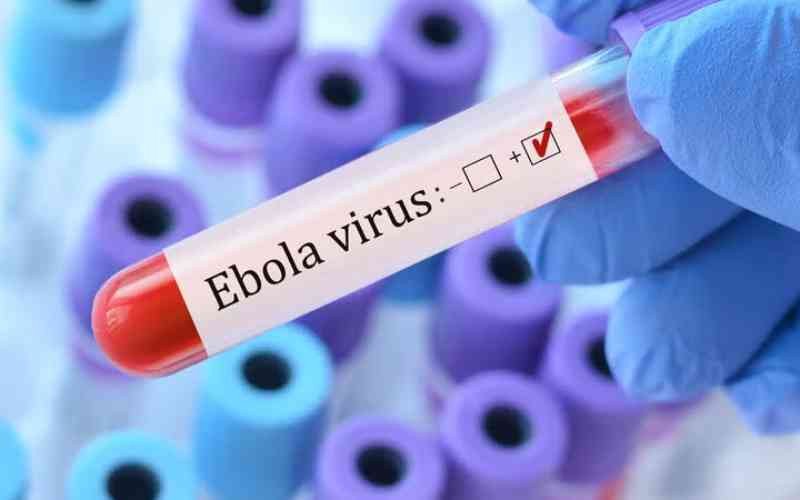
The World Health Organization (WHO) announced on July 2, 2026, that it has added the first molecular diagnostic test for the Bundibugyo virus (BDBV) to its Emergency Use Listing (EUL). This regulatory action aims to accelerate the detection of the virus and fortify containment efforts in the Democratic Republic of the Congo (DRC), which is currently facing the largest recorded outbreak of Bundibugyo Ebola disease in history.
The molecular test identifies the virus's genetic material in blood samples using real-time quantitative reverse transcription polymerase chain reaction (RT-qPCR) technology. According to WHO, the EUL procedure assesses the quality, safety, and performance of health products to ensure they meet international standards and the specific needs of low- and middle-income countries.
The listing follows a critical period of escalating infection. On May 17, 2026, WHO Director-General Dr. Tedros Adhanom Ghebreyesus declared a public health emergency of international concern after the outbreak emerged in the DRC, with additional cases appearing in Uganda. As of July 2, the DRC has reported 1,406 laboratory-confirmed cases and 438 deaths.
Overcoming Diagnostic Bottlenecks
Precise testing is vital because early symptoms of Bundibugyo virus disease often overlap with other endemic illnesses such as meningitis, typhoid fever, and malaria. Previous diagnostic efforts struggled because older tests were designed for other species, such as the Zaire Ebola virus, leading to false negatives and lost weeks in the initial response, according to Dr. Matthew Kavanagh, Director of the Georgetown University Center for Global Health Policy & Politics.
The impact of diagnostic delays was recently illustrated by a case report in Nature Medicine regarding the 2026 index case in Uganda. A patient died of a rapidly progressive illness, and only a posthumous blood analysis using RT-qPCR confirmed the presence of the Bundibugyo virus, allowing authorities to coordinate a regional response.
Laboratory capacity has expanded significantly with support from WHO and the Africa Centres for Disease Control and Prevention (Africa CDC). Capacity grew from a few sites, primarily the Institut National de Recherche Biomédicale in Goma and Kinshasa — which had a combined capacity of approximately 200-400 tests per day — to a network of 10 laboratories across affected provinces capable of over 2,000 tests per day.
But infrastructure remains precarious. Three regional laboratories in the DRC completely ran out of testing reagents in June. Additionally, Dr. Jean-Jacques Muyembe, Director of the Institut National de Recherche Biomédicale, warned that while turnaround times have improved to often deliver results within a single day, the response still struggles with safe burial practices, isolation protocols, and public trust.
Search for Effective Therapy
While diagnostic tools are advancing, no approved vaccines or targeted antiviral therapies currently exist specifically for the Bundibugyo virus. To address this, an international clinical trial known as PARTNERS (Platform Adaptive Randomised Trial for New and Repurposed Filovirus TreatmentS) has begun enrolling patients in the DRC.
Sponsored by WHO and coordinated by the University of Oxford, the Institute of Tropical Medicine in Belgium, and the Institut National pour la Recherche Biomédicale, the trial will evaluate:
- The antiviral drug remdesivir.
- A monoclonal antibody known as MBP134.
- Whether combining both therapies provides greater benefit than using either alone.
The PARTNERS trial uses an adaptive design developed in advance of the epidemic, allowing researchers to add new therapies as evidence emerges. Professor Amanda Rojek of the University of Oxford stated that the initiative reflects the lesson that research must happen alongside the response rather than after it.
"Even without approved therapeutics, people are recovering from this disease, but of course, we could save many more lives with safe and effective therapeutics in our toolkit."
Dr. Tedros Adhanom Ghebreyesus, WHO Director-General, via official announcement
Global Response and Future Validation
The emergency response includes rapid private sector development. Roche announced on June 4, 2026, that its subsidiary TIB MOLBIOL developed a Research Use Only (RUO) molecular PCR test within six days. These RUO tests are shipped directly to laboratories for validation while formal in-vitro diagnostic (IVD) approval processes, which can take months or years, proceed.
To prevent future diagnostic inequities, WHO and Africa CDC are partnering with Unitaid, FIND, PATH, and the Clinton Health Access Initiative (CHAI) to establish a joint validation platform. This platform will rapidly evaluate a selection of products, including antigen rapid diagnostic tests, near-point-of-care molecular tests, and laboratory-based molecular tests.
WHO continues to review additional applications for BDBV IVDs submitted through the EUL procedure to expand the availability of quality-assured tools.
How significant is this development?
Participate in our community survey on the trajectory and real-world impact of this news.