Uruguay secured a 1-1 draw against Saudi Arabia in their group stage match on Tuesday, June 16, 2026, following a second-half equalizer from striker Luciano Araujo. The result leaves both teams with critical points in the tournament standings, as competition intensifies for a spot in the knockout stages of the competition.
Match Performance and Tactical Shifts
The match, held at a neutral venue, saw Saudi Arabia take an early lead during the first half. The team maintained a defensive posture for much of the opening 45 minutes, relying on counter-attacks to pressure the Uruguayan backline. Uruguay controlled the majority of possession but struggled to penetrate the compact Saudi defensive formation until the hour mark.
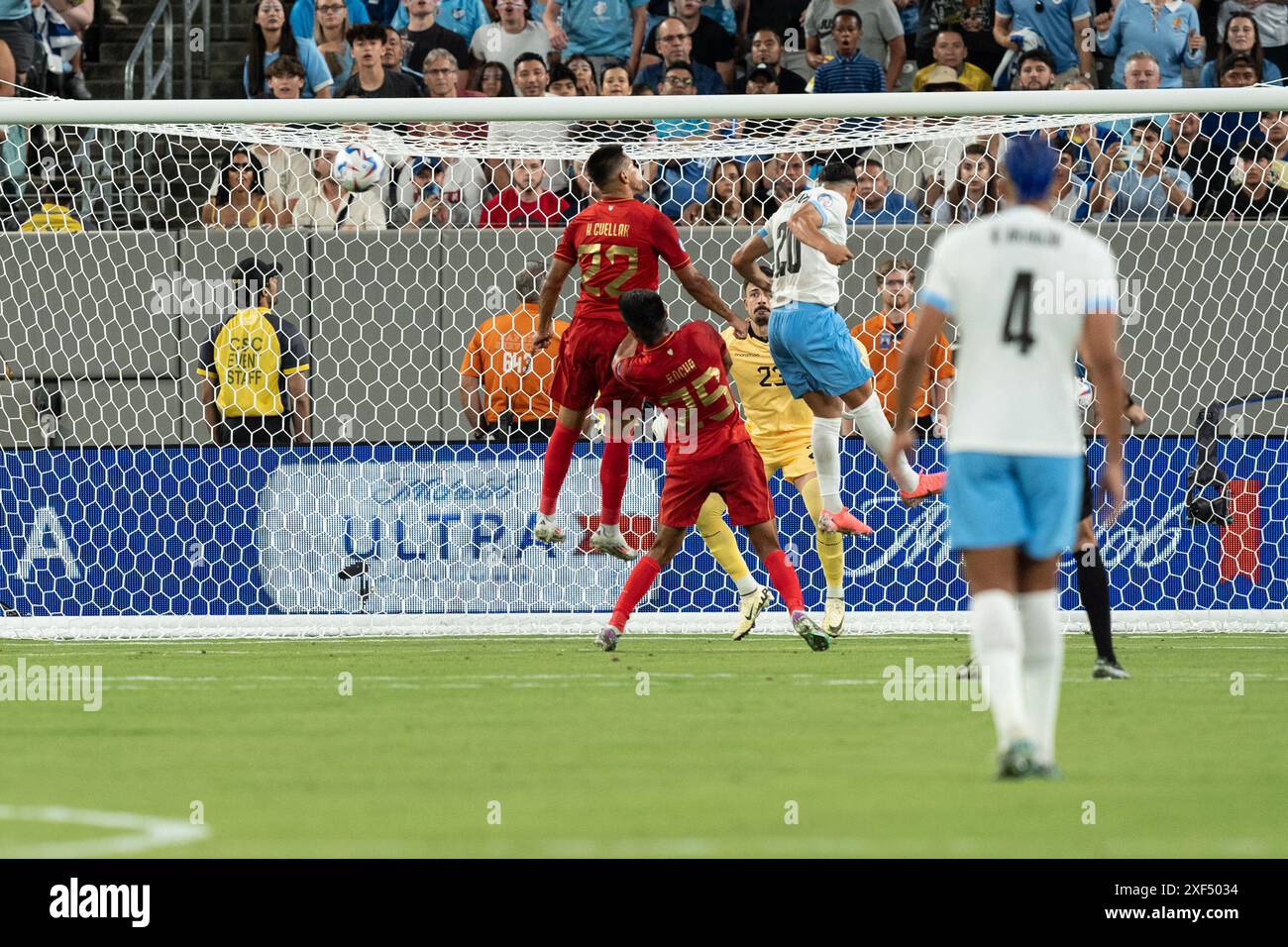
The equalizer arrived in the 68th minute when Luciano Araujo converted a cross from the right flank. Tactical adjustments made by the Uruguayan coaching staff at halftime, which included moving more players into the attacking third, were credited for the increase in scoring chances. By pushing the fullbacks higher up the pitch, Uruguay forced the Saudi midfielders to drop deeper, which eventually created the lane required for the decisive cross.
Throughout the first half, Saudi Arabia’s disciplined shape effectively neutralized Uruguay’s creative playmakers. By utilizing a low block, the Saudi side limited the space available for through balls, forcing Uruguay to play the ball wide. This tactical battle is common in international tournament play, where teams often prioritize defensive stability in early group matches to avoid conceding early goals that can disrupt a team’s entire progression strategy.
Group Standing Implications
This draw carries significant weight for the final rankings within the group. With this result, Uruguay remains unbeaten in the tournament, while Saudi Arabia gains a point that improves their standing relative to the third-place team in the group. In the current tournament format, securing points from every match is vital, as teams are often separated by narrow margins in goal difference when the final round of group matches concludes.
Tournament analysts noted that the efficiency of the Saudi defense proved effective against Uruguay’s high-pressing style. However, the inability of the Saudi side to maintain their lead has created a scenario where goal difference may determine the final qualification spots for the next round. If teams finish level on points, the standard tie-breaking procedure typically looks first to goal difference, then to total goals scored, and finally to head-to-head results. Consequently, every goal conceded or scored during the group phase can have lasting repercussions on a team’s path through the bracket.
Both federations have signaled that their focus now shifts to the final matches of the group phase, which are scheduled to take place later this week. For Uruguay, the next fixture represents a chance to cement their position at the top of the table, while Saudi Arabia faces a must-win scenario to guarantee their advancement without relying on other match results.
Player Impact and Post-Match Comments
Luciano Araujo, whose goal leveled the score, was the focal point of the Uruguayan attack throughout the second half. His movement off the ball forced the Saudi defenders to track him deeper into the midfield, creating gaps for his teammates. Araujo’s form has been a subject of interest for tournament observers, as his ability to find space in crowded penalty areas has been a consistent asset for the Uruguayan squad throughout the qualifying cycle.
Maximiliano Araujo Goal | | Uruguay vs Saudi Arabia 1-1 | FIFA World Cup, Gol de Maximiliano Araújo
We knew the game would be physical and that they would look to close the space. I had to wait for the right moment to find the gap in the box, and luckily, the ball arrived perfectly.
Luciano Araujo, Uruguay National Team Forward
Team officials from both sides acknowledged the intensity of the match. The Saudi coaching staff highlighted their team’s discipline in executing a defensive game plan, while the Uruguayan management emphasized the need for better finishing in future matches. As the tournament progresses, the reliance on set-piece opportunities and late-game substitutions has become a recurring theme for teams in this bracket. Coaches often look to their bench in the final 20 minutes to provide fresh legs against tiring defenses, a strategy that played a role in the momentum shift seen during the latter half of this match.
The match concluded without major injury reports from either side, allowing both squads to maintain their current rosters for the upcoming fixtures. Maintaining roster health is a primary concern for all participating nations, as the dense schedule of a tournament leaves little time for recovery between matches. Players will undergo recovery sessions on Wednesday before beginning tactical preparations for their final group-stage opponents. With no suspensions or medical withdrawals reported, both teams are expected to have their full depth charts available for the final push toward the knockout round.
Aaron Patel leads the Sports Desk, covering global tournaments and athlete profiles. Formerly with Sports Now Online, he has reported from the Olympics and FIFA World Cup. His editorial leadership emphasizes integrity, sportsmanship, and human stories behind the scores.