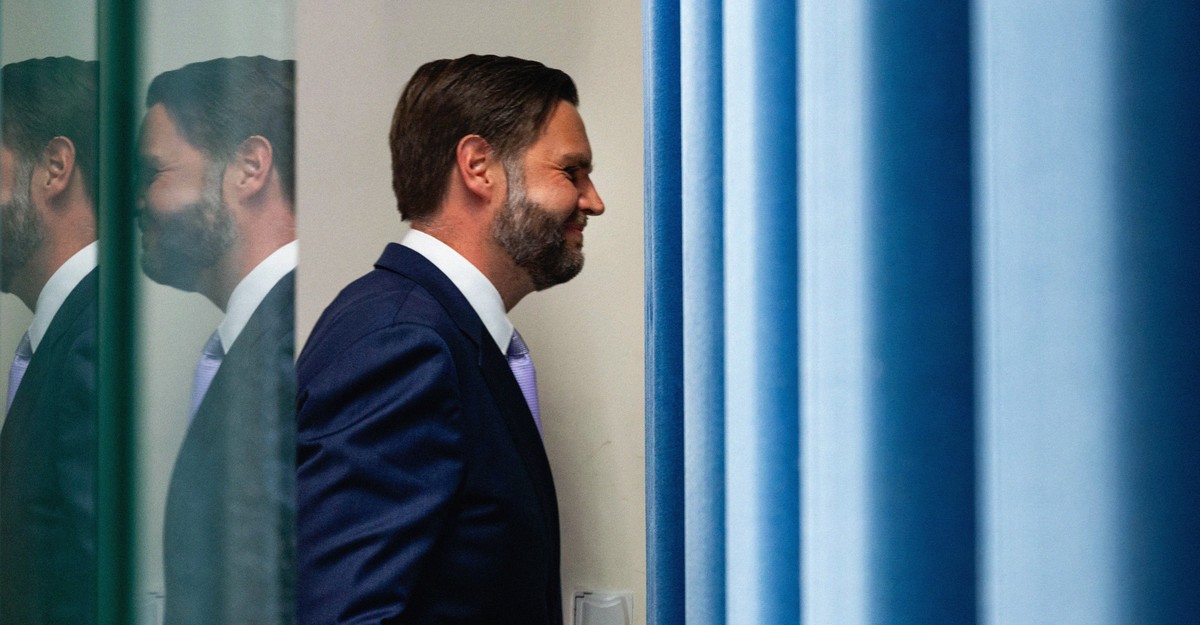
J.D. Vance’s new memoir, *Communion*, released June 16, 2026, delves into his spiritual transformation from atheist to Catholic and his political evolution, while addressing controversial remarks he made in 2021, according to *The Atlantic* and *NBC News*. The book, a follow-up to his 2016 bestseller *Hillbilly Elegy*, explores themes of faith, political identity, and societal values, with Vance reflecting on his role as a potential 2028 presidential candidate.
Spiritual Journey and Political Shifts
Vance’s *Communion* recounts his 2019 conversion to Catholicism, framed as a “conversion narrative” that contrasts with his earlier atheism. “Even during my later years as a strident atheist, the experience sat there inconveniently in the back of my mind,” he writes, referencing a 2016 car accident he describes as a “supernatural experience” that challenged his worldview. The Atlantic notes that Vance views his faith as a source of “humility and grace,” which he believes political leaders should embody.

The memoir also details his shift from a “Never Trumper” to Donald Trump’s 2024 vice presidential pick. Vance attributes this change to his belief in Trump’s effectiveness as a president, though he acknowledges critics see it as a “politically cynical maneuver.” *NBC News* highlights his admission that the decision “was not driven by ambition” but by a conviction that Trump had “proved himself an effective president.”
Revisiting Controversial Remarks
A central chapter in *Communion* addresses Vance’s 2021 comment calling Democratic lawmakers “childless cat ladies,” a remark he now calls “one of the dumbest things I ever said.” The NBC News excerpt reveals Vance’s regret, stating the comment “had the added benefit of distracting from the actual point I wanted to make, which was that our society is becoming pathologically hostile to having kids.” He adds that he “could have made that point much more effectively, and with the benefit of showing a little charity.”
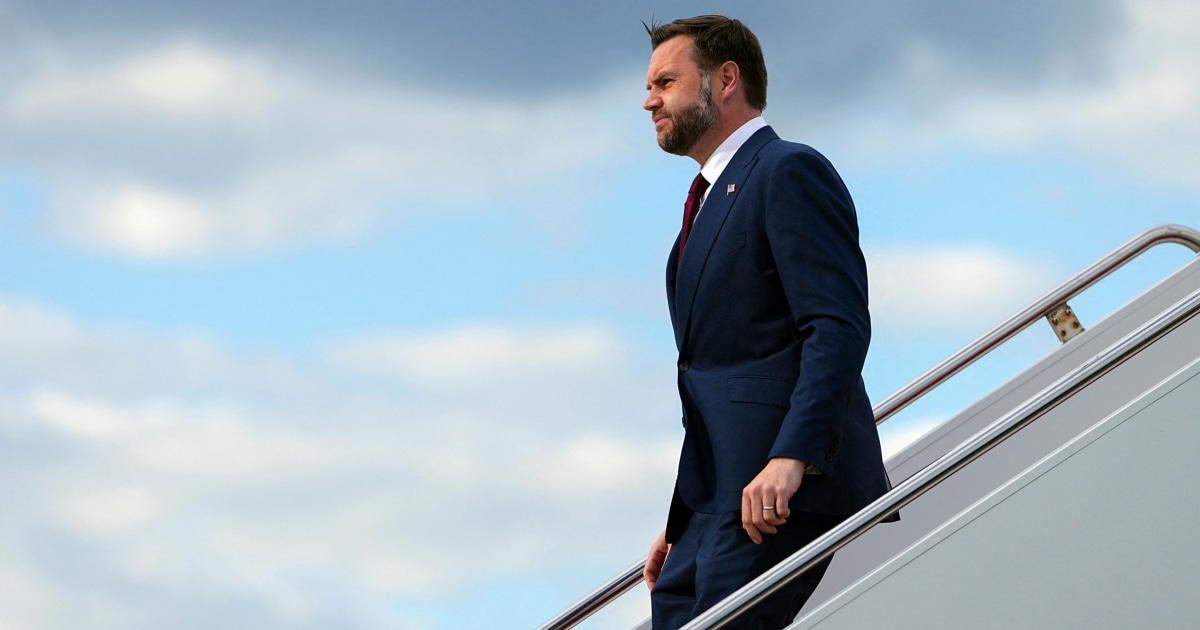
The Atlantic contextualizes this reflection within Vance’s broader faith journey, noting his emphasis on “respecting the dignity of every life.” Vance’s chapter on meeting Pope Francis before the pontiff’s death underscores his alignment with Catholic teachings on issues like abortion, where he acknowledges the political unpopularity of his stance but insists on “prudence” in advocacy.
Commentary on National Values
Vance’s critique of America’s “Christian foundations” appears in both sources. He writes that “our abandonment of Christian culture has coincided with an apparent decline in our collective will to live,” a claim *The Atlantic* frames as part of a broader religious-right narrative. Both outlets note his assertion that “America’s creed” is Christianity, though he stops short of requiring it for citizenship.
The NBC News report emphasizes Vance’s focus on “the spiritual health of the country,” linking his faith to his political strategy. His softened tone compared to past social media rants—described by *The Atlantic* as “not much in evidence”—suggests a calculated effort to position himself as a unifying figure ahead of a potential 2028 run.
What It Means for the Future
Vance’s memoir arrives as he weighs a presidential bid, with *The Atlantic* noting his “notable absence of the conspiracy theorist label” that once defined him. The book’s emphasis on faith and humility could appeal to voters seeking “a different kind of leader,” but his past remarks, like the “cat ladies” comment, remain a liability. *NBC News* quotes Vance acknowledging that “some people argue we should give up on the idea of protecting the unborn,” a stance that may test his appeal beyond evangelical circles.
With the 2028 election cycle looming, *Communion* positions Vance as a candidate grappling with his past while framing his faith as a moral compass. Whether this narrative resonates will depend on how voters balance his spiritual rhetoric with his political history, a tension both sources highlight as central to his evolving identity.
“To my critics, it was a politically cynical maneuver to gain political power. I doubt I’ll ever change their minds,” Vance writes, a line *The Atlantic* notes reflects his awareness of the skepticism he faces. As the book’s release coincides with heightened political scrutiny, Vance’s attempt to reconcile his faith with his ambitions will be a defining chapter in his career.
For more on Vance’s spiritual journey, see The Atlantic. For details on his retraction of the “childless cat ladies” comment, see NBC News.
Find more reporting in our News section.
