Mackenzie Shirilla, currently serving a prison sentence for the 2022 deaths of Dominic Russo and Davion Flanagan, has broken her silence in the new Netflix documentary, “The Crash.” The project explores the 100 mph collision in Strongsville, Ohio, while surfacing previously private text messages detailing the couple’s volatile relationship.
The Digital Footprint of a Fatal Relationship
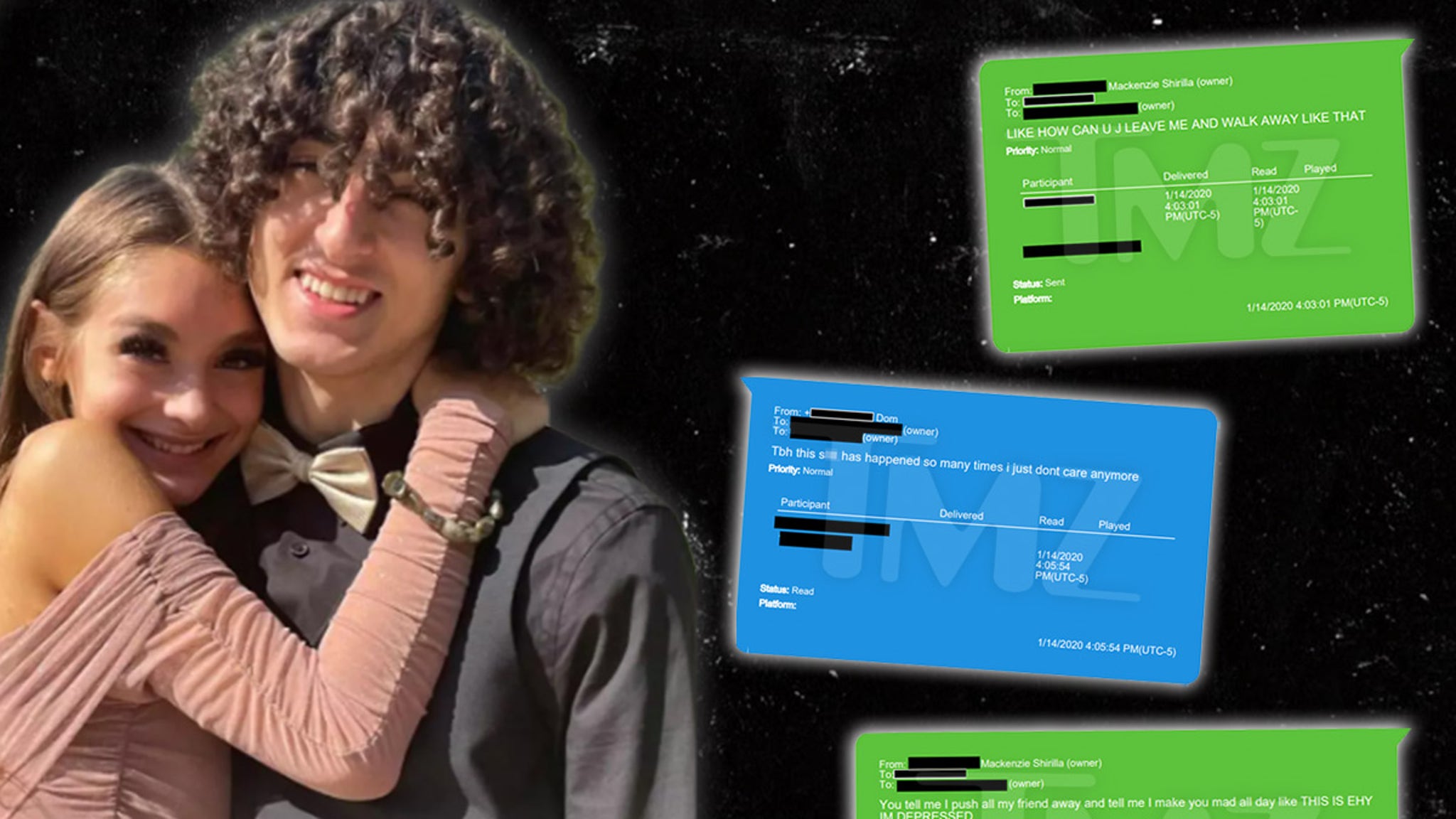
The legal proceedings against Mackenzie Shirilla relied heavily on the digital trail left behind in the months leading up to the July 31, 2022, crash. Prosecutors and defense teams meticulously reviewed communication logs to establish the nature of the relationship between Shirilla and Russo. Recently disclosed text messages reveal a pattern of intense emotional distress.

In these exchanges, Shirilla expressed extreme frustration, at one point messaging her boyfriend, “I’m gonna kill someone,” and stating, “I j want to bang my head on the wall till I’m dead.” Another message emphasized her internal state, reading, “THIS IS WHY I J WANNA F***ING KMS.” These messages, which have now become part of the public discourse surrounding the police investigation, provide a window into a relationship described by investigators as toxic and tumultuous, as reported by TMZ.
A First-Person Account in “The Crash”
The documentary “The Crash” offers a rare look at Shirilla’s perspective, marking the first time she has spoken publicly about the incident. Securing the interview required significant coordination between the production team and Shirilla’s legal counsel. Director Gareth Johnson and producer Angharad Scott noted that the access was highly unusual given the circumstances of the case.
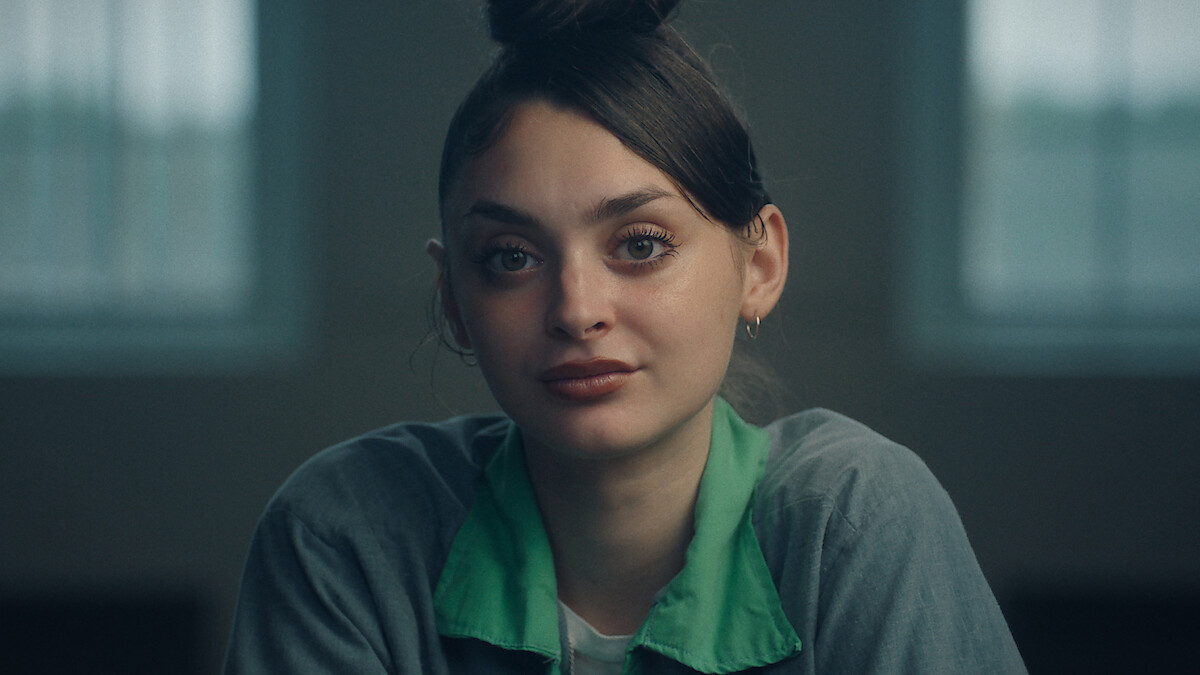
"She was never interviewed by the police either before or after her arrest. It would be unprecedented if she spoke to us, and luckily she said yes.
During the interview, Shirilla addressed the prosecution’s theory regarding her character and intent. While acknowledging the severity of the tragedy, she denied the criminal intent that led to her murder conviction. According to Netflix, Shirilla cited a 2017 diagnosis of postural orthostatic tachycardia syndrome (POTS) as a potential cause for the events of that morning.
"I’m not saying I’m innocent. I was a driver of a tragedy, but I’m not a murderer. The most logical speculation seems to be a medical emergency. I’m unsure, because I have no recollection of that morning, but I know nothing about it was intentional, because that’s not in my character.
Professional Fallout and Community Response
The renewed public scrutiny triggered by the documentary has extended beyond the legal system and into the personal lives of those connected to the case. Steve Shirilla, Mackenzie’s father, has been placed on administrative leave from his teaching position at Mary Queen of Peace School in Cleveland.
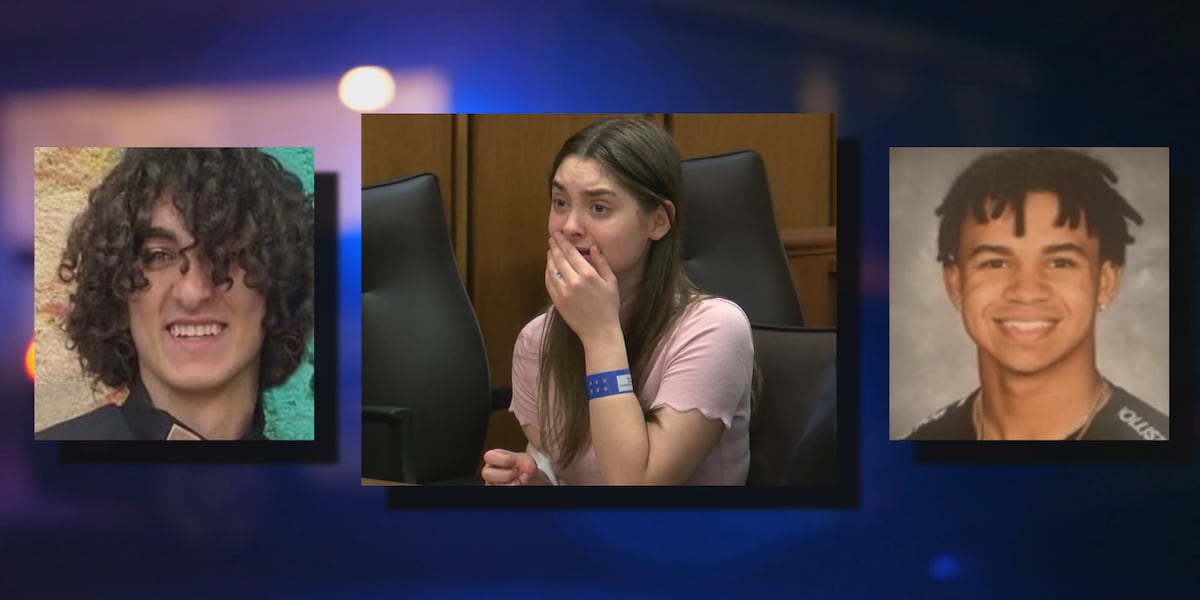
The school administration confirmed that the leave was a response to allegations regarding his judgment following the documentary’s release. In an email to parents, the school emphasized that the decision was made to ensure the safety and well-being of its students. As Cleveland 19 News reported, the school noted that the investigation is ongoing and that the administrative action was a result of community backlash rather than specific conduct within the classroom.
The situation highlights the complex intersection of true-crime media and the real-world consequences for families associated with high-profile defendants. While the legal case concluded in 2023 with a sentence of life in prison with parole eligibility after 15 years, the release of the documentary has reignited local discussions regarding the events of 2022.
The Unresolved Questions of the Case
Despite the testimony provided in the documentary, the core of the case remains a subject of intense debate. Investigators have consistently pointed to the lack of clear answers regarding the final moments before the car struck the brick wall at 100 mph.
"There’s something the prosecutor says in this film, that there’s a black hole at the center of this case, and the black hole is what happened inside the car.
As the documentary continues to circulate, it remains a focal point for those examining how digital evidence and social media behavior influence modern criminal proceedings. The producers of “The Crash” maintain that their goal was not to deliver a verdict, but to document the elements that defined the investigation, including the extensive social media footprint that became a central pillar of the prosecution’s argument.
