Major League Baseball has proposed a sweeping overhaul of its amateur player acquisition system, including the elimination of high school draft eligibility and a dramatic cut to draft bonuses, as part of ongoing collective bargaining negotiations with the MLB Players Association.
MLB’s proposal, unveiled this week, would end the draft eligibility of high school players and younger junior college athletes starting with the 2028 draft, shifting the focus to college players and an expanded international amateur draft. The league also seeks to reduce the draft from 20 to 12 rounds and slash signing bonus pools by more than 50%, from over $401 million in 2025 to $200 million annually. The changes aim to rebalance spending between domestic and international talent acquisition while preserving the number of affiliated Minor League Baseball teams.
Why MLB Wants to End High School Draft Eligibility
Under MLB’s proposed rules, high school players and younger junior college athletes would no longer be eligible for the draft beginning in 2028. Instead, players would need to be at least 20 years old by September 1 of their draft year and two years removed from their high school graduation class. This shift would effectively eliminate the current system, where some players—like Eli Willits, the youngest No. 1 overall pick in 2025—enter the draft immediately after high school.

According to Baseball America, the proposal would also adjust college eligibility. Four-year college players would become draft-eligible one year earlier, while junior college players would lose their current annual eligibility after each season. The changes are designed to standardize the pipeline, ensuring players have more time to develop before entering professional baseball.
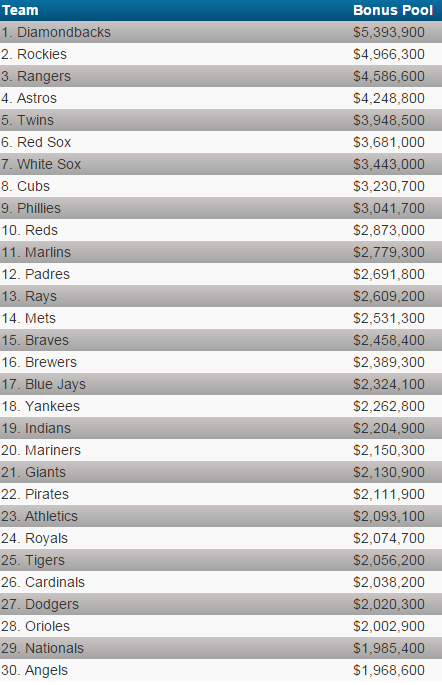
The move reflects MLB’s broader goal of reducing spending on amateur talent acquisition. In 2025, teams spent over $401 million on draft bonuses, with the average team allocating $13.379 million. Under the new proposal, that average would drop to just $6.67 million, with a $200 million cap per draft. The last time MLB teams spent less than $200 million on bonuses was 2010, when the total was $195 million.
How the International Draft Fits Into the Plan
MLB’s proposal introduces a new international amateur draft, mirroring the structure of the domestic draft but with a focus on global talent. Unlike previous CBA negotiations, where MLB pushed for lower bonus pools for international players, this plan equalizes compensation between domestic and international drafts. The league argues that this shift will create a more balanced system, allowing teams to invest in both U.S. and international prospects without favoring one over the other.
The international draft would operate under the same bonus pool rules as the domestic draft, ensuring that teams cannot exploit one market while neglecting another. This change could reshape how teams approach international scouting, particularly in regions like the Dominican Republic, Venezuela, and Cuba, where MLB has historically invested heavily in youth development.
What This Means for Minor League Baseball
One of the most significant aspects of MLB’s proposal is its commitment to preserving the current structure of Minor League Baseball. Despite the dramatic cuts to draft spending, the league has explicitly stated that the number of affiliated teams in the Professional Development License (PDL) system—currently at 120—will remain unchanged. This assurance comes as MLB prepares for the 2030 PDL negotiations with MiLB club owners, signaling that the league does not intend to reduce its investment in player development.
However, the shift away from high school and younger junior college players could have long-term implications for the pipeline. Teams may need to rely more heavily on college programs and international academies, which could alter the demographic makeup of MLB rosters. The proposal also raises questions about how smaller-market teams, which often have less scouting infrastructure, will adapt to the new rules.
How the MLBPA Might Respond
While MLB has outlined its vision for the draft overhaul, the MLB Players Association has not yet released an official response. The union’s stance will be critical, as the current CBA expires in December 2026. The proposal comes after the MLBPA previously pushed back against MLB’s revenue-sharing model, arguing that any new agreement must include significant concessions on player compensation and draft spending.
According to Baseball America, the MLBPA may see this proposal as a step toward addressing its concerns about draft spending. However, the union could also resist changes that limit the opportunities for younger players, particularly those from smaller high schools or less affluent backgrounds.
What Happens Next in CBA Talks
The timeline for these negotiations remains uncertain, but MLB’s proposal sets the stage for what could be one of the most significant overhauls of baseball’s amateur player development system in decades. If adopted, the changes would take effect starting with the 2028 draft, giving teams and players several years to adjust to the new rules.
Key questions moving forward include how the MLBPA will respond to the proposed changes, whether smaller-market teams will have the resources to compete under the new draft structure, and how the shift away from high school players will impact the diversity of MLB’s talent pipeline. The negotiations will also need to address how the international draft will integrate with existing international signing rules, particularly in regions where MLB has faced scrutiny over player exploitation.
For now, the proposal remains just that—a proposal. But if MLB and the MLBPA can reach an agreement, the changes could reshape the future of baseball’s draft and the players who enter the league each year.
One thing is clear: This is not just about changing the rules. It’s about redefining who gets to play the game—and how.
Find more reporting in our Sports section.
