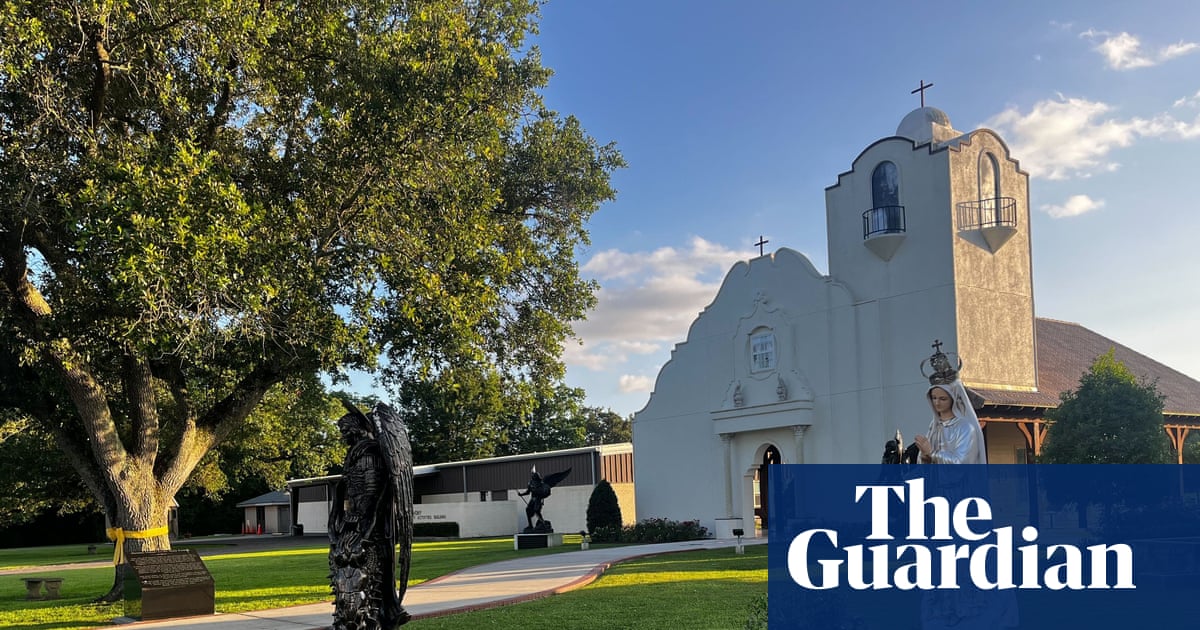
Anthony Odiong, a former Catholic priest, was convicted in Texas on May 29, 2026, for sexual assault, leading to the removal of his name from a Louisiana chapel he helped build. The Our Lady of Guadalupe chapel in Luling, Louisiana, had its inscriptions of Odiong’s name obscured with black tape, marking a symbolic rejection of the 57-year-old cleric’s legacy after his conviction for exploiting his spiritual authority to engage in sexual relationships with parishioners. The trial, which concluded after a four-day session, saw Odiong found guilty on three counts of sexual assault, with the potential for life imprisonment on the most severe charge. The Guardian reported the chapel’s name removal, while KWTX detailed the legal proceedings.
A Legacy Erased: The Chapel’s Name Removed
Odiong, who had raised approximately $600,000 to construct the Our Lady of Guadalupe chapel in 2020 while serving as a pastor at the adjacent St. Anthony of Padua church, saw his name stripped from the chapel’s exterior hours after his conviction. The chapel, which he founded, still bears the engraved words of his own declarations, including “This Mission of building Mother Mary’s house in Luling, Louisiana, is a labor of love.” However, the inscriptions of his name were covered with black tape, reflecting the community’s response to his crimes. The removal followed his suspension from public ministry by the Catholic Archdiocese of New Orleans in late 2023 over misconduct allegations, including anti-LGBTQ+ remarks that conflicted with broader church inclusivity efforts. The Guardian highlighted the poignant contrast between Odiong’s self-proclaimed spiritual mission and the survivors’ accounts of his exploitation.
The Trial and Its Aftermath
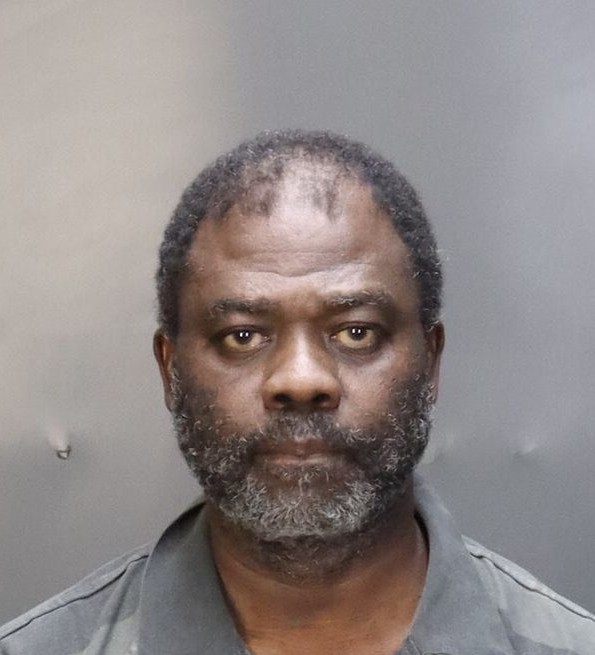
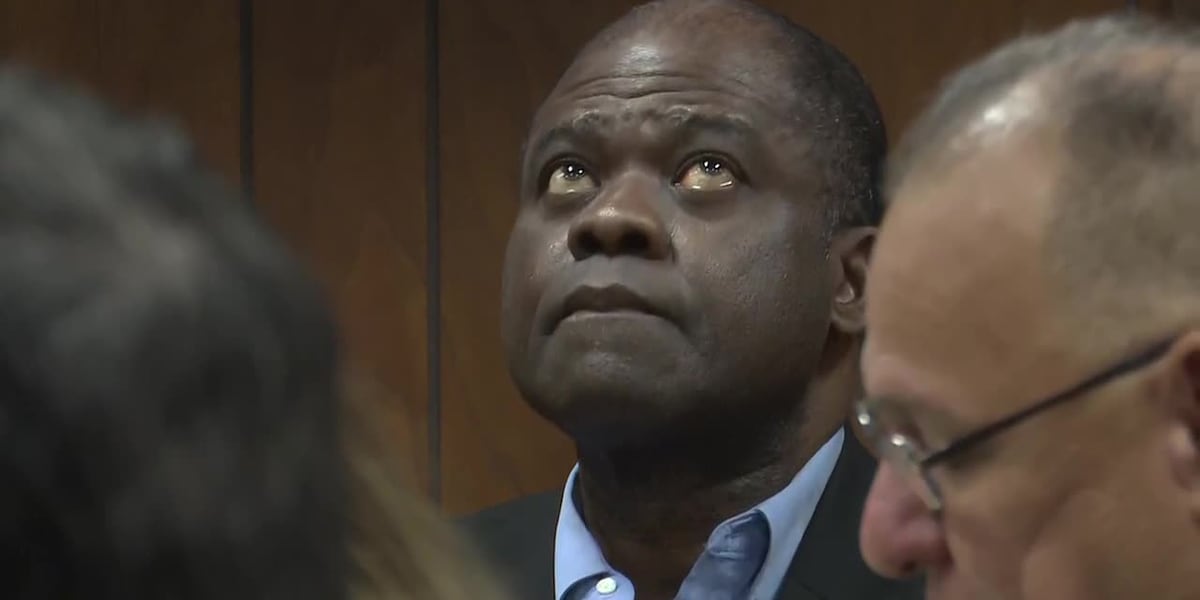
The trial, held in Waco, Texas, involved allegations that Odiong had engaged in sexual relationships with at least nine women across multiple states. A 19th State District Court jury convicted him on one first-degree felony count and two second-degree felony counts, with the first charge carrying a potential life sentence. Assistant District Attorney Liz Buice, who prosecuted the case alongside First Assistant Ryan Calvert, argued that Odiong had exploited his spiritual authority to prey on vulnerable parishioners. Buice compared his actions to a “pedophile working as a kindergarten teacher,” emphasizing the power imbalance inherent in his role. The prosecution also presented evidence that Odiong had fathered a child with one of his accusers, a detail confirmed by KXXV. Odiong, who had been in jail for 662 days under a $5.5 million bond, faces sentencing in the coming days.

The Broader Context of Clergy Sexual Abuse
The case underscores the ongoing challenges of addressing clergy sexual abuse within the Catholic Church. Odiong’s conviction follows a wave of similar cases, including the 2023 suspension of a Baton Rouge priest over misconduct allegations and the 2024 removal of another cleric in New Orleans. The Diocese of Baton Rouge, which had previously removed a priest for misconduct, has faced scrutiny for its handling of abuse claims. The Guardian noted that Odiong’s case highlights the difficulty of reconciling a cleric’s spiritual role with the legal consequences of his actions. Survivors have called for greater transparency, with one accuser describing the chapel’s name removal as a “necessary step toward justice.”
What Comes Next?
Odiong’s sentencing, scheduled for Monday, will determine his fate, with prosecutors seeking the maximum penalty. The case has also reignited debates about the Catholic Church’s accountability for abuse. While the archdiocese has taken steps to address misconduct, advocates argue that systemic reforms are needed to prevent future abuses. The removal of Odiong’s name from the chapel symbolizes a broader reckoning, but survivors emphasize that legal consequences alone cannot undo the harm caused. As the Church faces increasing pressure to confront its past, the story of Anthony Odiong serves as a stark reminder of the intersection between power, faith, and accountability. KWTX reported that the trial’s outcome has sparked discussions about the need for stricter oversight of clergy conduct.
“After the trial, one of the survivors said, ‘This is not just about Anthony Odiong.
