Israeli Prime Minister Benjamin Netanyahu and President Donald J. Trump are navigating a period of sharp diplomatic friction, with the Israeli leader dismissing reports of a heated phone call as typical of familial disagreements. Meanwhile, Israeli and Lebanese officials are scheduled for direct talks in Washington this Wednesday to address ongoing ceasefire violations.
Netanyahu Addresses Tensions with the White House
The diplomatic relationship between Washington and Jerusalem appears to be under significant strain, characterized by unusually candid language from the highest levels of government. During a recent interview with CNBC, Israeli Prime Minister Benjamin Netanyahu addressed reports that President Donald J. Trump had referred to him as “f***ing crazy” during a telephone conversation earlier in the week. Netanyahu characterized the outburst as a standard feature of a close, albeit complex, alliance.

“Sometimes, as in the best of families, we have these tactical disagreements. We always find a way to work them out. We can disagree in the morning, and we have a common action by the afternoon.”

President Trump confirmed the tense nature of the exchange in a separate appearance on a New York Post podcast. The president admitted he had become “a little bit perturbed” by the trajectory of Israel’s military campaign against Hezbollah in Lebanon. According to the president, this conflict has complicated U.S.-led diplomatic efforts aimed at curbing Iran’s nuclear ambitions. Despite the rhetoric, Netanyahu maintained that the core of the U.S.-Israel partnership remains intact.
“My relationship with Trump is the same. He respects me, and I respect him. We always find a way to work out our differences.”
The tension has permeated the bureaucratic channels of both governments, as aides scramble to reconcile the public posturing with operational requirements. Sources familiar with the administration’s internal deliberations indicate that the White House has expressed growing frustration over the perceived lack of coordination regarding tactical strikes in southern Lebanon. These internal concerns have reportedly been communicated through backchannels to the Israeli Ministry of Defense, though neither office has issued a formal statement confirming the specific nature of these private warnings.
Strategic Divergence on Iran and Hezbollah
The disagreement centers on the perceived best approach to regional security. While the Israeli leadership remains skeptical of the current diplomatic pace, Netanyahu noted that President Trump maintains a belief that he can “solve the enrichment problem” regarding Iran’s nuclear program “with diplomatic pressure and tough negotiations.” Netanyahu stated that the president should be “given a chance” to pursue this path.
However, the Israeli government remains uncompromising regarding the threat posed by Hezbollah in southern Lebanon. Netanyahu framed the disarmament of the group as a non-negotiable objective for regional stability, suggesting that this is an area of alignment with the current U.S. administration.
“If we want to save Lebanon, if we want to get a Lebanese-Israeli peace — as I do — we have to disarm Hezbollah and we have to demilitarize Lebanon. This is a goal Trump and I share.”
The Prime Minister emphasized the human cost of the conflict, pointing to the parallels he draws between the threats facing Israel and the broader regional instability.
“You can’t have these genocidal terrorists taking over this poor country of Lebanon, using it to try to invade Israel — the way that Hamas invaded us, murder our civilians, kill our men, rape our women. No country would accept that.”
In Tel Aviv, military analysts have noted that the divergence in strategy is not merely rhetorical. While Washington has pushed for a strictly enforced buffer zone supervised by multinational observers, the Israeli security cabinet has insisted on maintaining the right to conduct “surgical operations” within Lebanese territory should intelligence indicate a resurgence of Hezbollah militants. This specific policy disagreement has become a primary point of contention for the delegations currently preparing for the Washington summit.
Ongoing Diplomatic Efforts in Washington
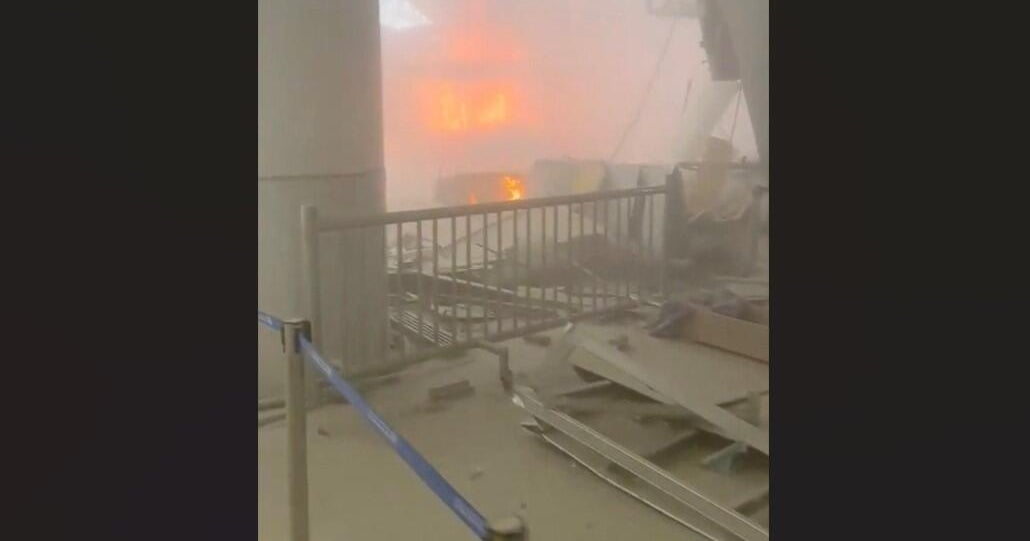
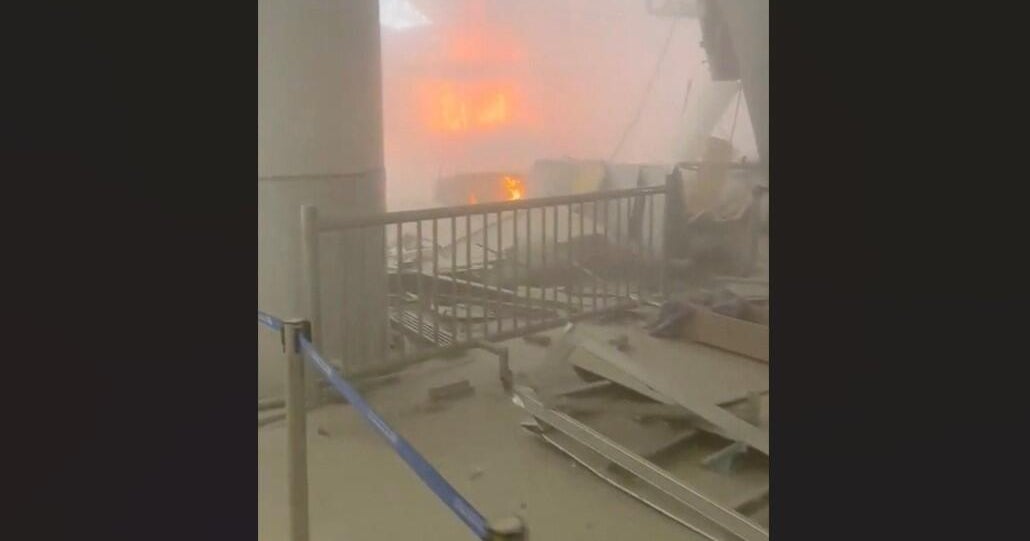
Despite the high-level friction and reports of regional instability—including recent activity involving a deadly attack on a Kuwait airport as reported by CBS News—the diplomatic process continues. Israeli and Lebanese officials are meeting in Washington this Wednesday.
The objective of these direct talks is to bolster a U.S.-brokered ceasefire that was established weeks ago. The efficacy of this agreement remains in doubt, as both Israel and Hezbollah have accused one another of daily violations since the ceasefire was first announced by President Trump. As the conflict persists, the ability of both nations to move from “tactical disagreements” to a unified regional strategy remains the primary test for the current administration’s foreign policy, as highlighted by the coverage from the Associated Press. The outcome of these Washington meetings will likely determine whether the existing ceasefire can be salvaged or if the region faces a further descent into broader conflict.
The logistics for the Washington meetings involve high-level representatives from the U.S. Department of State, who are mediating the sessions to ensure that the Lebanese delegation, which includes senior political figures, remains engaged in the process. Observers in Washington suggest that the presence of these officials indicates a tentative willingness to adhere to the terms of the original ceasefire, provided that security guarantees are formalized. However, the lack of a formal breakthrough in preliminary discussions has led to a cautious atmosphere. The U.S. delegation, led by special envoys appointed by the White House, has reportedly signaled that failure to reach a consensus on enforcement mechanisms for the ceasefire could result in a shift in U.S. posture toward both regional actors.
Public safety concerns have also risen in the wake of the airport incident, prompting increased security measures around diplomatic facilities in the U.S. capital. While the White House has not altered its official travel advisories for the region, the administration has emphasized the necessity of these talks to prevent a wider escalation that could draw in further regional powers. Both the Israeli and Lebanese delegations are expected to provide status reports to their respective capitals upon the conclusion of the Wednesday sessions, which will serve as a bellwether for the future of the ceasefire agreement.
