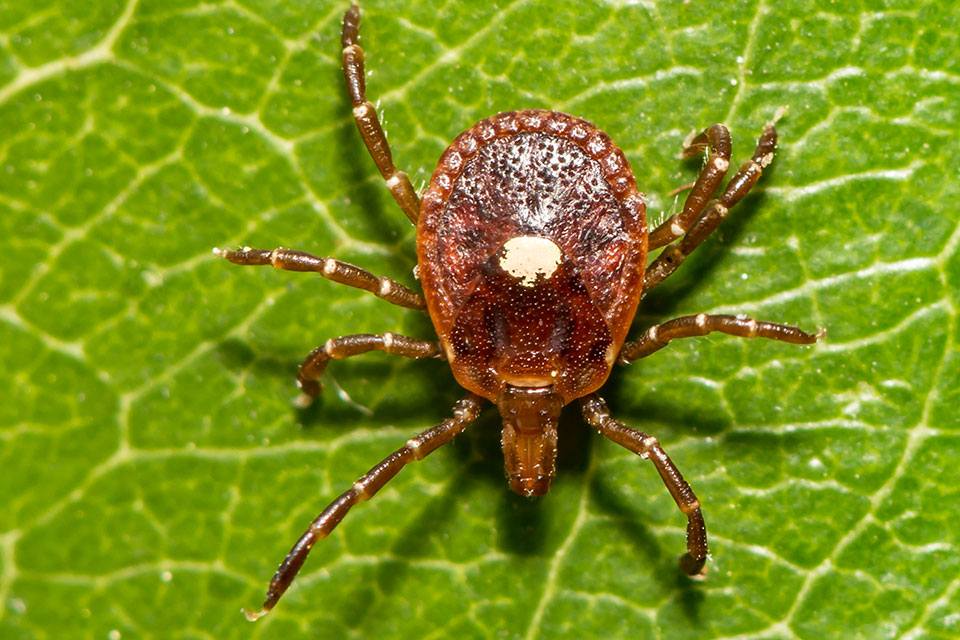
As tick-borne illnesses surge across the U.S. this summer—with Connecticut seeing record-high infection rates in blacklegged ticks and Midwest ER visits for bites rising 137% since April—experts say prevention hinges on three proven tactics: permethrin-treated clothing, EPA-approved repellents, and immediate removal of attached ticks. “There’s nothing out there that will prevent ticks 100 percent,” warns Dr. Sam Telford of Tufts University, but reducing risk requires targeting ticks at every stage of their life cycle, from nymphs to adults.
Why This Summer’s Tick Threat Is Worse Than Usual
Climate change and a 2025 “mast year” of acorn production—providing excess food for deer and rodents—have created ideal conditions for ticks in Connecticut, where the state’s tick testing program received over 3,500 submissions by June 11, a record surpassing 2025’s previous high, according to Dr. Goudarz Molaei, director of Connecticut’s tick testing program. The infection rate for Lyme disease in blacklegged ticks now stands at over 40%, up from the usual 32%, while babesiosis and anaplasmosis rates have also climbed. “It is quite a jump from previous years,” Molaei said, noting that ticks are carrying multiple pathogens simultaneously—a trend not seen at this scale before.

Meanwhile, Midwest emergency rooms are seeing 332 tick-bite visits per 100,000 people in 2026, on track to exceed the 628 visits recorded in 2025, per CDC data cited by the Lawrence Journal-World. Kansas, where ehrlichiosis remains the most common tick-borne illness, has seen cases fluctuate sharply since 2020, with numbers ranging from 111 to 156 annually—a far cry from the 311 cases reported in 2019. Experts attribute the recent rise to milder winters and fragmented forests, which reduce natural tick predators.
The Three Science-Backed Ways to Stop Ticks Before They Bite
Permethrin-treated clothing is the gold standard for tick prevention, according to The Boston Globe, which reports that treating socks, shoes, and pants with the insecticide can kill nymphal ticks—early-stage ticks that live near the ground. “Those ticks are never going to see your shoes,” says Stephen Rich, director of the Laboratory of Medical Zoology at the University of Massachusetts, emphasizing that permethrin works by contact. Pre-treated clothing or sprays are widely available, but experts stress that socks and shoes are critical targets, as nymphs often attach there first.

For skin protection, DEET and picaridin remain the most effective repellents, approved by the EPA and proven to deter ticks when applied directly. “Most of the natural compounds people want to use—like things that smell nice—have little effect in either killing or repelling ticks,” Rich warns, dismissing essential oils and mineral oil as ineffective. The CDC and Kansas Department of Health and Environment both recommend DEET, picaridin, IR3535, or oil of lemon eucalyptus for outdoor use, with the caveat that repellents must be reapplied frequently—typically every few hours or after sweating.
What to Do If You Find a Tick—And How to Remove It Safely
Ticks must feed for at least 24 hours to transmit Lyme disease or other pathogens, giving people a critical window to act. “Just because you get bitten by a tick, doesn’t mean that what’s in that tick goes into you,” says Thomas Mather, director of the University of Rhode Island’s Center for Vector-Borne Diseases. “Feeding time is very important.” The CDC and KDHE both advise using fine-tipped tweezers to grasp the tick as close to the skin as possible, then pulling upward with steady, even pressure. Avoid twisting or crushing the tick, as this can increase the risk of infection. After removal, clean the bite area with rubbing alcohol or soap and water, then dispose of the tick by flushing it, placing it in alcohol, or sealing it between tape.
Dr. Ulysses Wu, chief virologist with Hartford HealthCare, recommends a two-step approach for high-risk areas: first, treat clothing with permethrin, then apply DEET or picaridin to exposed skin. “That’ll kill the ticks within an hour,” he says, adding that the combination is “highly effective” when used together. For those who spend time in wooded or grassy areas, Wu suggests wearing light-colored clothing to spot ticks before they attach, as well as tucking pants into socks and shirts into pants to block entry points.
Why This Year’s Spike Matters—and What Comes Next
The surge in tick populations and infections this year isn’t just a regional issue—it reflects a broader trend linked to climate change. Warmer winters and shifting ecosystems are expanding the range of blacklegged ticks (the primary carriers of Lyme disease) and lone star ticks (which transmit ehrlichiosis and alpha-gal syndrome) into areas previously considered low-risk. In Connecticut alone, the state’s tick testing program is processing 150 submissions daily, a pace that shows no signs of slowing. “The climate and the bumper crop created ideal conditions for ticks this year,” Molaei explains, noting that the fall’s acorn surplus led to higher rodent survival rates, which in turn boosted tick populations.

Looking ahead, public health officials warn that prevention will be key. The CDC’s Alison Hinckley, a Lyme disease expert, emphasizes that “these simple steps can go a long way in protecting you and your family from diseases spread by ticks.” However, the rising infection rates suggest that even basic precautions aren’t being followed widely enough. With tick populations likely to remain high through the summer, experts anticipate continued pressure on emergency rooms and increased cases of tick-borne illnesses unless behavior changes.
For now, the message is clear: ticks are more active, more numerous, and more dangerous than in past years. The tools to fight them—permethrin, DEET, and prompt removal—are well-established, but compliance remains the biggest hurdle. As Dr. Telford puts it: “You want ticks to go on the outside of you.” The challenge is making sure they stay there.
Consult your healthcare provider if you develop a rash, fever, or other symptoms after a tick bite.
Find more reporting in our Health section.
