
Erectile dysfunction (ED) is increasingly recognized by clinicians as a critical early warning sign for systemic vascular and metabolic disease, often appearing three to five years before a cardiac event. While often dismissed as a relationship issue, health experts now emphasize that ED serves as a physiological barometer for overall arterial health.
The Vascular Connection: Why ED Precedes Cardiac Events
The medical community is reframing erectile dysfunction not merely as a sexual health concern, but as a primary indicator of cardiovascular risk. Because the penile arteries are smaller than those supplying the heart, they often show signs of damage from systemic vascular disease years earlier than larger vessels. This phenomenon is known clinically as the “arterial size hypothesis.” The theory posits that because the penile arteries have a smaller diameter than the coronary arteries, atherosclerotic plaque buildup or endothelial dysfunction—the inability of blood vessels to dilate properly—manifests in the penile vasculature first.
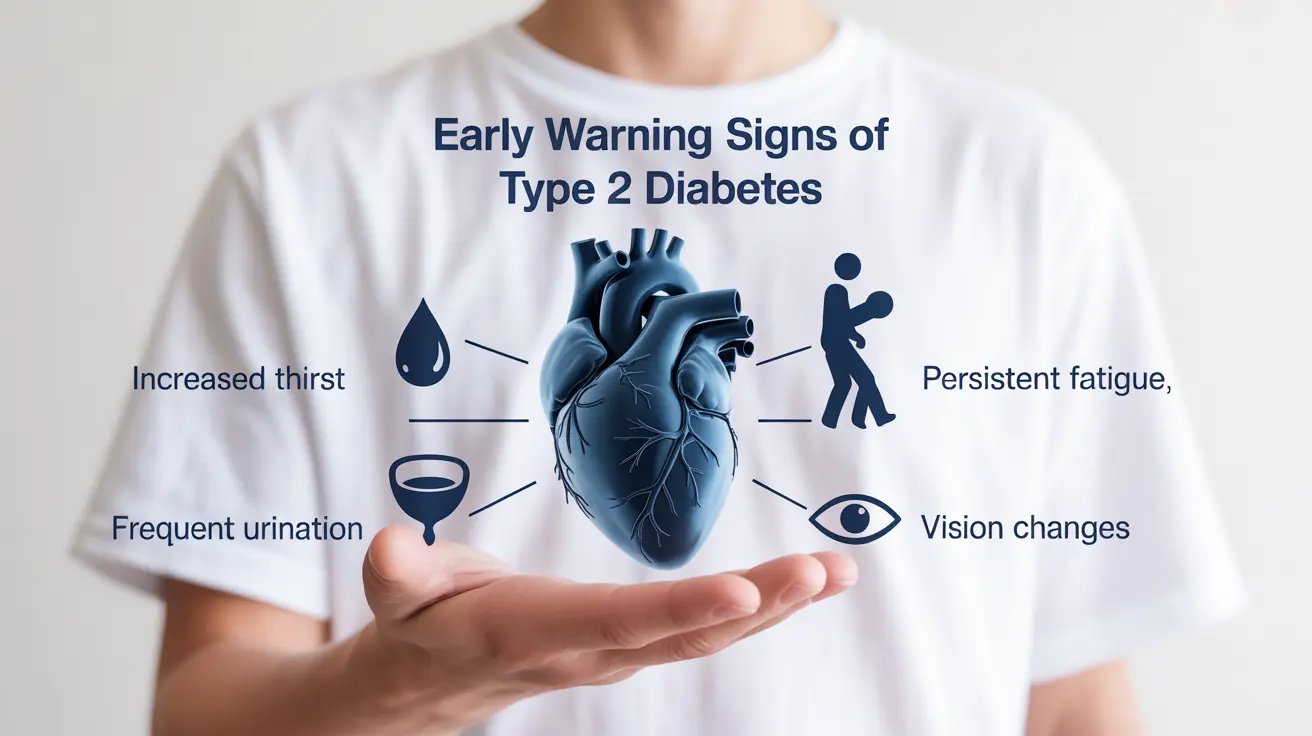

“ED is what I call a canary in the coal mine for systemic vascular and metabolic disease,” said Dr. Justin Houman, an assistant professor of Urology at Cedars-Sinai Medical Center. According to reporting in the New York Post, men experiencing ED have a 44% higher risk of developing heart disease compared to those who do not. The condition is fundamentally a vascular event, requiring healthy arterial blood flow and compliant blood vessels to function. When the endothelium—the thin membrane lining the inside of the heart and blood vessels—becomes dysfunctional, it fails to produce adequate nitric oxide, a molecule essential for relaxing blood vessels and maintaining blood flow.
In a clinical setting, physicians often look for these markers as part of a broader cardiovascular screening. This process typically involves assessing a patient’s lipid profile, blood pressure, and blood glucose levels. Because ED shares the same risk factors as coronary artery disease—such as smoking, obesity, and sedentary behavior—it serves as a clinical trigger for a more thorough investigation into a patient’s heart health.
Rising Rates of Pelvic Floor Dysfunction in Younger Men
Beyond vascular health, a growing number of young men are seeking treatment for pelvic floor disorders, a condition historically associated with women after childbirth or older men following prostate surgery. As The National Law Review reports, these symptoms—which include pelvic pain, urinary urgency, and erectile dysfunction—are becoming increasingly common among athletes and active adults.
“Many young men are surprised to learn that symptoms such as frequent urination, pelvic pain, erectile dysfunction, or pain during exercise may have a musculoskeletal component,” said Dr. Philippe Schafer, a physical therapist specializing in men’s pelvic health. Clinicians note that high-performance sports like cycling, running, and weightlifting place significant demands on the pelvic floor, hips, and spine. When these muscles are hypertonic—meaning they are chronically tight or in a state of spasm—they can compress nerves and restrict blood flow to the pelvic region, mimicking or exacerbating erectile dysfunction.
The pelvic floor is a complex network of muscles that supports the bladder, bowel, and sexual organs. When this system is overloaded, it can lead to chronic pelvic pain syndrome (CPPS). Unlike vascular ED, which is often systemic, pelvic floor dysfunction is mechanical. Practitioners often employ physical therapy techniques, such as trigger point release and diaphragmatic breathing exercises, to down-regulate the nervous system and relax the pelvic floor musculature.
Diagnostic Challenges and Behavioral Factors
Disentangling the root cause of erectile dysfunction often requires a complex clinical evaluation. While vascular or metabolic issues like diabetes or hypertension are easier to diagnose, behavioral and psychological factors—including the over-usage of pornography, smoking, and alcohol consumption—can complicate the treatment path.
“If the man has diabetes or cardiovascular disease, that is usually easier to link and treat,” the BBC reports. “However, if there are lifestyle factors, such as drinking and smoking, mixed with psychological or behavioural aspects, like over-usage of porn – it may be more difficult to address. Often these men may not want to divulge their activities.”
Furthermore, many patients present to specialists only after undergoing repeated imaging, taking various medications, or completing multiple courses of antibiotics for suspected prostatitis. Dr. Schafer notes that these patients are often misdiagnosed because providers fail to evaluate the pelvic floor, hips, spine, and breathing mechanics as an integrated system. The reliance on pharmaceutical interventions, such as phosphodiesterase type 5 (PDE5) inhibitors, can sometimes mask the underlying problem without addressing the root cause, whether it be vascular, neurological, or musculoskeletal.
The Window of Opportunity for Intervention
Medical experts emphasize that the presence of ED provides a unique, time-sensitive window for medical intervention. By addressing the underlying vascular or musculoskeletal issues early, men may prevent more severe systemic conditions. The current standard of care involves a multi-disciplinary approach, often requiring coordination between primary care physicians, cardiologists, urologists, and specialized physical therapists.

“That’s why we say ED precedes cardiac events by an average of three to five years. It’s a window of opportunity, not just an inconvenience,” Dr. Houman explained. Whether a patient is in a relationship or sexually active is considered irrelevant to the clinical diagnosis; the symptom itself acts as a “check engine light” for the body’s vascular health. As of June 2026, healthcare providers are increasingly advising that any persistent erectile issues, regardless of age, warrant a comprehensive health checkup to rule out underlying metabolic or cardiovascular risks.
For those experiencing these symptoms, the most effective next step is to consult a qualified healthcare professional, such as a primary care physician or a urologist, to undergo a formal evaluation. This may include blood panels to check for diabetes or high cholesterol, an assessment of cardiovascular health, and a physical examination to rule out musculoskeletal issues. It is important to approach these conversations with transparency, as accurate diagnosis depends on a full disclosure of lifestyle, medical history, and specific symptoms. This content is for informational purposes only and does not constitute medical advice, diagnosis, or treatment.
Find more reporting in our Health section.
