
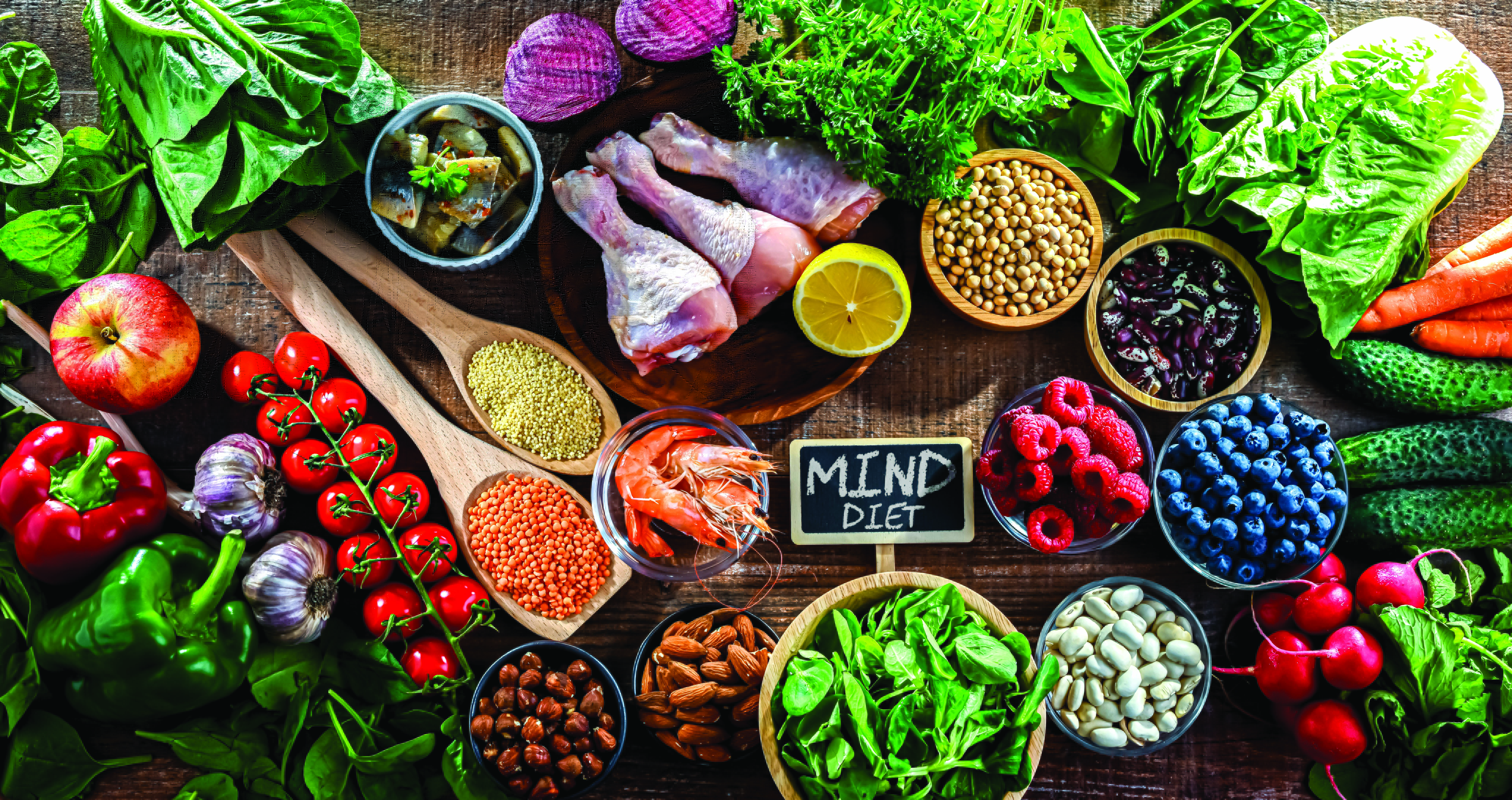
The MIND diet, a nutritional framework designed to slow cognitive decline, emphasizes the consumption of leafy greens, berries, and fatty fish to support brain health. Developed in 2015, the diet combines elements of Mediterranean and DASH eating patterns to reduce dementia risk and improve brain function, according to researchers from Rush University Medical Center and Harvard T.H. Chan School of Public Health.
The Science Behind the MIND Diet
The MIND diet—an acronym for Mediterranean-DASH Intervention for Neurodegenerative Delay—is often described as a hybrid of two heart-healthy protocols. As noted by Liz Weinandy, a registered dietitian at the Ohio State University, the diet is “like if the Mediterranean and DASH diets had a baby.” The approach targets neurodegeneration by limiting saturated fats and prioritizing nutrient-dense foods, including nuts, beans, whole grains, and olive oil.

The clinical motivation for this dietary pattern is the reduction of inflammation and oxidative stress, which are primary drivers of cognitive aging. Lauren Ptomey, an associate professor at the University of Kansas Medical Center, explains that the diet provides essential omega-3 and omega-6 fatty acids. “Those are going to be some of the key things we’re looking for,” she stated, highlighting their role in long-term neurological protection.
Why Leafy Greens Are the Primary Recommendation
Among all brain-healthy foods, dark leafy greens consistently rank as the top recommendation from medical experts. Dr. Jordan Weiss, an assistant professor at NYU Grossman School of Medicine, notes that while the advice may seem simple, the data supports it: “My answer is boring, and I‘ll stand by it anyway: leafy greens.” According to HuffPost, researchers following 960 older adults in the Rush Memory and Aging Project found that those who ate at least one serving of greens daily performed as if their brains were 11 years younger than those who rarely consumed them.
For more on this story, see Plant-Based Diets Linked to Lower Alzheimer’s Risk.
These vegetables are rich in folate, vitamin K, lutein, and dietary nitrates. Jennifer Ventrelle, an assistant professor at RUSH University, emphasizes that when selecting these greens, “the darker the better.” She identifies kale, spinach, and arugula as superior options compared to lighter lettuces like iceberg, as they provide a higher concentration of the nutrients necessary to support a healthy gut microbiome and reduce cognitive decline.
Neuroprotective Benefits of Berries and Fatty Fish
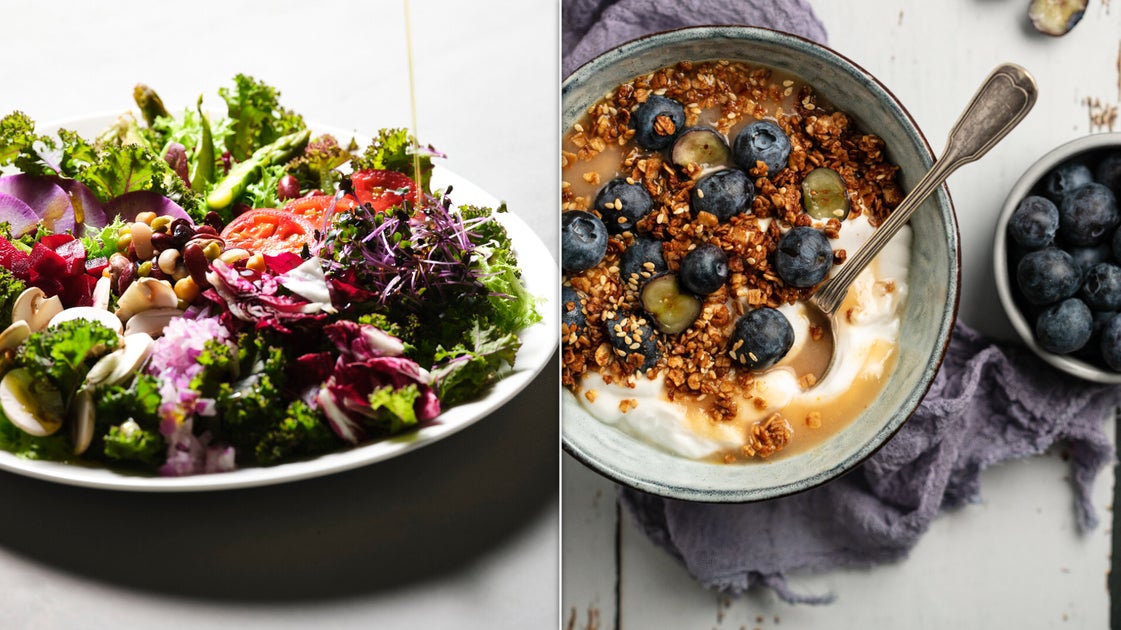
Beyond greens, berries and fatty fish serve as critical components for maintaining memory and cognitive plasticity. Berries—specifically blueberries, strawberries, and blackberries—are highlighted in the Nevada Appeal for their high anthocyanin content. These antioxidants have been shown to improve signaling between brain cells, effectively helping the brain reorganize its structure throughout life.
For those prioritizing protein, fatty fish remains a gold standard. Eleni Nicolaou, a clinical psychologist specializing in neurocognitive conditions, argues that the evidence for fatty fish is more specific and consistent than that of other “superfoods.” She recommends salmon, mackerel, or sardines as the primary choices for dementia prevention. These fish provide the essential fats required for structural brain integrity, a finding supported by the broader research on the gut-brain axis.
Professional Guidance and Upcoming Educational Resources
Translating these dietary patterns into daily habits remains a challenge for many caregivers and patients. To assist with this transition, professionals are increasingly turning to evidence-informed guidance. Texas A&M AgriLife Extension Service is hosting a webinar on June 25, 2026, titled “Dietary Approaches to Support Brain Health in Aging.” The session aims to help providers address common questions regarding supplements and realistic behavior-change strategies for families managing Alzheimer’s disease and related dementias.
This follows our earlier report, Vitamin D Deficiency Doubles Dementia Risk in Older Adults, Neurologist Warns.
As the scientific consensus shifts toward preventative nutrition, the focus remains on consistency rather than perfection. Experts emphasize that sustainable changes—such as adding a handful of spinach to a smoothie or incorporating two servings of berries into a weekly meal plan—are more effective for long-term brain health than restrictive, temporary diets. Individuals are encouraged to consult their healthcare provider before making significant changes to their nutritional regimen to ensure these dietary adjustments align with their specific medical needs.
Find more reporting in our Health section.
