
Rockstar Games has confirmed that the physical release of Grand Theft Auto VI will include only a digital code, not a disc, sparking debate over the future of physical media in gaming. Two retailers, Video Games Plus and Loot Box Gaming, have refused to sell the title, citing their commitment to physical game ownership. The decision, announced ahead of the game’s November 19 release, marks a significant shift in how publishers approach physical game distribution.
Retailer Reactions: A Fracture in the Industry
Video Games Plus (VGP) and Loot Box Gaming (LBG) have both stated they will not carry the physical version of GTA VI, which contains only a digital code. VGP’s policy explicitly prohibits selling products that “contain only a digital download code,” a stance the retailer said aligns with its 40-year commitment to physical media. “If a product can’t honor the people who pay their hard-earned money to purchase it, then we have no business trying to sell it to our customers,” LBG stated in a press release.

The move highlights a growing divide between publishers and retailers over the value of physical game copies. While major chains like GameStop and Amazon are expected to stock the game, smaller, niche retailers are pushing back against what they see as a degradation of physical ownership. “There will be no way to get that game cheaper than MSRP barring a sale,” games writer Imran Khan noted, emphasizing the loss of a secondhand market.
Industry Trends: The Digital Shift Accelerates
The decision by Rockstar Games reflects broader industry trends toward digital distribution. In 2025, physical game sales reached $1.5 billion, a fraction of the total market, according to Circana analyst Mat Piscatella. Sony reported that 85% of its PlayStation games were sold digitally in May 2026, while Capcom’s digital sales hit 93% in its last fiscal year. “Going forward, given increased digital adoption and push for higher margins, more publishers will conclude they only need the former,” said Niko Partners’ Daniel Ahmad, citing cost-saving measures for large-scale titles like GTA VI.
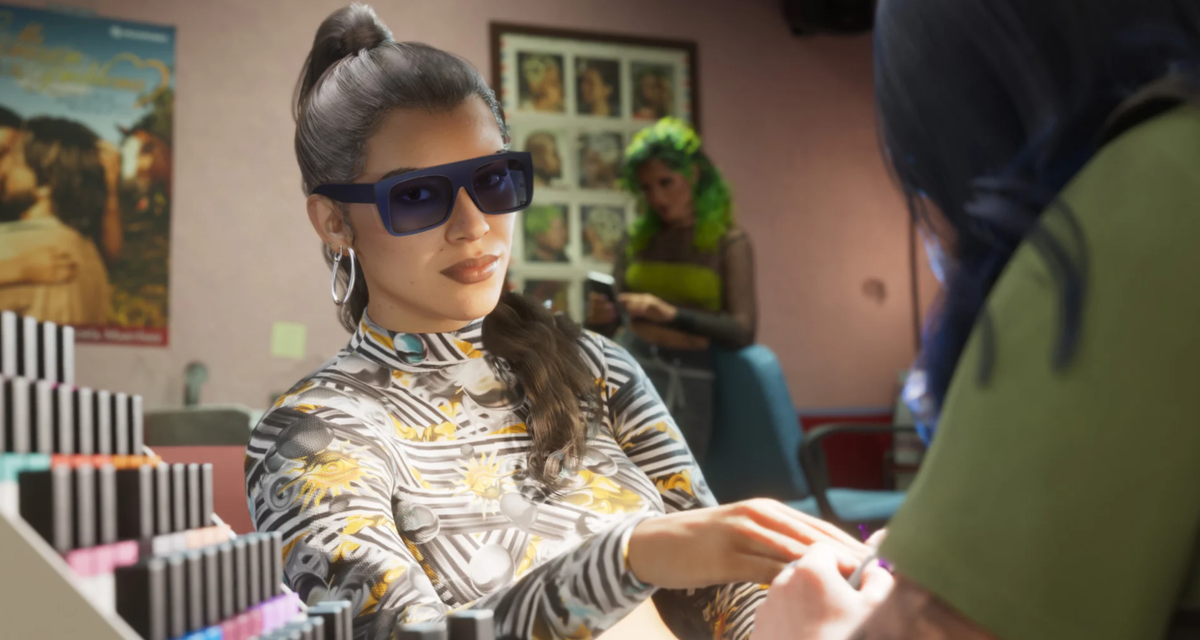
Rockstar’s choice may also be driven by practical concerns. The game’s massive file size, potentially requiring multiple discs, could make physical distribution logistically challenging. “Doubly so for a game like Grand Theft Auto V that may need to ship on multiple discs,” Ahmad added. The digital-only approach also aligns with efforts to prevent leaks, as a digital code ensures uniform release timing across all platforms.
Consumer Backlash and Preservation Concerns
Consumers and critics have raised concerns about the long-term implications of disc-free physical games. Without a physical copy, games become dependent on digital storefronts, which can remove titles due to licensing issues or closures. “You can’t sell or trade digital games you’ve purchased, and while there are ways to share digital games, they require some work,” wrote The Verge, noting the loss of tangible ownership.
Preservationists argue that physical media offers a more durable archive. “Without physical versions, you also can’t find a used version of a game at a garage sale or a local game shop,” the outlet added. This concern is compounded by the rise of disc-free consoles like the PlayStation 5 and Xbox Series X, which lack built-in disc drives, further eroding the demand for physical copies.
What Comes Next for Physical Media?
The controversy surrounding GTA VI underscores a pivotal moment for physical game sales. While some retailers and consumers remain steadfast in their support for physical copies, the industry’s trajectory appears to favor digital distribution. “For nearly 40 years, VGP has been committed to supporting physical media and preserving the value of physical game ownership,” the retailer stated, but its stance may not be enough to reverse the trend.

Analysts suggest that the shift could accelerate in the coming years. With digital sales expected to grow, publishers may increasingly prioritize cost efficiency over physical production. However, niche markets and collectors may continue to demand physical copies, creating a fragmented landscape. As Rockstar’s decision sets a precedent, the gaming industry faces a critical question: Can physical media survive in an era dominated by digital convenience?
<a href="https://www.theverge.
Find more reporting in our Technology section.
