
“The Yellowstone Volcano Observatory confirmed a hydrothermal explosion occurred near Biscuit Basin on June 13, 2026, creating a 21-foot-wide crater and altering the Firehole River’s appearance, according to the USGS and Cowboy State Daily.”
Explosion Details and Immediate Aftermath
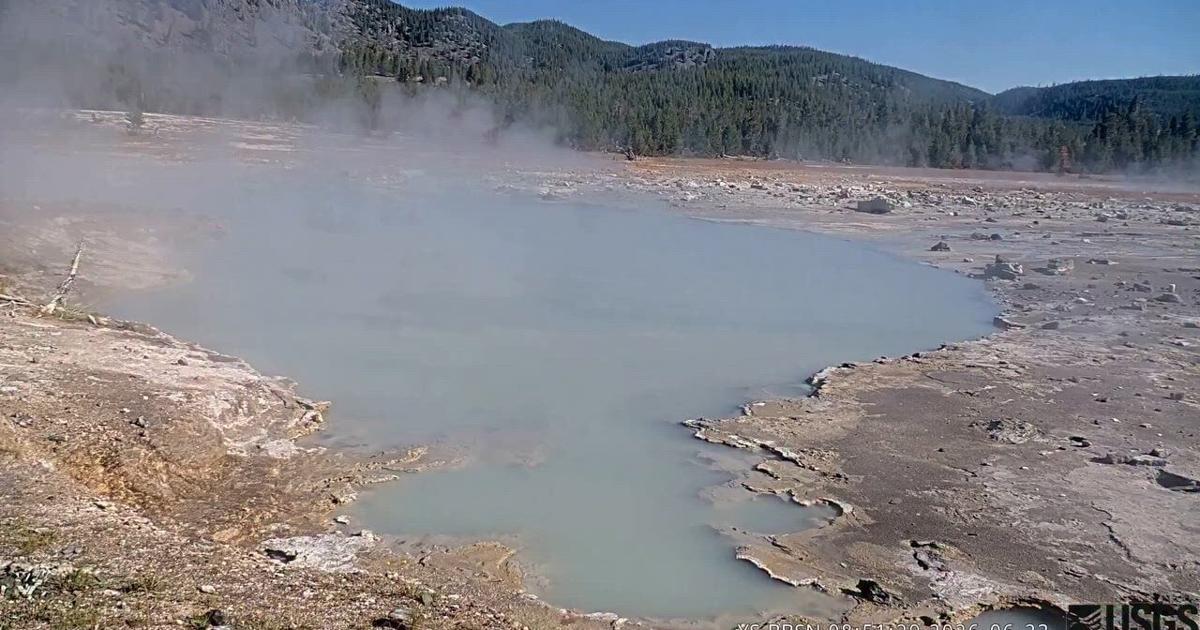
A hydrothermal explosion near Yellowstone National Park’s Biscuit Basin on June 13, 2026, produced a 21-foot-wide crater filled with boiling water, a 60-foot-long fissure, and water spouting 30 feet into the air, according to Cowboy State Daily. The event, captured by cameras monitoring Black Diamond Pool, occurred 100 feet from a site that erupted in July 2024. Geologists observed near-boiling water draining into the Firehole River, causing it to turn milky-white for miles downstream, as documented by the USGS.
Geologist’s Assessment and Historical Context
Mike Poland, scientist in charge of the Yellowstone Volcano Observatory, described the June 13 event as “relatively small” but noted its significance in Biscuit Basin, which has a history of explosive thermal activity. “That’s pretty standard for Biscuit Basin,” he said, citing its high-temperature water. However, the explosion’s impact on Black Diamond Pool was minimal, with Poland stating, “Black Diamond doesn’t seem to have been affected by this event in a major way.” This contrasts with the July 2024 blast at Black Diamond, which led to the basin’s closure.
Unpredictable Nature of Hydrothermal Activity
Hydrothermal explosions occur when water rapidly converts to steam, creating explosive pressure. Poland explained, “It’s a pressure-cooker situation,” as steam expansion can exceed 1,000 times the volume of liquid, rupturing confined spaces. The June 13 event occurred in an area without prior thermal features, making its occurrence “unexpected,” according to Cowboy State Daily. While the crater has shown geyser-like behavior, Poland emphasized the uncertainty: “It’s completely unknown at this point” whether the new features will persist.
Public Reaction and Monitoring Efforts
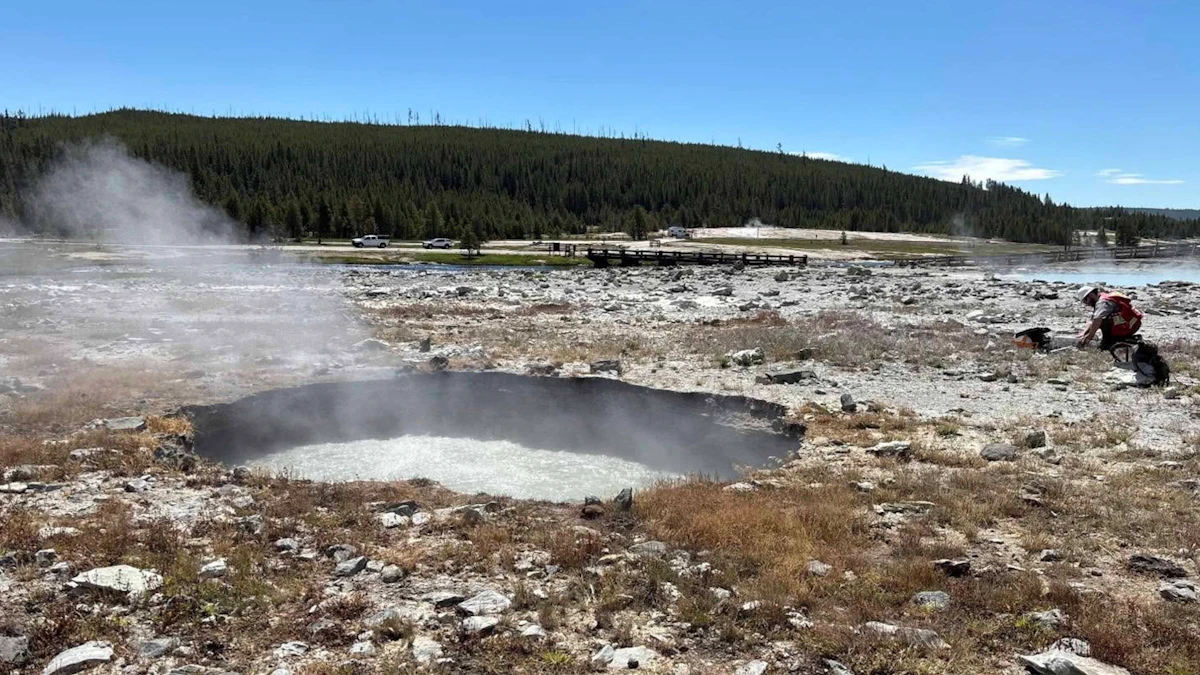
The U.S. Geological Survey (USGS) and the Yellowstone Volcano Observatory have intensified monitoring since the 2024 Black Diamond eruption. Despite the June 13 event’s relative scale, Poland noted its potential to advance understanding of hydrothermal systems. “One of the problems with studying these explosions is that you really don’t know where they’re going to occur,” he said. Meanwhile, the Firehole River’s milky appearance, caused by suspended sediment, remains a visible testament to the event’s impact.
What Comes Next for Biscuit Basin?
While the June 13 explosion was minor compared to Yellowstone’s typical activity, its long-term effects remain unclear. The newly formed crater has exhibited spouting behavior, raising questions about its evolution. “Maybe this new pool will end up being a geyser-like feature,” Poland speculated. Authorities have not announced new closures, but the basin’s ongoing activity underscores the park’s dynamic geology. As geologists continue to analyze data, the event serves as a reminder of the unpredictable forces shaping Yellowstone’s thermal landscape.
“According to the USGS, the Firehole River’s milky-white discoloration resulted from sediment carried by draining vents.”
“Mike Poland of the Yellowstone Volcano Observatory described the June 13 event as ‘relatively small’ but noted its significance in Biscuit Basin.”
“Cowboy State Daily reported that the explosion’s spouting water reached 30 feet, with geologists observing near-boiling temperatures in newly formed vents.”
“Fairfield Sun Times noted a subsequent eruption from the feature on June 18, marking its first observed activity since the June 13 blast.”
Find more reporting in our Technology section.
