Single Singaporeans Drive Demand for New Housing
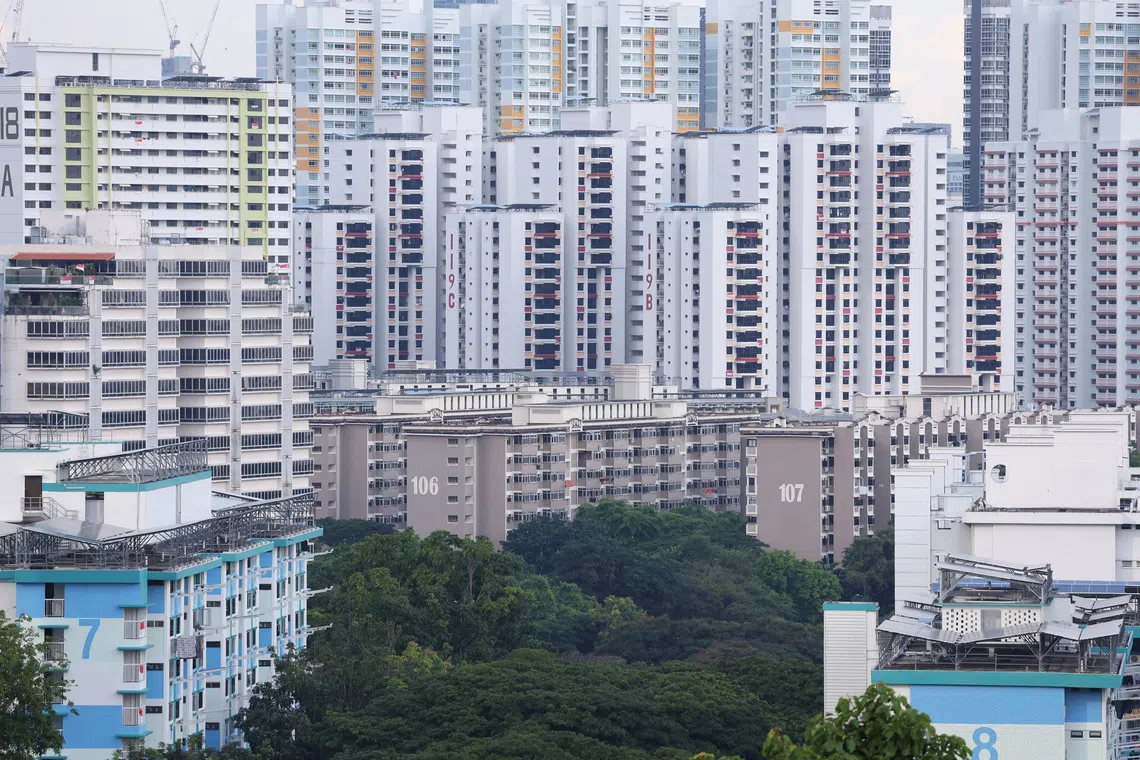
SINGAPORE – A new survey by the Housing & Development Board (HDB) reveals that the majority of single Singaporeans aged 21 to 54 aspiring to move out of their current residences strongly prefer purchasing a home over renting or cohabiting. This preference is particularly pronounced for new public or private housing units, driven by affordability considerations and a desire for modern living spaces. This marks the first time the HDB Sample Household Survey, conducted every five years and encompassing approximately 7,000 households and over 1,600 single occupiers in 2023 and 2024, has focused on the housing aspirations of unmarried individuals.
The survey highlighted that 80.3% of single respondents, predominantly aged 35 and below and living with parents or immediate family in four-room or larger owner-occupied flats, do not plan to marry. Within this group, 66.2% expressed a desire to move out. Of those intending to relocate, a significant 72.3% favored homeownership. Nearly half (46.5%) of these individuals specifically sought new public or private units, citing cost-effectiveness and a preference for contemporary designs, while another 25.8% opted for resale properties. This trend underscores a shifting demographic landscape and evolving housing needs in Singapore, demanding responsive policy adjustments.
Policy Response and Market Impact
In response to these findings and evolving societal structures, HDB has begun implementing policy enhancements to support the homeownership aspirations and family caregiving needs of singles. Since October 2024, eligible first-time single applicants aged 35 and older can apply for new two-room flexi flats across all Standard, Plus, and Prime projects. This expands upon the previous policy, which limited singles to two-room flexi flats in non-mature estates. Further strengthening family ties, July 2025 saw the introduction of the new Family Care Scheme, granting priority access within existing quotas to first-timer singles purchasing new two-room flexi flats near or with their parents. A second phase of this scheme, enacted in October 2025, allows applicants, including singles, priority for jointly applying for two units within the same Build-To-Order (BTO) project alongside their parents.
The demand for these units remains robust. Across the three BTO sales exercises in 2025, the application rate for two-room flexi flats by singles consistently demonstrated oversubscription, with between five and eight applicants competing for each unit. National Development Minister Chee Hong Tat stated in August that the minimum age of 35 for singles purchasing flats is under review, with potential adjustments contingent on the available housing supply to meet predicted increased demand. The International Monetary Fund (IMF) has noted generally that economies with sound policy frameworks are better equipped to handle demographic shifts and evolving consumer demands without risking de-anchoring inflation expectations or larger output losses if monetary tightening is delayed, especially in the face of persistent price pressures [imf.org].
Sociological Perspective and Economic Implications
Sociologist Tan Ern Ser, an adjunct principal research fellow at the Institute of Policy Studies, commented that the survey results reflect a potent desire among singles for personal independence. He suggested that moving out could also be a strategy to avoid potential societal stigmas associated with adults living with their parents. Dr. Tan further posited that independent living, particularly in close proximity, can paradoxically strengthen parent-child relationships by mitigating tensions arising from generational differences in values and daily practices that often occur under one roof. This sociological insight highlights a qualitative aspect of housing demand beyond mere economic utility.
From an economic standpoint, the concentrated demand for new, affordable housing by a growing segment of the population signals both a challenge and an opportunity. For developers and construction firms, this demographic trend guarantees a steady pipeline of projects, particularly in the two-room flexi flat category. However, policymakers must meticulously manage supply to prevent housing bubbles and ensure sustained affordability, a critical factor for social stability and economic equity. The increase in two-room flexi BTO flats, with up to 14,000 units launched from 2024 to 2026—a more than 50% increase from 2021 to 2023—demonstrates the HDB’s commitment to addressing this growing demand. In 2024 and 2025 alone, over 11,000 such units were rolled out. The ongoing policy reviews will continue to focus on addressing the nuanced needs of Singaporeans, including both married couples and singles, ensuring a balanced and sustainable housing market. This aligns with broader global trends where countries are increasingly using industrial policy to reshape their economies, including supporting strategic sectors like housing to boost productivity and enhance resilience [imf.org].
Read more on Globally Pulse Business for continuous coverage of housing markets and policy developments affecting global economies.
