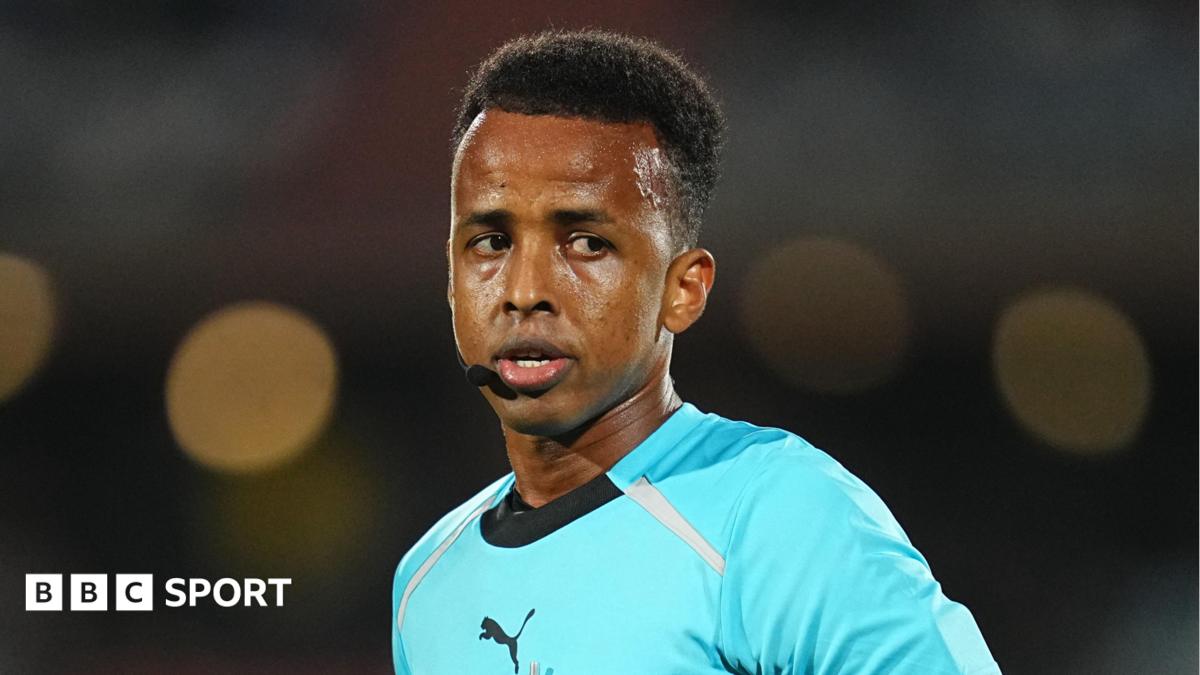
Omar Artan, a Somali referee set to make history as the first from his country to officiate at a FIFA World Cup, was denied entry to the United States on June 8, 2026, over “vetting concerns,” according to U.S. Customs and Border Protection AP News. The decision, which came hours before the tournament’s opening on June 11, has sparked international criticism and raised questions about the impact of U.S. immigration policies on global sporting events BBC.
The Referee’s Journey and Denial
Artan, Africa’s 2025 best male referee, was scheduled to join 52 other officials at a Miami training base ahead of the World Cup, which is co-hosted by the U.S., Canada, and Mexico. His exclusion came after he was detained for 11 hours at Miami International Airport, where border officials questioned him about Somali politics and the al-Shabab militant group, according to AP News. Despite presenting FIFA documentation and career photos, he was placed in a holding cell and deported to Istanbul. “I think that they have a problem with my country,” Artan told The New York Times, though he emphasized he had the correct visa and documents.

FIFA confirmed it has no role in immigration decisions, stating host countries “ultimately determine who receives a visa.” A Somali sports ministry adviser, Isse Aden Abshir, suggested the denial was linked to broader travel restrictions on Somalia rather than personal allegations against Artan AP News. The Somalia Youth and Sports Ministry is working to resolve the issue, but Artan’s absence means he cannot referee matches in the U.S., Canada, or Mexico, as all officials must stay at the Miami base BBC.
Travel Restrictions and Political Context
The incident highlights tensions surrounding the Trump administration’s strict immigration policies, which have subjected nearly 40 countries—including Somalia—to new travel restrictions. Andrew Giuliani, executive director of the White House FIFA Task Force, defended the decision, stating it was made for “very good reason” but declined to elaborate AP News. Critics argue the policies risk disrupting global events, with FIFA’s refereeing chief, Pierluigi Collina, emphasizing that officials must adhere to host country rules.
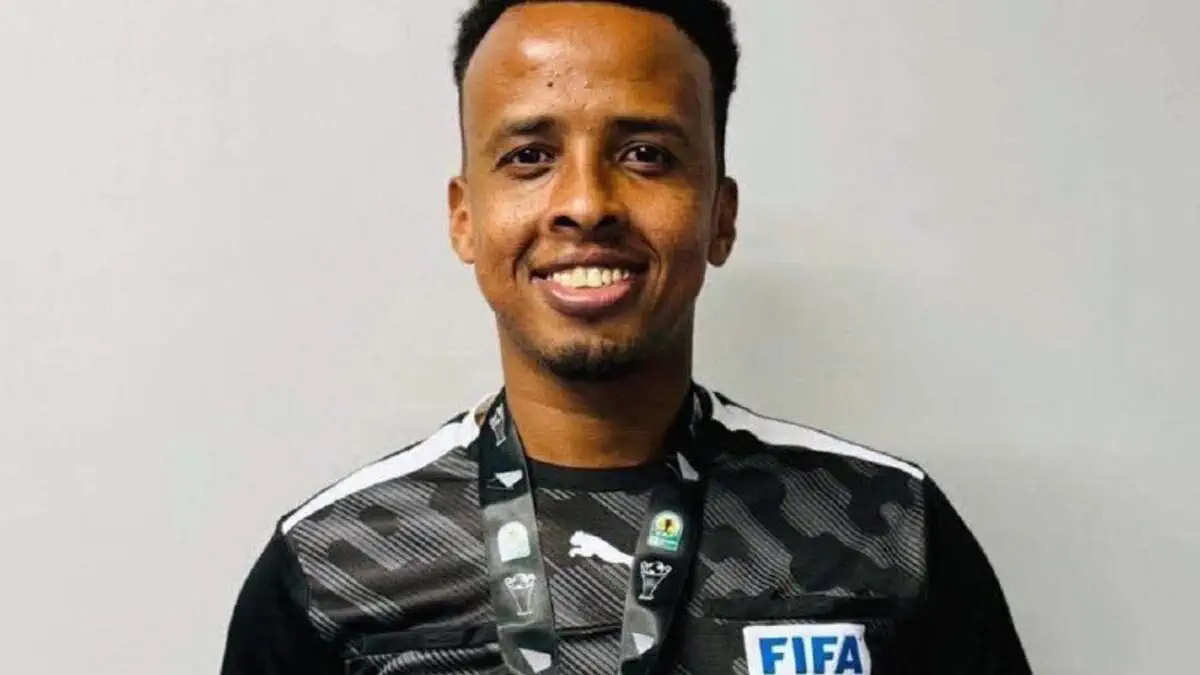
Artan’s case has drawn comparisons to the 2022 Qatar World Cup, where travel restrictions and visa delays also caused controversies. Former England striker Ian Wright called the 2026 tournament a “World Cup of chaos,” citing repeated reports of fans, players, and officials being denied entry BBC. “Is this how the hosts behave for the greatest game in the world?” Wright asked, questioning the event’s organization.
Reactions and Broader Implications
FIFA and the Confederation of African Football (CAF) expressed support for Artan, with the latter thanking him for his contributions to African refereeing. Artan, in a statement to Reuters, vowed to “keep my refereeing levels up” and expressed hope to return to future tournaments BBC. However, the Somali Football Federation has sought urgent clarification from FIFA, citing the “unprecedented” nature of the decision.
The incident has also reignited debates about the intersection of sports and politics. Somali officials argue the denial reflects broader biases against African nations, while U.S. authorities maintain that security concerns take precedence. “This is a World Cup of chaos,” echoed a BBC journalist, referencing the string of logistical and diplomatic challenges that have plagued the event since its announcement.
What Comes Next?
With the World Cup underway, the focus now shifts to how FIFA and host nations will address similar disputes. The Somali Football Federation has stated it will continue lobbying for Artan’s inclusion, but the U.S. government has not indicated any plans to overturn the decision. Meanwhile, the incident underscores the fragility of international sporting events in the face of geopolitical tensions.
For Artan, the setback is a personal blow but not an end. “I want to thank the football family for their messages,” he said, vowing to “join them again in future competitions.” Whether that happens may depend on how the broader soccer community pushes back against policies that prioritize security over sportsmanship.
“Every few hours, it’s another story about fans denied, player denied, officials denied, journalists denied, now refs,” Wright said. “This is a World Cup of chaos.”
