AirPods Max Condensation Lawsuit Largely Dismissed by NY Judge
A federal judge has dismissed the majority of a class-action lawsuit alleging a condensation defect in Apple's AirPods Max, though some warranty claims survive.
- Headline Dispatch: AirPods Max Condensation Lawsuit Largely Dismissed by NY Judge
- Core Takeaway: A federal judge has dismissed the majority of a class-action lawsuit alleging a condensation defect in Apple's AirPods Max, though some warranty claims survive.
- Source Synthesis: Continuous live monitoring aggregated across major news wires and independent bureaus.
AirPods Max Condensation Lawsuit Largely Dismissed by NY Judge
A federal judge in Brooklyn has dismissed the majority of claims in a proposed class-action lawsuit alleging that Apple's AirPods Max suffer from a condensation defect. Judge Orelia E. Merchant of the Eastern District of New York ruled that the $549 headphones fulfill their basic purpose, even if they fail to meet a buyer's specific expectations.
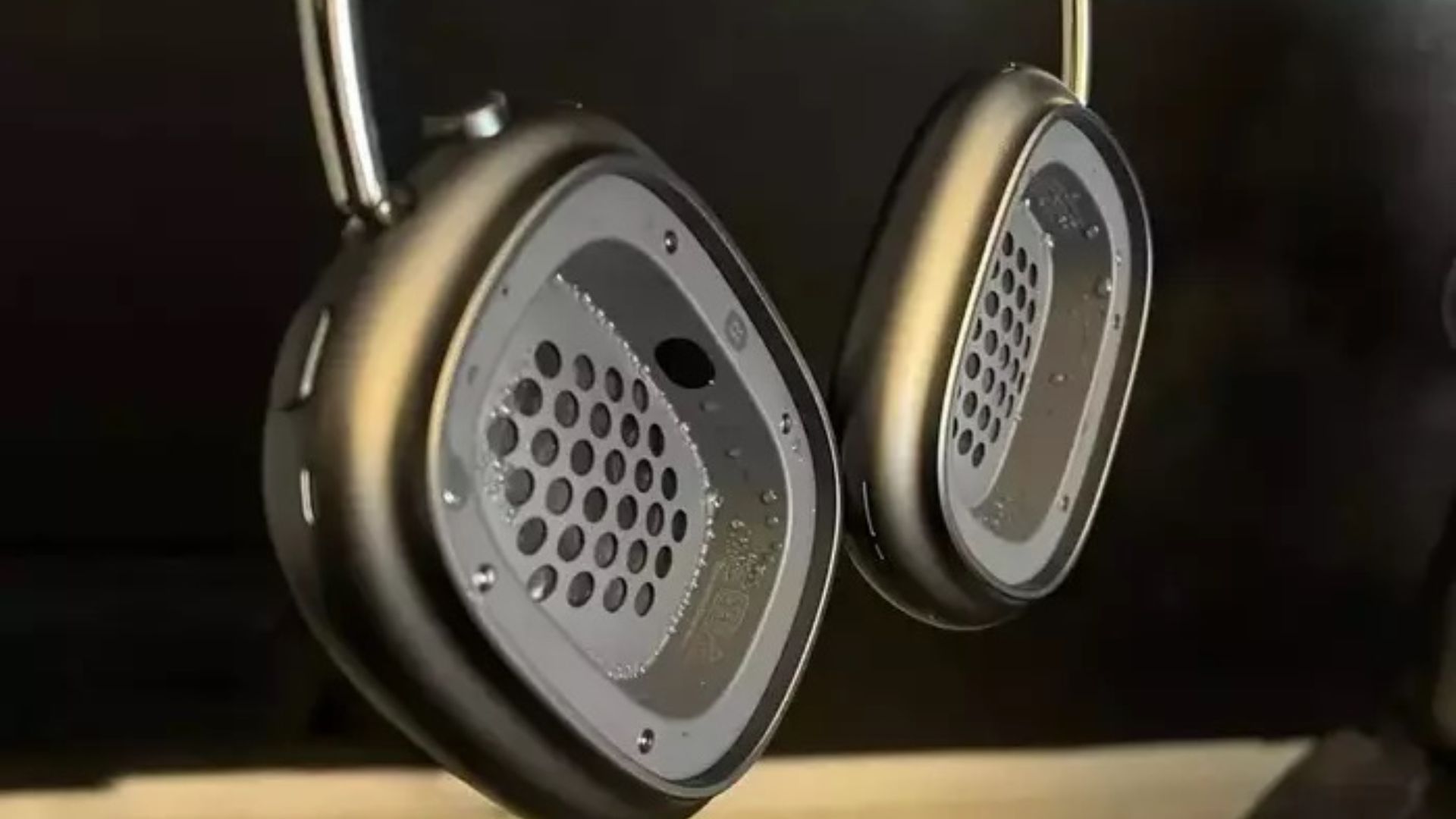
The lawsuit was filed in April 2025 by two plaintiffs, Arthur Apicella of New York and Dustin Amundson of Washington. The pair alleged that condensation builds up inside the aluminum ear cups during normal indoor use. They argued that the aluminum design acts as a poor insulator, trapping body heat and creating moisture that damages internal electronics.
According to the filing, the plaintiffs claimed this moisture resulted in several functionality failures, including:
- Degraded or lost sound quality.
- Breakdowns of active noise cancellation (ANC) and ear-detection sensors.
- Interference with charging and a failure to maintain the advertised 20-hour battery life.
- Connectivity pauses and frequent failures to connect to wireless networks.
The plaintiffs asserted that they were unable to enjoy exhilarating high-fidelity audio
or the [s]patial audio with dynamic head tracking
promised by Apple. Both men claimed Apple was aware of the problem as early as 2018 but did not disclose it to consumers.
Judge Merchant dismissed every claim brought under New York law with prejudice, meaning they cannot be refiled. In her decision, the judge noted that New York's implied warranty of merchantability requires only a minimal level of quality
rather than perfection. The judge specifically pointed out that Arthur Apicella had successfully used his headphones to watch a movie, which indicated the product still performed its basic function.
Apicella has been removed from the case entirely. His dismissed claims included allegations that Apple violated New York consumer-protection statutes, breached the implied warranty of merchantability, concealed the defect, and was unjustly enriched.
However, the litigation will continue through Dustin Amundson. While the judge dismissed his claims regarding unjust enrichment and express warranty, she allowed him to proceed with two claims: one under the federal Magnuson-Moss Warranty Act and another under Washington state law's implied warranty of merchantability.
The condensation issue has been reported by owners since the AirPods Max launched on December 15, 2020. Users reported moisture forming where body heat meets the cool aluminum, sometimes appearing after only 15 minutes of use. By 2023, some users referred to the phenomenon as condensation death
after reports that liquid accumulation caused some units to stop working entirely. Apple's AirPods Max 2, released in March this year, utilizes the same ear cup design and has also seen reports of condensation.
Apple has never conceded that the headphones have an inherent defect. In a previous California case filed in February 2021—which was dismissed after lead plaintiffs settled individual claims—Apple argued that moisture is simply more noticeable on the AirPods Max because the ear cups are magnetic and removable. The company also cited its own guidance stating the headphones aren't waterproof or water resistant
.
Despite user complaints, evidence of a widespread defect remains contested. There have been no waves of water-damaged units flooding the repair market, and Apple has no official repair programs in place for the issue. Some analysis suggests the phenomenon is inherent to over-ear headphones in general rather than being device-specific.
The case now moves forward with Amundson's surviving warranty claims. Amundson has until August 5 to seek permission to revive fraud and consumer-protection claims under Washington law. Apple is required to file its opposition to any amended complaints by September 4, 2026.
How significant is this development?
Participate in our community survey on the trajectory and real-world impact of this news.