Ultrasound treatment shows potential to prevent post-traumatic arthritis
Researchers are exploring how ultrasound therapy can modulate immune cell behavior to shift the body's response from inflammation toward tissue repair. This study aims to mitigate the risk of post-traumatic osteoarthritis using a non-invasive approach.
- Headline Dispatch: Ultrasound treatment shows potential to prevent post-traumatic arthritis
- Core Takeaway: Researchers are exploring how ultrasound therapy can modulate immune cell behavior to shift the body's response from inflammation toward tissue repair. This study aims to mitigate the risk of post-traumatic osteoarthritis using a non-invasive approach.
- Source Synthesis: Continuous live monitoring aggregated across major news wires and independent bureaus.
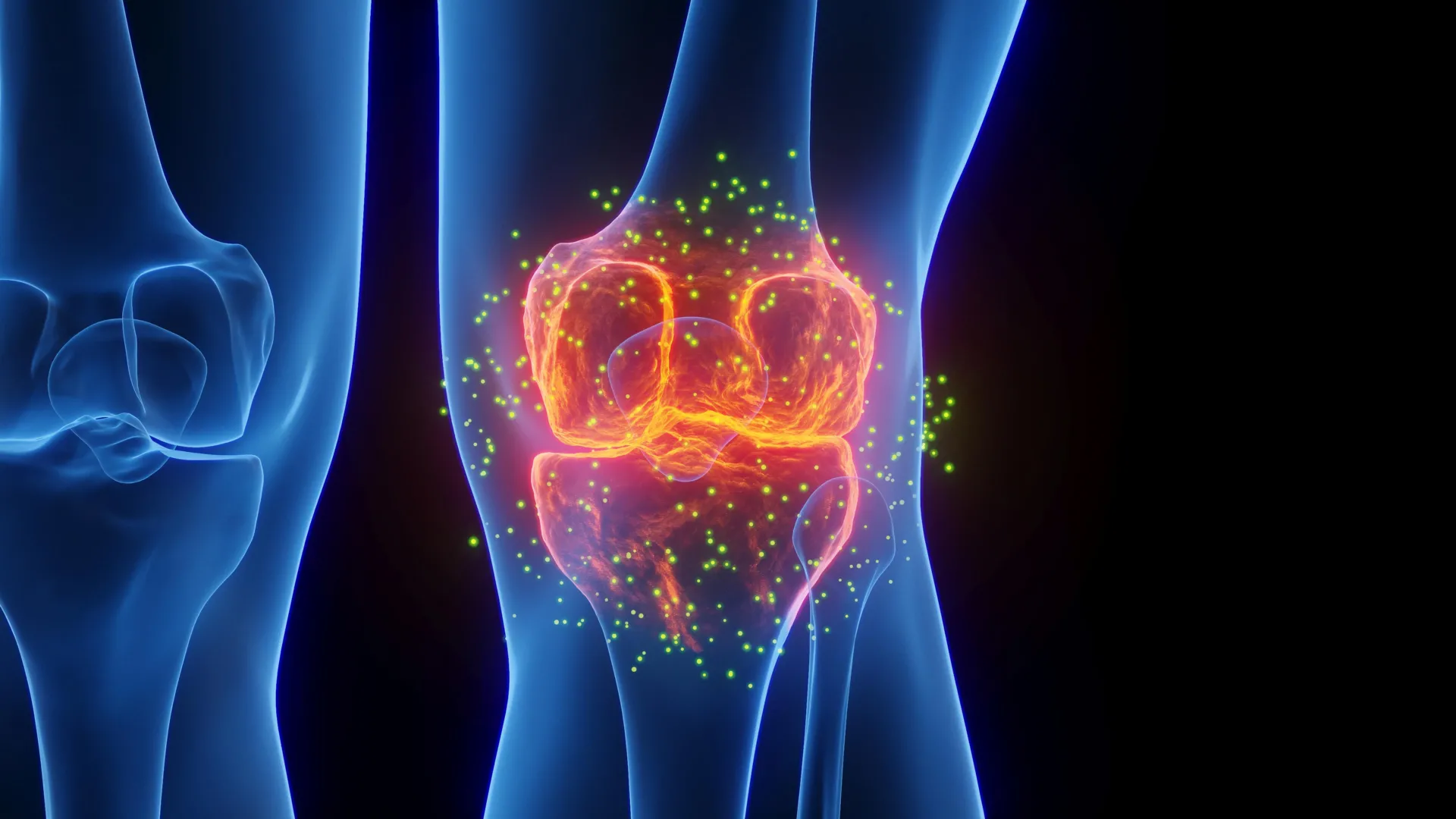
Researchers at The University of Alabama in Huntsville have identified a potential non-invasive strategy to mitigate the risk of post-traumatic osteoarthritis by using continuous low-intensity ultrasound. Findings published on 14 May 2026 in the journal Scientific Reports indicate that this approach may influence the behavior of immune cells, potentially shifting the body’s response from persistent inflammation toward tissue repair.
Addressing the Post-Injury Inflammatory Cycle
Joint injuries often initiate a biological chain reaction that continues long after the initial physical trauma has subsided. In many cases, the immune system remains in an active state of defense, preventing the transition from inflammation to healing. This sustained inflammatory environment can lead to the degradation of cartilage and the development of post-traumatic osteoarthritis. Researchers, led by Dr. Anuradha Subramanian of the Department of Chemical and Materials Engineering, investigated whether continuous low-intensity ultrasound could modulate the activity of macrophages — specialized immune cells that orchestrate both the inflammatory response and subsequent tissue recovery.
Macrophages exist in different functional states. Following injury, the body typically recruits "defender" macrophages, known as M1, to clear damaged tissue. Ideally, this is followed by a transition to "healer" macrophages, or M2, which support repair. Persistent dominance of defender macrophages can create a prolonged inflammatory environment that contributes to post-traumatic osteoarthritis,
Subramanian explains. The research team sought to determine if ultrasound could encourage these cells to shift toward an M2-like reparative state, thereby reducing chronic inflammation and promoting a more favorable healing environment within the joint.
Advanced Methodology
To ensure their laboratory model accurately represented the biological conditions of an injured joint, the team — which included Dr. Shahid Khan, Dr. Satyaki Roy, and Owen Trippany, utilized fibronectin fragments. These molecules, naturally generated as tissue breaks down, were used to trigger inflammation in the experiment. To analyze the results, the researchers employed transcriptomics to study gene activity, paired with an advanced computational technique called differential clustering. This method allowed the team to observe how groups of genes coordinate their behavior in response to ultrasound stimulation, rather than analyzing changes in individual genes in isolation. The study indicated that ultrasound stimulation reduced biological markers tied to inflammation while simultaneously increasing those associated with tissue repair.
Clinical Context and Future Directions
While the study remains in the laboratory stage, the potential for non-pharmacological interventions in joint health is a subject of ongoing clinical interest. Previous research has explored the use of sustained acoustic medicine, a wearable, prescription-use device, to manage pain and function in patients with knee osteoarthritis. Clinical trials involving such devices have demonstrated significant reductions in pain intensity and improvements in functional scores compared to placebo groups over six-week periods.
The researchers at The University of Alabama in Huntsville acknowledge that the transition from laboratory findings to clinical application requires further validation. The next phase of their project involves testing the ultrasound modulation in animal models of early post-traumatic osteoarthritis to observe the long-term effects on tissue repair and joint health.
How significant is this development?
Participate in our community survey on the trajectory and real-world impact of this news.