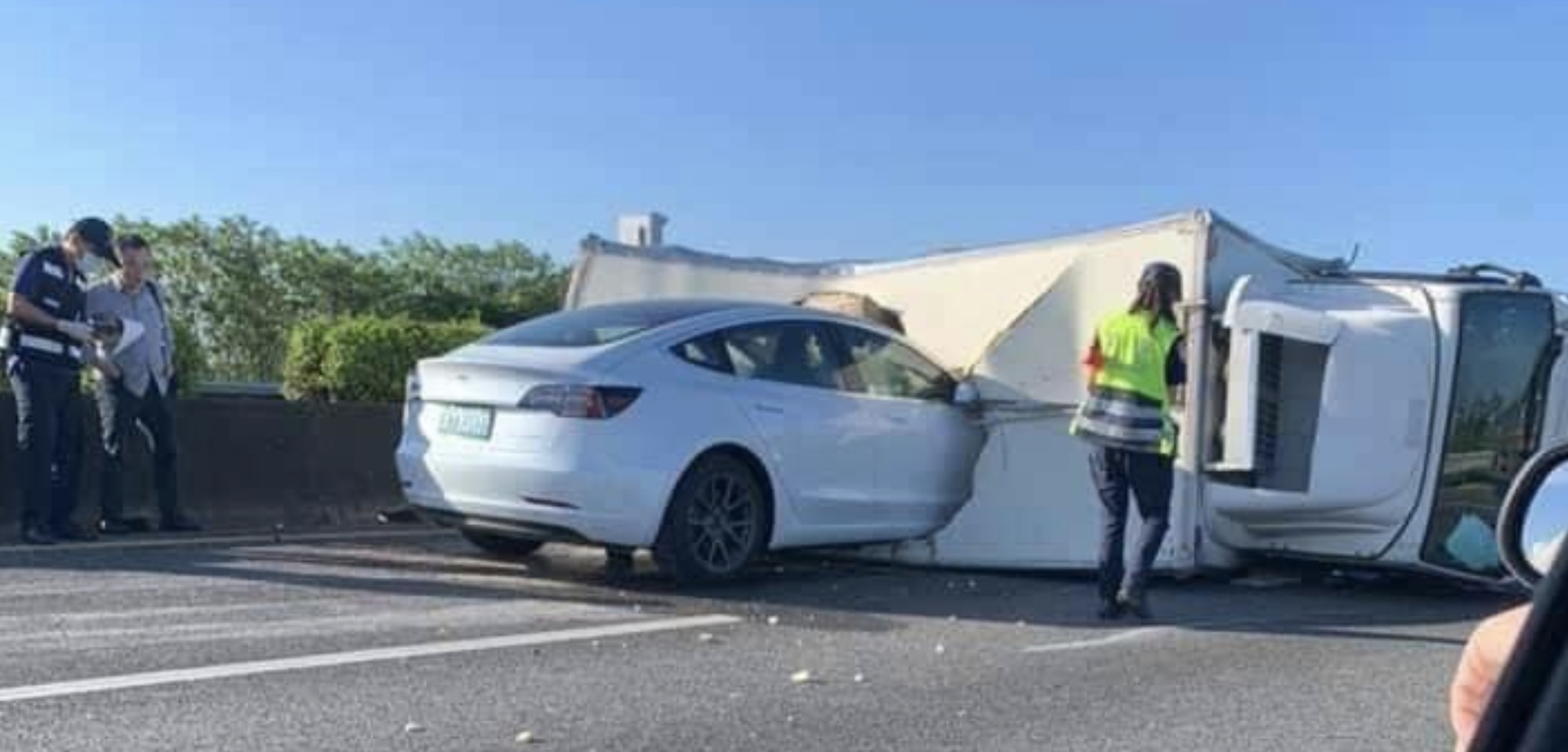
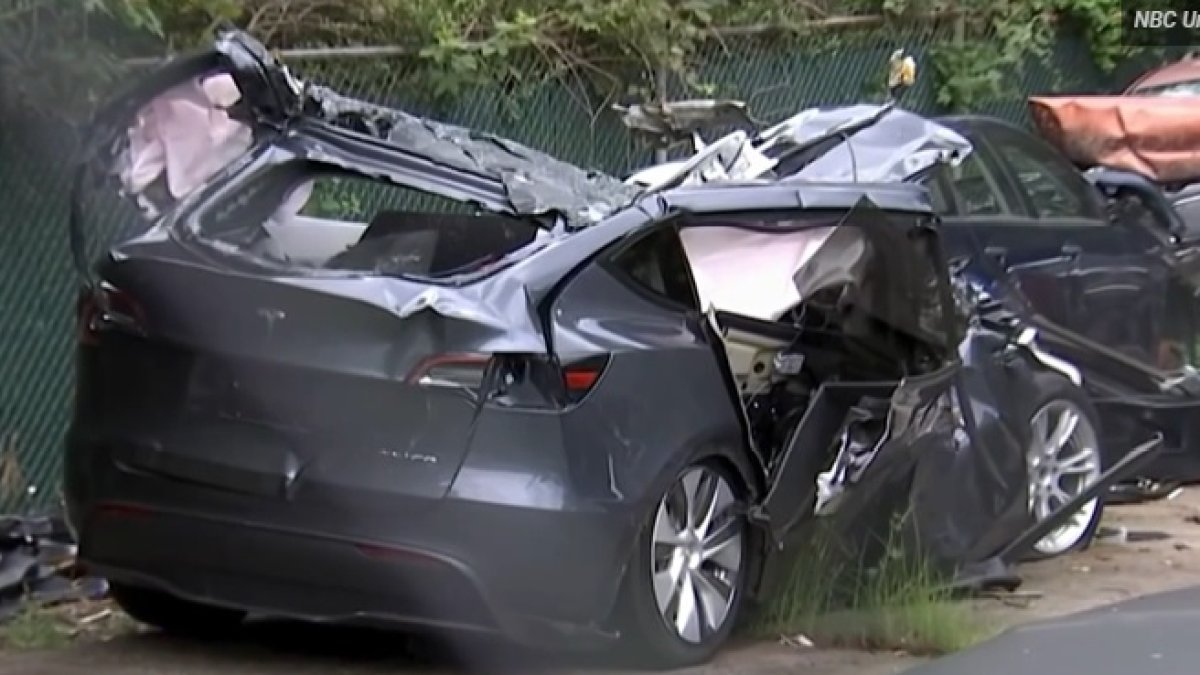
A Tesla Model Y operating in Autopilot mode crashed through a residential home in Katy, Texas, on June 21, 2026, killing a 48-year-old woman and injuring the driver, according to the Harris County Sheriff’s Office. The incident has reignited scrutiny over Tesla’s driver-assistance systems following a series of high-profile crashes linked to Autopilot misbehavior.
The Harris County Sheriff’s Office reported the Tesla was traveling at an estimated 60 mph when it struck a wooden fence surrounding the home before breaching the property. Authorities confirmed Autopilot was active at the time of the crash, with no indication the driver took corrective action before impact.
A preliminary investigation by the Texas Department of Transportation (TxDOT) found no evidence of mechanical failure in the vehicle, suggesting the crash was attributable to system behavior. The driver, identified as a 32-year-old Katy resident, remains hospitalized with non-life-threatening injuries.
This incident marks the third confirmed fatality involving Tesla’s Autopilot system in Texas since January 2026, according to the National Highway Traffic Safety Administration (NHTSA). In February, a similar crash in Dallas killed a 54-year-old passenger when a Tesla Model 3 failed to recognize a stopped school bus. A third case in March involved a Houston-area driver who lost control of a Model S while using Autopilot in heavy rain.
The NHTSA has not yet opened a formal investigation into the Katy crash, but agency officials told reporters the incident “further underscores the need for rigorous testing of advanced driver-assistance systems.” A Tesla spokesperson declined to comment on the specifics of the case but reiterated the company’s stance that Autopilot is a “supplemental” feature requiring driver oversight.
Unlike previous Autopilot-related crashes—where vehicles failed to detect pedestrians, cyclists, or stopped vehicles—the Katy incident involved a high-speed breach of a residential barrier. This raises questions about Tesla’s collision-avoidance algorithms in suburban environments, where homes often feature fences, gates, and other non-standard obstacles.
Industry analysts note that Tesla’s Autopilot relies heavily on camera-based detection, which can struggle with low-contrast structures like wooden fences. A 2025 study by the Insurance Institute for Highway Safety (IIHS) found that Tesla’s collision-avoidance systems performed 12% worse than competitors’ in tests involving non-standard roadside barriers.
What happens next for Tesla and regulators?
The Katy crash follows a June 15 letter from U.S. Senator Richard Blumenthal (D-CT) to Tesla CEO Elon Musk, demanding an explanation for “repeated failures” in Autopilot-related safety. Blumenthal’s office cited internal Tesla documents suggesting the company had internal knowledge of Autopilot’s limitations but downplayed risks in public statements.
Regulatory pressure is mounting. The NHTSA has signaled it may expand its ongoing review of Tesla’s driver-assistance systems, which could lead to stricter labeling requirements or even a recall. Meanwhile, Texas Attorney General Ken Paxton has opened a civil inquiry into whether Tesla misrepresented Autopilot’s capabilities in marketing materials.
Tesla’s Autopilot system has been the subject of intense scrutiny since 2021, when NHTSA opened its first formal investigation into the technology. In contrast, competitors like GM’s Super Cruise and Ford’s BlueCruise have faced fewer high-profile incidents, though both systems have also drawn regulatory attention.
A 2026 report by the Governors Highway Safety Association found that Tesla vehicles accounted for 42% of all Autopilot-related crashes in the U.S. between 2023 and 2025—nearly double the share of its nearest competitor. The disparity has led some safety advocates to call for uniform federal standards for all advanced driver-assistance systems.
While authorities have confirmed the basics of the crash, critical details—such as whether the Tesla’s sensors detected the fence before impact—remain unclear. The Harris County Sheriff’s Office has not released a full accident report, and Tesla has not provided technical data from the vehicle’s event recorder.
Legal experts anticipate potential lawsuits from the victim’s family, though outcomes in Autopilot-related cases have been inconsistent. In a 2025 California case, a jury ruled against Tesla in a wrongful-death claim, citing the company’s alleged failure to warn drivers about Autopilot’s limitations. However, other cases have been settled confidentially, making it difficult to assess broader liability risks.
The Katy crash comes as automakers and regulators grapple with defining the boundaries of autonomous driving technology. The NHTSA’s upcoming rulemaking on “safety assurance cases” for self-driving systems could force Tesla and others to adopt more transparent testing protocols.
Industry observers warn that without clearer guidelines, public trust in advanced driver-assistance systems will continue to erode. “Every fatality is a failure of the system,” said David Zuby, executive director of the IIHS. “But when those failures keep happening, it’s not just a technical issue—it’s a systemic one.”
For now, Tesla remains defiant, arguing that Autopilot has prevented far more accidents than it has caused. But with regulators tightening scrutiny and lawsuits looming, the company’s ability to deflect blame may be waning.
Find more reporting in our Business section.
