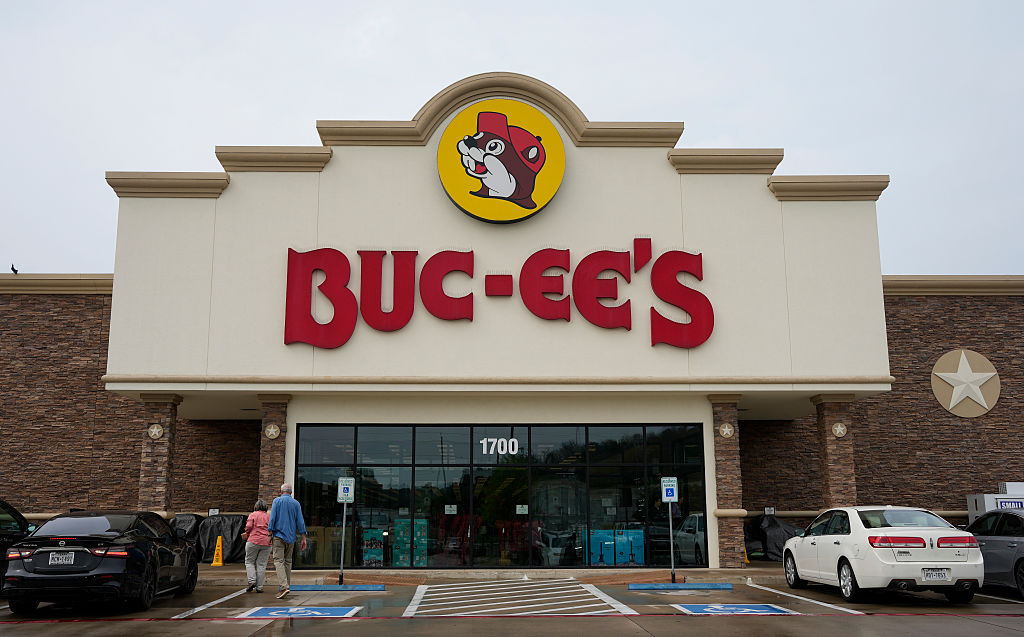
Buc-ee’s, the Texas-based travel center chain, has filed preliminary development plans with the city of Richmond, Indiana, to construct its first location in the state. The proposed site is located near the intersection of Interstate 70 and U.S. 27, according to official municipal documents submitted to the Richmond Redevelopment Commission.
Development Details in Richmond
The proposal outlines a multi-acre travel center facility consistent with the company’s signature design, which typically includes dozens of fuel pumps and a large-format retail store. Records from the Richmond Redevelopment Commission indicate that the project is currently in the initial review phase. The city’s economic development officials confirmed that the site selection leverages the high traffic volume of the I-70 corridor, a major logistical artery connecting Indianapolis to Columbus, Ohio.
While the plans have reached the city’s planning desk, they remain subject to final approval from local zoning boards and the Indiana Department of Transportation regarding highway access and infrastructure upgrades. No construction timeline has been finalized, and company officials have yet to issue a formal press release confirming the groundbreaking date.
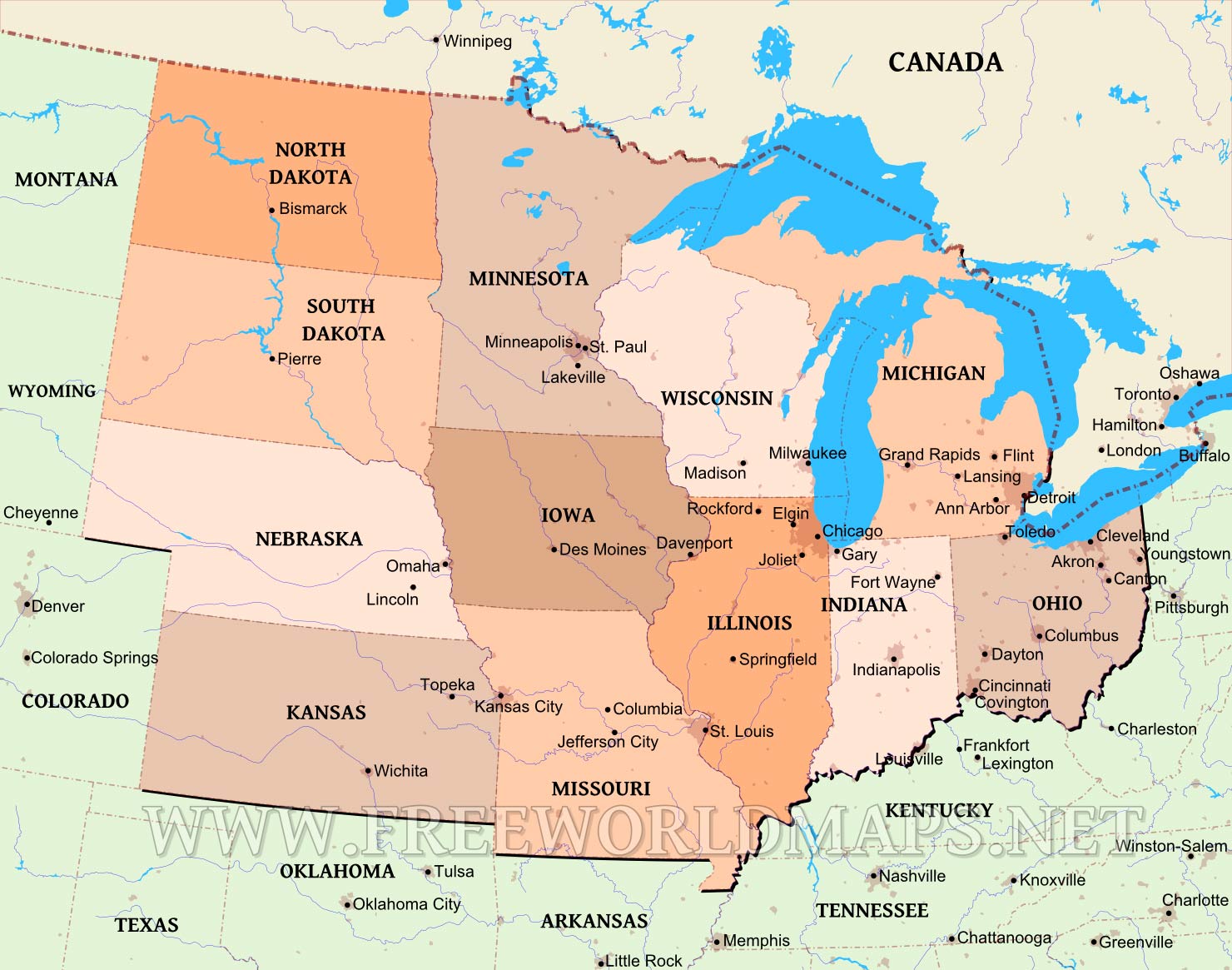
The specific site under consideration in Richmond is positioned to capitalize on the heavy flow of interstate commerce. In municipal filings, the developer’s interest in the I-70 and U.S. 27 junction is predicated on the volume of daily commuters and freight operators moving between major Midwestern hubs. The scale of the facility, which in other states regularly exceeds 50,000 square feet, necessitates extensive site preparation. Unlike standard convenience stores, Buc-ee’s locations function as destination retail hubs, requiring significant acreage for parking configurations that can accommodate both passenger vehicles and oversized trailers.
Strategic Expansion into the Midwest
This filing marks a shift in the company’s geographic strategy, which has historically centered on the Southern United States. Buc-ee’s has been steadily moving north, with recent openings in Kentucky and Missouri. The Indiana expansion reflects a broader trend of the company targeting high-traffic interstate junctions in the Midwest to capture long-haul trucking and passenger vehicle demand.
Market analysts note that the company’s entry into Indiana follows a pattern of identifying regions with significant commuter density. The Richmond site, if approved, would serve as a primary stop for travelers crossing the state line, positioning the retailer to compete directly with existing truck stops and convenience chains already established along the I-70 thoroughfare.
The company’s expansion strategy, which has seen recent successful entries into markets such as Bowling Green, Kentucky, and Springfield, Missouri, relies on a “hub-and-spoke” model of interstate positioning. By securing land at major intersections, the brand seeks to maximize visibility and accessibility for long-distance travelers. This geographic progression into the Midwest represents a departure from its original footprint in Texas and the Gulf Coast, signaling a desire to capture market share in regions where high-volume, high-amenity travel stops are historically underserved.
Regulatory and Infrastructure Next Steps
The project must now move through the standard municipal approval process. This includes public hearings where local residents and business owners can comment on the land-use impact.

“We are in the early stages of evaluating the proposal to ensure it aligns with our zoning requirements and infrastructure capacity,” said a representative from the Richmond city planning office.
City officials indicated that the next phase of the process involves a review of traffic flow impacts at the U.S. 27 interchange. Because the scale of a standard Buc-ee’s facility often requires significant utility and road modifications, the city and the developer must finalize an infrastructure agreement before the project moves to the construction phase. Until those agreements are signed, the timeline for the project remains fluid.
The regulatory pathway for a project of this magnitude in Indiana typically involves multiple layers of oversight. Beyond the municipal planning commission, the Indiana Department of Transportation (INDOT) plays a critical role in reviewing the impact of the facility on state-maintained roads. Any changes to highway access points, such as the addition of deceleration lanes or traffic signals at the I-70/U.S. 27 interchange, require formal approval from state regulators to ensure that the increased traffic volume does not impede the flow of interstate commerce. This process often includes a traffic impact study, which evaluates how the influx of hundreds of vehicles per hour will affect existing road infrastructure.
The Richmond Redevelopment Commission is tasked with assessing the broader economic implications of the development. In similar municipal projects across the Midwest, development agreements often involve tax incentives or public-private partnerships regarding the expansion of water, sewer, and electrical lines to support the site. These discussions are standard for large-scale retail developments and are intended to ensure that the infrastructure can handle the high utility demands of a 24-hour facility. Local stakeholders, including nearby business owners, are invited to share their perspectives during public hearings, which are a mandatory component of the zoning and land-use adjustment process. Should the proposal clear these regulatory hurdles, the developer will then need to secure building permits and environmental clearances before any site work can commence.
Find more reporting in our Business section.
