
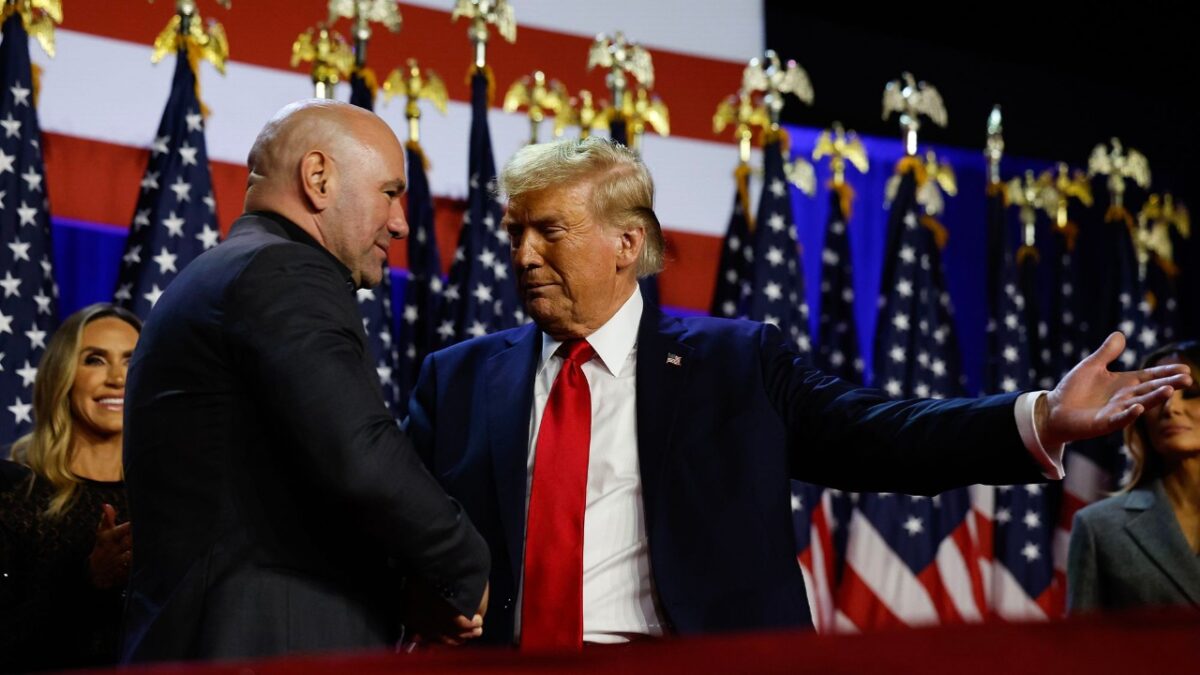
US President Donald Trump confirmed on June 19, 2026, that his administration moved to restrict Anthropic’s advanced AI models, Fable 5 and Mythos 5, over national security concerns. The directive, which suspends access for foreign nationals, follows reports of potential jailbreaking vulnerabilities, though Trump noted that Anthropic’s leadership has since acted responsibly.
Export Controls and the Suspension of Fable 5 and Mythos 5
The federal government’s intervention against Anthropic centers on specific security protocols regarding its latest artificial intelligence systems. Last week, the administration issued an export control directive forcing the company to suspend access to its Fable 5 and Mythos 5 models for any foreign national, an order that extends to Anthropic’s own employees, as reported by Anadolu Ajansı.
While the company stated that the government’s letter “did not provide specific details” regarding the exact security threats, the action was prompted by concerns over potential “jailbreaking.” Anthropic’s internal review of these risks involved testing a demonstration of a technique used to identify minor vulnerabilities, which the company characterized as “relatively simple.”
This regulatory action mirrors broader efforts by the US government to categorize high-end AI foundation models as dual-use technologies, similar to advanced semiconductors or encryption software. Under the existing framework of the Export Administration Regulations (EAR), the Department of Commerce maintains the authority to restrict the transfer of “deemed exports”—situations where sensitive technology or source code is accessed by foreign nationals within the United States. By applying these standards to Fable 5 and Mythos 5, the administration is treating the models not merely as software, but as strategic national assets subject to stringent oversight.
Trump’s Assessment of Anthropic and National Security
In an interview released Friday, President Trump addressed the administration’s aggressive posture toward the AI firm. When asked if he viewed Anthropic and CEO Dario Amodei as a national security threat, Trump responded, “Well, not now, but a week ago, maybe.” He indicated that a “competitor and a part owner” had reported the company to federal officials, triggering the regulatory response.
“We have a situation with Anthropic, and we didn’t like what they were doing. Dario Amodei acted ‘responsibly’ once the government intervened.” — Donald Trump, US President, via Anadolu Ajansı
Trump characterized the technology as “bigger than the internet” but warned that it could become a weapon if “improperly used.” He suggested that while he would consider invoking the Defense Production Act to regulate the sector, such measures might remain unnecessary if companies maintain cooperation with the government. The Defense Production Act, which grants the president broad authority to mobilize private industry for national defense, has been increasingly discussed in policy circles as a potential lever to enforce AI safety testing mandates, echoing its use during the COVID-19 pandemic to stabilize supply chains.
Ad Hoc Policy and the Changing White House Strategy
The move against Anthropic—referred to in some circles as “The Blip 2.0″—has highlighted what industry analysts describe as an increasingly volatile, ad hoc approach to AI governance. According to reporting from AI: Reset to Zero, these policy shifts have occurred in the wake of departures from the White House’s AI leadership team, specifically former “AI Czar” David Sriram Krishnan and his associate David Sacks.

This regulatory uncertainty reflects a broader tension between the administration’s objectives and the technical realities of AI development. Analysts suggest the White House is currently pursuing a strategy that demands a near-100% guarantee against jailbreaking—a standard that many technologists argue is near-impossible for probabilistic systems. In the context of AI safety, a “jailbreak” refers to a prompt engineering technique that attempts to circumvent safety filters, allowing a model to generate restricted content. The administrative insistence on absolute prevention creates a high-stakes compliance environment for firms like Anthropic, which must balance rapid product iteration with the existential risk of federal shutdown orders.
The current policy environment is marked by several competing priorities:
- Sovereign Stakes: The administration is weighing the possibility of taking ownership stakes in US AI firms, a move inspired by models seen in other nations, such as the UK’s historical involvement in strategic technology enterprises.
- Talent Recruitment: Immigration policies continue to influence the industry’s ability to secure global AI talent, with recent directives complicating the H-1B visa pipeline for researchers working on sensitive, restricted models.
- Trade Negotiations: Ongoing tech-focused dialogues with China remain a primary driver of White House decision-making for the coming fall, as the administration seeks to prevent the transfer of advanced model weights to foreign adversaries.
As the administration balances these demands, the potential for a “thaw” in the relationship between the White House and Anthropic remains. Reports indicate that recent interactions at the G7 summit may have signaled a shift in the President’s personal view of Amodei, suggesting that the current restrictions could be subject to future revision as the government recalibrates its oversight of the sector. The precedent for such reversals often lies in the establishment of “safe harbors” or technical exemptions, where companies provide granular data logs to the government in exchange for restored operating permissions.
Find more reporting in our Business section.
