
British Prime Minister Keir Starmer has not announced a ban on social media for children under 16. While the UK government continues to review online safety regulations, no policy prohibiting access to platforms like TikTok or YouTube for minors has been proposed or enacted by the current administration as of June 15, 2026.
Current Status of UK Online Safety Regulations
The UK’s primary mechanism for governing social media remains the Online Safety Act 2023. This legislation, which received Royal Assent in October 2023, mandates that tech companies take proactive steps to protect children from harmful content, including bullying, self-harm, and inappropriate material. The act requires platforms to implement robust age-verification measures and to enforce their own age limits effectively. Unlike a total ban, this framework focuses on the responsibility of the provider to mitigate risks inherent in their service design.

As of June 15, 2026, the Department for Science, Innovation and Technology, led by Secretary of State Peter Kyle, has focused on the implementation of these existing statutory codes rather than a total prohibition of access for those under 16. The government’s current strategy relies on the regulatory oversight of Ofcom, the national communications regulator. Ofcom has been tasked with creating and enforcing codes of practice that platforms must follow. The regulator has the power to fine companies up to 10% of their global annual turnover for failing to comply with these safety duties, a significant financial lever intended to incentivize compliance.
Legislative Proposals and Public Debate
While some advocacy groups and individual parliamentarians have periodically suggested stricter age-gating or device-level restrictions, these have not been adopted as government policy. Discussions in the House of Commons have centered on the “duty of care” owed by platforms to younger users, rather than a blanket ban on their presence on social media. This “duty of care” approach shifts the burden from the individual user to the corporation, requiring tech firms to identify and remove illegal content or restrict children’s access to harmful, legal content.
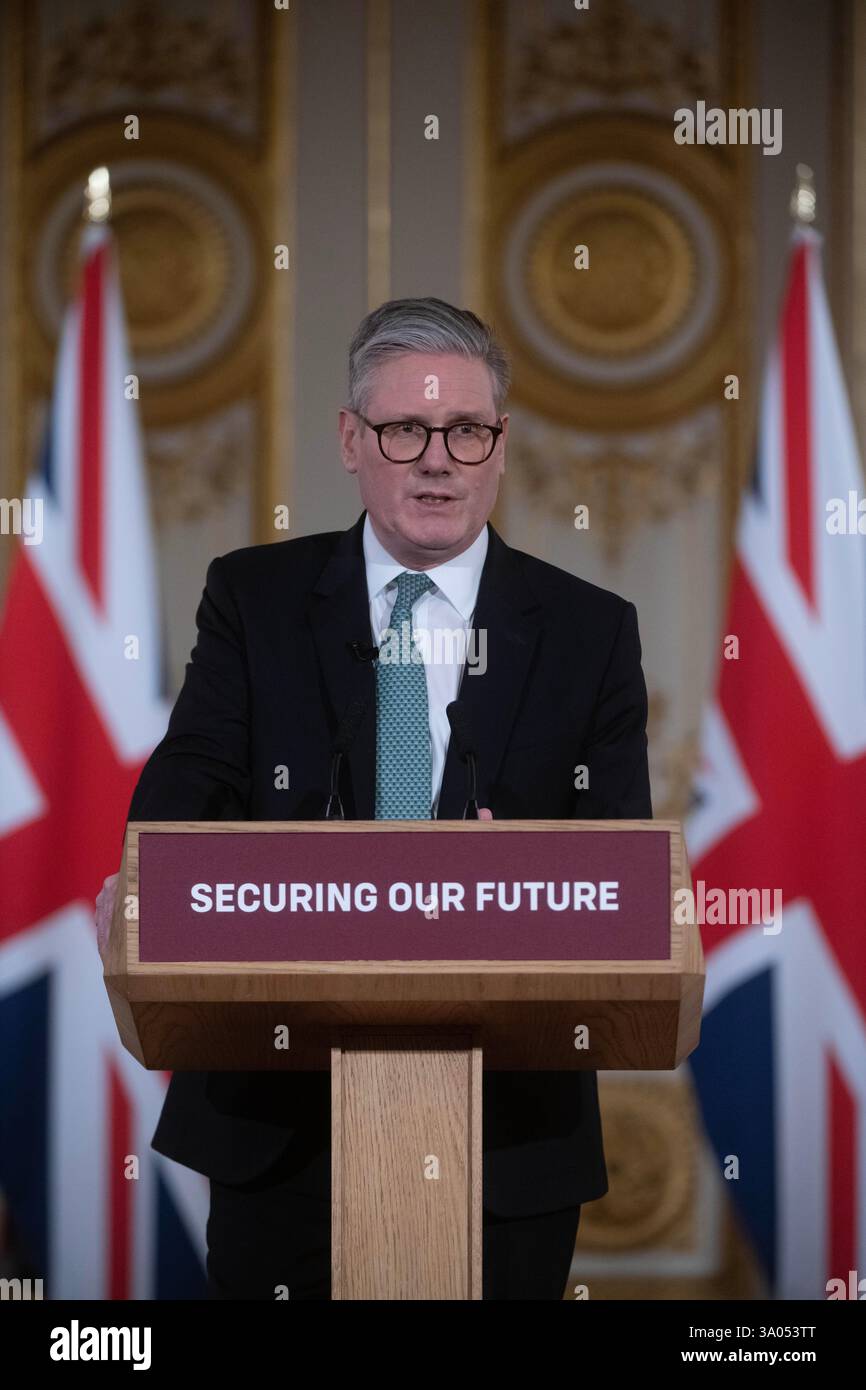
In recent briefings, spokespeople for the Prime Minister’s office have maintained that the focus of the current administration is on ensuring that the Online Safety Act is “fully operational and effective.” There is no record of a legislative proposal or a formal announcement from Prime Minister Keir Starmer regarding a ban for under-16s. The administration’s stance remains that the current legislative framework provides the necessary tools to address harms without infringing on the digital access of minors.
Comparison with International Approaches
The UK’s regulatory environment differs from other jurisdictions that have explored more restrictive measures. For instance, in 2024, the Australian government announced intentions to introduce legislation aimed at setting a minimum age for social media access, citing concerns over the impact of platforms on adolescent mental health. This move by the Australian government represents a legislative divergence from the UK’s model, which prioritizes safety-by-design principles over age-based exclusion.
The global debate often pits “age-gating”—the implementation of strict, government-mandated age limits—against the “safety-by-design” model adopted by the UK. Supporters of the UK model argue that it addresses the root causes of online harms, such as algorithmic recommendation systems, regardless of the user’s age. Conversely, proponents of age-gating argue that current verification technologies are insufficient to fully protect minors from exposure to age-inappropriate content.
Core Pillars of the UK Framework
The Online Safety Act 2023 is built upon specific operational requirements that define how tech companies must interact with younger users. These requirements are overseen by Ofcom to ensure that platforms are not merely paying lip service to safety, but are integrating these protections into the core architecture of their services:

- Risk Assessment: Requiring companies to assess the risk of their services to children. This involves conducting detailed evaluations of how their algorithms and features might expose minors to harmful content.
- Safety by Design: Mandating that platforms provide default settings that protect minors. This includes settings that limit the visibility of a child’s profile to strangers or prevent unsolicited direct messaging.
- Enforcement: Empowering Ofcom to intervene when companies fail to mitigate identified risks. This includes the authority to issue formal notices and, in cases of severe non-compliance, pursue heavy financial penalties.
The divergence between the UK’s “safety-by-design” model and potential bans elsewhere highlights the ongoing global debate regarding the role of government in regulating digital spaces for minors. As of June 2026, the UK government has maintained its commitment to the framework established by the Online Safety Act 2023, with no formal shift toward the prohibition of access for children under the age of 16. The government continues to monitor the impact of these measures as Ofcom phases in its codes of practice across the technology sector.
Find more reporting in our News section.
