
Alaska Division of Elections Director Carol Beecher disqualified a Republican U.S. Senate candidate named Dan J. Sullivan from the August primary ballot on Monday, June 15, 2026. The state official ruled the candidate’s campaign was filed with the intent to confuse voters and compromise the integrity of the election, according to reporting from Fox News.
Election Official’s Ruling on Ballot Fairness
The disqualification follows weeks of intense scrutiny regarding the emergence of a political newcomer who shares the full name of the state’s incumbent Republican senator, Dan S. Sullivan. In her formal letter, Director Beecher determined that the challenger’s candidacy was “filed with a purpose to confuse or mislead and to thereby compromise the ballot’s fairness or neutrality.”
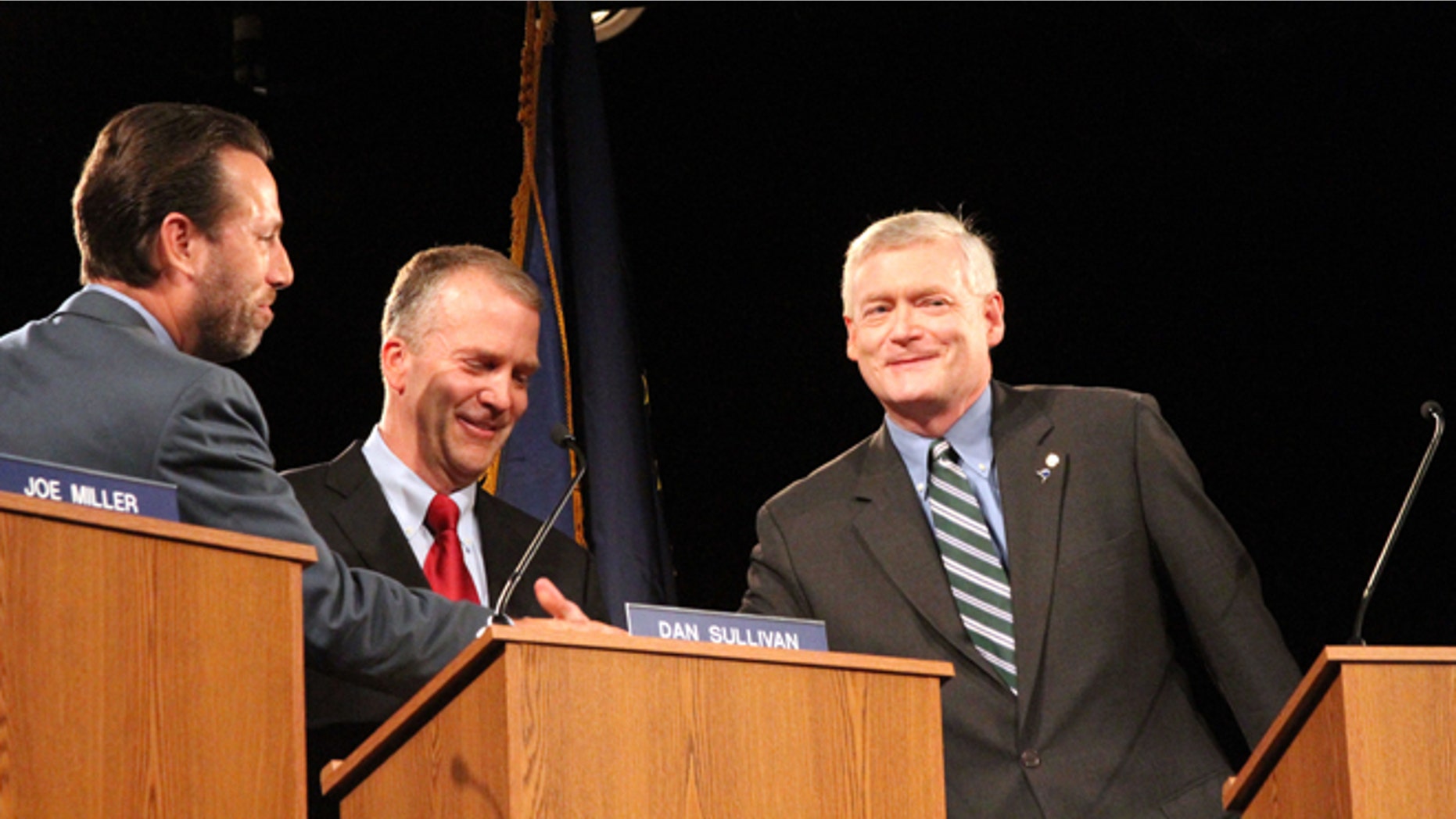
Beecher’s investigation highlighted several irregularities in the challenger’s filing. While the candidate registered to vote as “Daniel J. Sullivan, Jr.,” he requested to appear on the ballot simply as “Dan Sullivan.” Additionally, officials found instances where the challenger attempted to use the incumbent’s middle initial, “S,” despite it not being his own. Beyond the name, the Division of Elections noted the challenger’s campaign website utilized a color scheme and theme mirroring the incumbent’s materials, and that the candidate had no prior history of affiliation with the Republican Party before entering the race.
Allegations of a Coordinated Political Strategy
The incumbent senator has been vocal in his belief that the challenger’s entry was not a coincidence. Speaking to reporters in Washington, D.C., on Tuesday, the senator suggested the situation was a “dirty political trick” orchestrated to benefit his primary rival, former Democratic U.S. Rep. Mary Peltola, as noted by The Associated Press.

The National Republican Senatorial Committee (NRSC) weighed in on the controversy, with attorney Blake Murphy sending a letter to state officials calling the challenger a “sham” candidate. The state Republican Party chair, Carmela Warfield, corroborated concerns that the challenger was previously registered as undeclared, further fueling accusations that the candidacy was a strategic move to siphon votes under Alaska’s ranked-choice voting system.
The incumbent senator’s campaign went further, alleging that the effort was a “blatant attempt to confuse and disenfranchise Alaskans,” according to American Almanac. Nate Adams, a spokesperson for the senator, publicly questioned whether the Democratic Senatorial Campaign Committee or staff members were coordinating the operation.
Responses from the Democratic Apparatus
Representatives for the accused parties have denied any involvement in the challenger’s campaign. Harry Child, a spokesperson for the Peltola campaign, stated that the campaign “has no involvement with either Sullivan campaign.” Similarly, Jenny-Marie Stryker, executive director of the Alaska Democratic Party, confirmed that her organization is “in no way affiliated with either Dan Sullivan.”
Despite these denials, the investigation into the challenger’s launch revealed ties to Democratic consultants. Metadata from the challenger’s campaign launch identified an Alaska Democratic operative, Amber Lee, as the author of the site. While Director Beecher acknowledged that such consulting work might be considered innocuous in isolation, she concluded that when combined with the naming similarities and the campaign’s overall presentation, it supported the finding of a deliberate effort to deceive voters.
Impact of Ranked-Choice Voting on Ballot Dynamics
The tension surrounding the candidates is heightened by Alaska’s unique election structure. In the state’s primary, the top four vote-getters advance to the general election regardless of their party affiliation. Had the challenger remained on the ballot, both men could have theoretically advanced to the November general election, a scenario the incumbent’s team argued was designed to confuse voters and jeopardize his third term.
The challenger, a retired schoolteacher and cancer survivor who moved to Alaska nearly 50 years ago, has not yet commented on the ruling. According to the state’s election guidelines, he retains the right to appeal the decision. For now, the removal of his name from the August primary ballot marks a significant victory for the incumbent’s legal and political efforts to streamline the field.
“Alongside the other facts I have catalogued in this letter, however, it suggests a determined effort and a deliberate attempt to use the similarity of your name to confuse Alaska voters in the upcoming primary election.
Find more reporting in our News section.
