A U.S.-backed ceasefire between Israel and Hezbollah took effect at 4 p.m. local time on Friday, June 19, 2026, though fighting persisted in southern Lebanon. The agreement, brokered by the United States, Qatar, and Iran, follows the abrupt postponement of high-stakes technical talks scheduled to take place in Switzerland this weekend.
Disputed Status of the Ceasefire Agreement
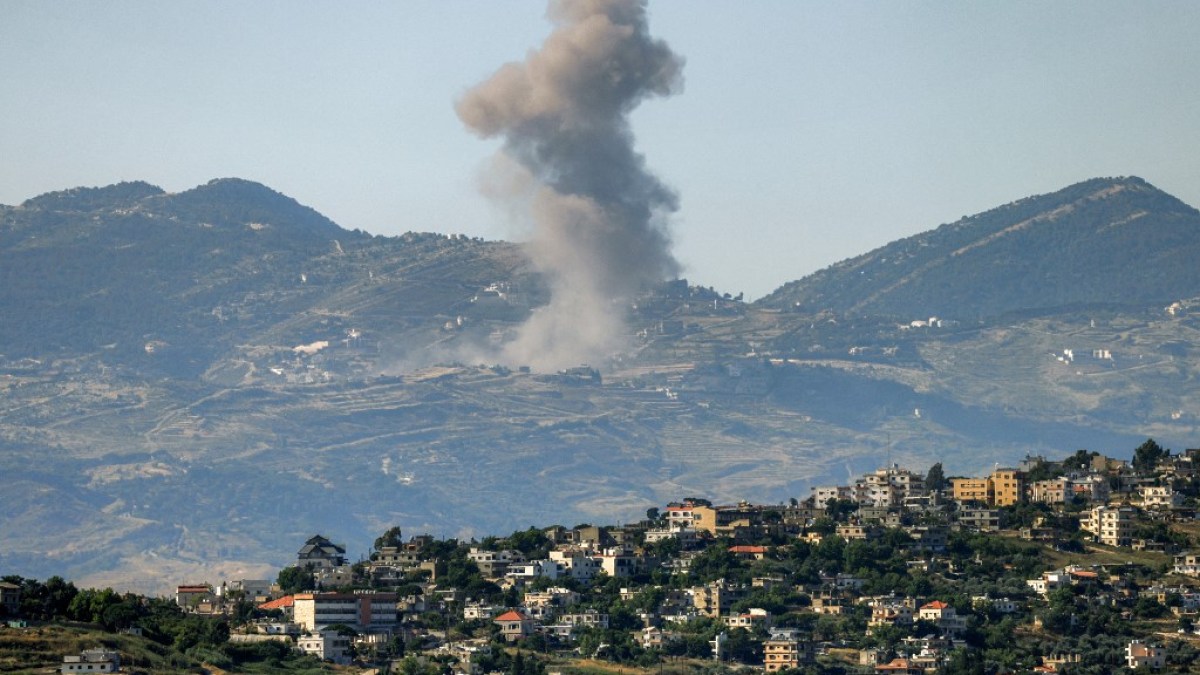
While officials from the United States and Israel confirmed the ceasefire was set to begin Friday afternoon, the reality on the ground remains contested. According to Al Jazeera, at least 12 Israeli air raids and continuous artillery shelling were reported in southern Lebanon following the 4 p.m. deadline.
The lack of clarity regarding the ceasefire’s enforcement has left residents in the region questioning the efficacy of the deal. Reports from the ground indicate that military activity continued almost immediately after the announced start time. Fox News Digital reported that a Hezbollah spokesperson stated the group would abide by the agreement if Israel did, but explicitly noted that it “reserves the right to respond” to any violations. The same spokesperson claimed that Israel was still conducting strikes more than an hour after the ceasefire was meant to be active.
Israeli Military Stance and Operational Freedom
Photo: Fox News
The Israeli government maintains that its military actions are defensive responses to ongoing threats. Prime Minister Benjamin Netanyahu posted a video on X shortly after the 4 p.m. start time, claiming, “As I instructed – the IDF struck powerfully 150 Hezbollah targets in Lebanon and eliminated dozens of terrorists,” as noted by Fox News.
Israeli officials have emphasized that their commitment to the ceasefire is conditional. An Israeli official told Fox News Digital:
“If Hezbollah doesn’t shoot, we won’t shoot. If they shoot — we will respond,” the official said.
This position aligns with statements from an Israeli military spokesperson, who confirmed that forces would retain “operational freedom” to address threats in the area. This language has become a point of friction, with Iranian Foreign Minister Abbas Araghchi characterizing Israel’s actions as an interest in “permanent war.” Araghchi’s comments followed a public call from Israeli National Security Minister Itamar Ben-Gvir for a massive escalation in Lebanon.
Postponement of U.S.-Iran Negotiations
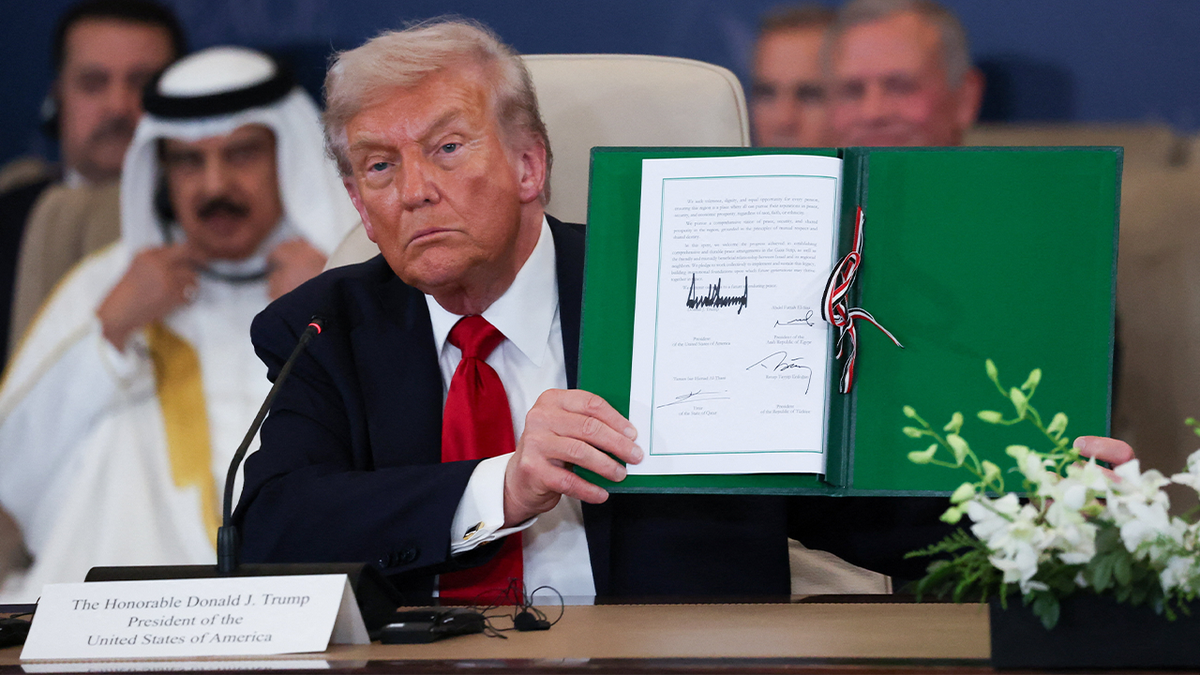
Israel-Hezbollah Ceasefire Agreed Amid Over 80 Overnight Strikes| US-Iran Peace Deal | Trump
The ceasefire arrives at a difficult moment for broader regional diplomacy. Planned technical talks between the United States and Iran in Switzerland were postponed abruptly, with the White House offering no specific reason for the delay.
The status of these negotiations remains uncertain. According to reporting from Fox News, a U.S. official stated:
“As the Vice President said at his press conference, the plans for the upcoming technical talks have not been finalized, and the U.S. delegation has been prepared to depart at the first available opportunity. But the logistics of these negotiations have never been simple or predictable. As of now the Vice President is not departing tonight. We will let you know as soon as we have a concrete update about next steps.”
Diplomatic pressure is mounting from Washington. Recent remarks from the U.S. leadership have signaled growing frustration with the scale of the Israeli military response in Lebanon. The administration has explicitly urged a more measured approach, noting that while Israel has a right to protect itself, the destruction of civilian infrastructure—such as apartment buildings in Beirut—is a significant point of contention.
Tensions in the Strait of Hormuz
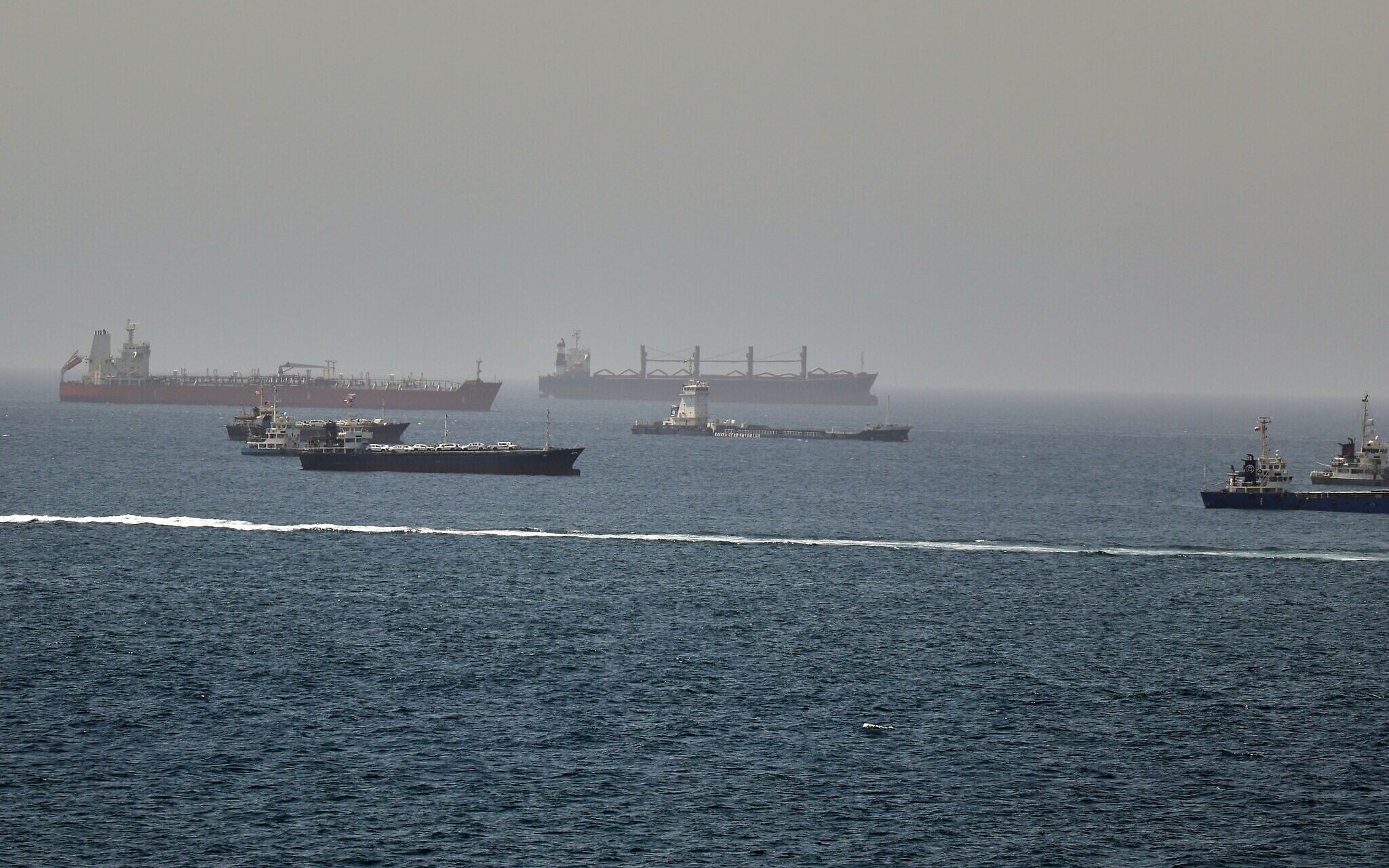
The volatility in Lebanon is closely linked to broader concerns regarding the Strait of Hormuz. A Gulf diplomat told the AFP news agency that the ceasefire was intended to prevent the conflict in Lebanon from derailing a larger effort to reopen the Strait to global shipping.
Despite these efforts, Iran has maintained strict protocols for maritime traffic. According to The Times of Israel, Iranian officials have insisted that commercial ships must request transit permission 48 hours in advance. Esmail Baghaei, a spokesperson for Iran’s Ministry of Foreign Affairs, stated that the armed forces have taken measures to ensure safe passage in accordance with a Memorandum of Understanding on the End of the War dated 18 June 1405.
Claire Donovan coordinates breaking-news coverage across global time zones. She has reported on elections, social movements, and investigative stories in over ten countries. Known for her calm leadership under pressure, Claire guarantees Globally Pulse delivers news that is fast, factual, and fair.