
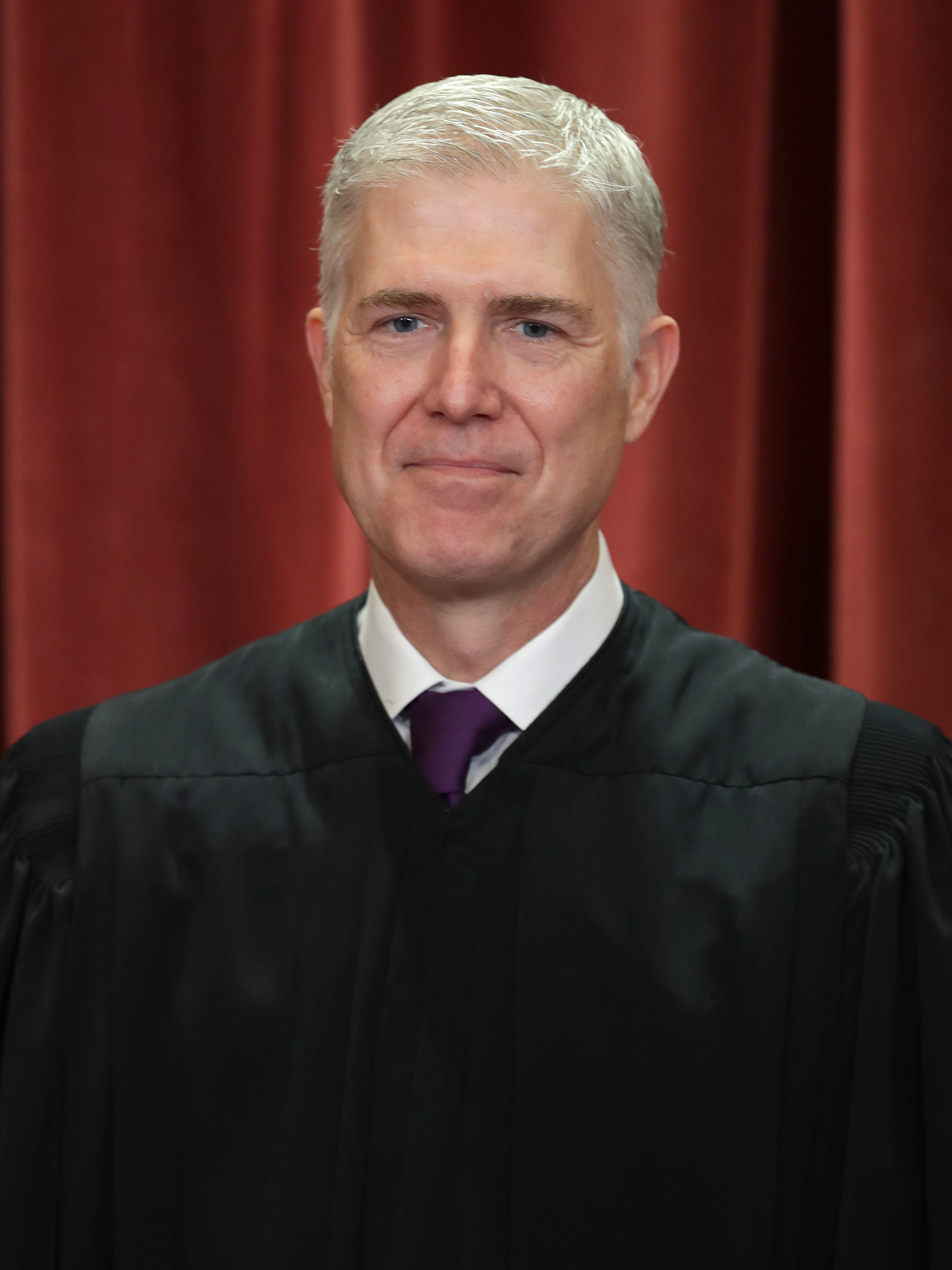
The Supreme Court on Thursday ruled that the federal government cannot restrict gun ownership for casual marijuana users, striking down a long-standing law in a 9–0 decision that narrows prosecutors’ ability to ban firearms based solely on drug use. The ruling, authored by Justice Neil Gorsuch, applies to Ali Danial Hemani, a Texas man whose gun conviction was challenged after the FBI found a handgun in his home during a 2022 search. While the decision does not invalidate the law entirely, it forces prosecutors to prove a defendant poses a public danger—beyond mere drug use—before stripping their Second Amendment rights.
Why the ruling matters: A landmark shift in gun rights
The Supreme Court’s decision marks a significant expansion of gun rights, building on its 2022 ruling that broadened protections for carrying firearms outside the home. By rejecting the government’s argument that casual marijuana use inherently makes someone dangerous, the court has sent a clear message: prosecutors cannot rely on blanket assumptions about drug users. Instead, they must demonstrate specific risks tied to an individual’s conduct.
“The court has sent a strong message that the government cannot criminalize the conduct of large numbers of people by making categorical and unfounded assumptions about whether they are dangerous,” said Cecillia Wang, legal director of the American Civil Liberties Union (ACLU), which represented Hemani. The ruling aligns with the court’s recent trend of limiting gun restrictions, even as it leaves room for future cases to test broader prohibitions on drug-addicted individuals.
The case: How Hemani’s challenge reshaped federal gun law
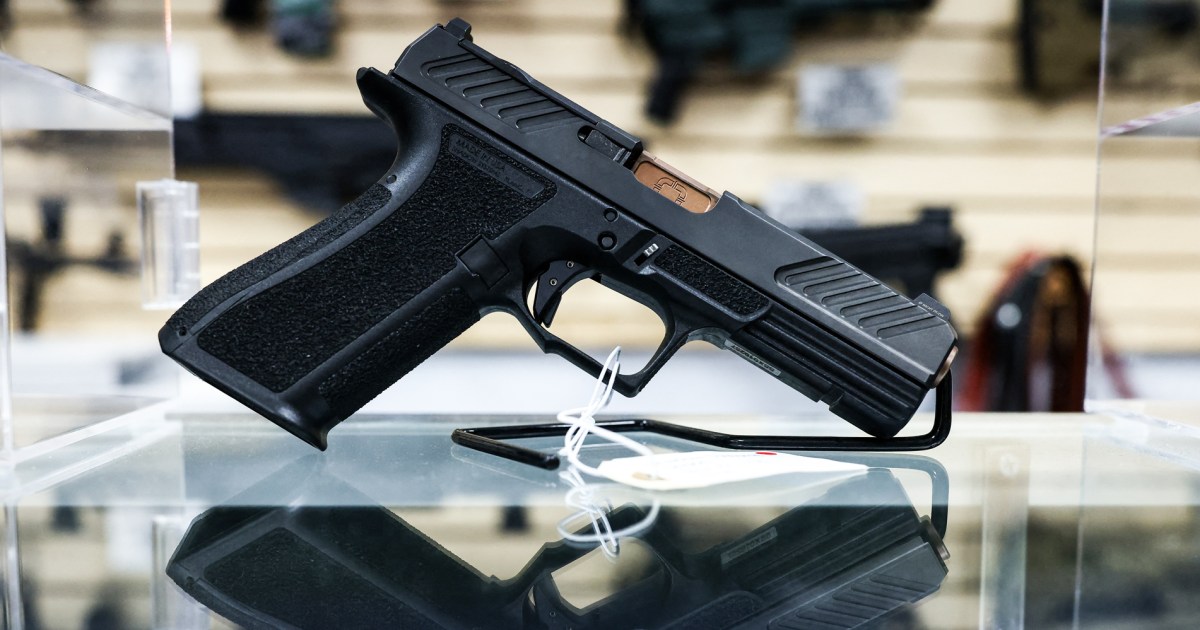
Hemani’s case began in 2022 when the FBI discovered a handgun, along with marijuana and cocaine, during a search of his Texas home. Federal prosecutors charged him under a law that bans gun ownership for anyone deemed an “unlawful user of or addicted to any controlled substance.” The statute, which also led to Hunter Biden’s 2024 conviction before his presidential pardon, carries up to 15 years in prison and a permanent firearms ban.
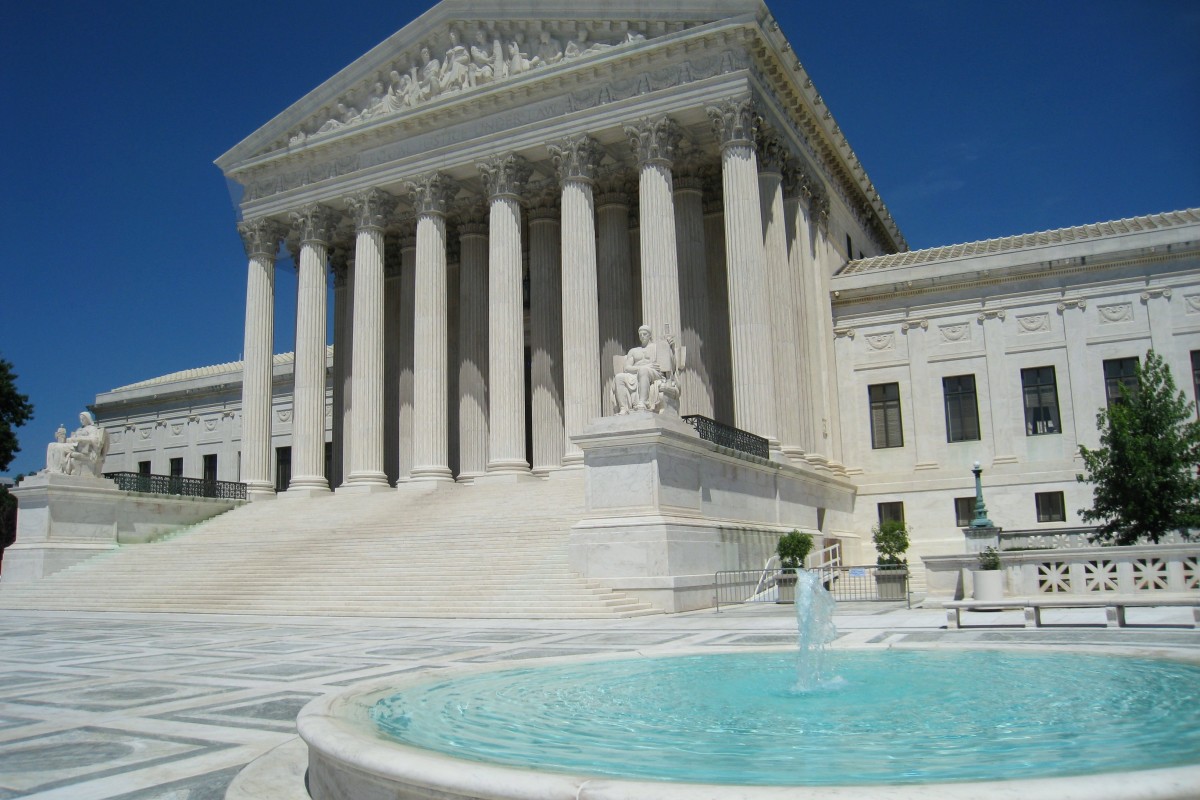
Hemani successfully fought the charges in Texas district court and the New Orleans-based 5th U.S. Circuit Court of Appeals, arguing that the law’s blanket prohibition violated the Second Amendment. The Supreme Court’s ruling upholds that logic, though it stops short of overturning the law entirely. Justice Gorsuch’s opinion explicitly rejects the government’s claim that marijuana use alone proves someone is a danger to others.
“We appreciate drugs and guns can sometimes make for a dangerous mix.”
Gorsuch’s ruling hinges on the court’s 2022 decision in New York State Rifle & Pistol Association v. Bruen, which established a new test for evaluating gun restrictions. Under this standard, laws must be tied to the nation’s historical tradition of firearm regulation. The government’s reliance on outdated precedents—like those disarming “habitual drunkards”—failed to meet that test, Gorsuch wrote.
What’s next: How prosecutors—and gun rights advocates—will respond
The ruling leaves open critical questions about how far the court’s logic extends. While it protects casual users, it does not address whether the government can still ban firearms for those deemed “addicted” to drugs—a term left undefined in the decision. Legal experts say prosecutors will now need to provide evidence of specific risks, such as a history of violence or mental health crises, to justify confiscating guns from drug users.
Gun rights advocates, including the Second Amendment Foundation, hailed the decision as a victory. “Prosecutors would need to show more than just drug use alone and instead provide evidence that the defendant is a danger to the public as a result of consuming such illegal substances,” said William Sack, a lawyer at the group. Meanwhile, gun control advocates like Leigh Rome of the Giffords Law Center stressed the ruling’s narrow scope, noting that it still allows “reasonable categorical prohibitions” on firearms ownership.
A broader battle: Marijuana’s legal limbo and federal law
The ruling comes as marijuana remains federally illegal despite its legalization in many states. Millions of Americans use cannabis regularly, creating a tension between state and federal law. The Supreme Court’s decision does not address whether marijuana users—even those in states where it’s legal—can still face federal gun restrictions. Legal scholars warn that prosecutors may now focus on harder drugs like cocaine or opioids, where addiction is easier to prove.
“The court’s narrow ruling leaves a lot of room for interpretation,” said a legal analyst at the Guardian. “While casual users are now protected, the line between ‘casual’ and ‘addicted’ is murky. This could lead to inconsistent enforcement across districts.”
The political fallout: How the decision splits the court—and the country
The 9–0 vote reflects the court’s conservative majority’s growing skepticism of gun restrictions, even as it avoids a direct clash with the Biden administration. The Justice Department did not respond to requests for comment, but the ruling could embolden gun rights groups to challenge other federal laws, such as those banning firearms for domestic abusers or those with felony records.
Republicans, including Senator Thom Tillis of North Carolina, who is retiring at the end of the year, have long pushed for broader gun rights. Democrats, however, may face pressure to clarify their stance on drug use and firearms, especially as states like New York and California consider stricter regulations. The ruling also raises questions about how law enforcement will navigate the gap between state marijuana laws and federal prohibitions.
For now, the decision leaves Hemani’s case unresolved—his conviction was vacated, but he still faces potential charges if prosecutors can prove he poses a danger. The broader impact, however, is clear: the Supreme Court has once again expanded gun rights, forcing a reckoning over how far the Second Amendment extends—and who gets to decide.
Find more reporting in our News section.
