
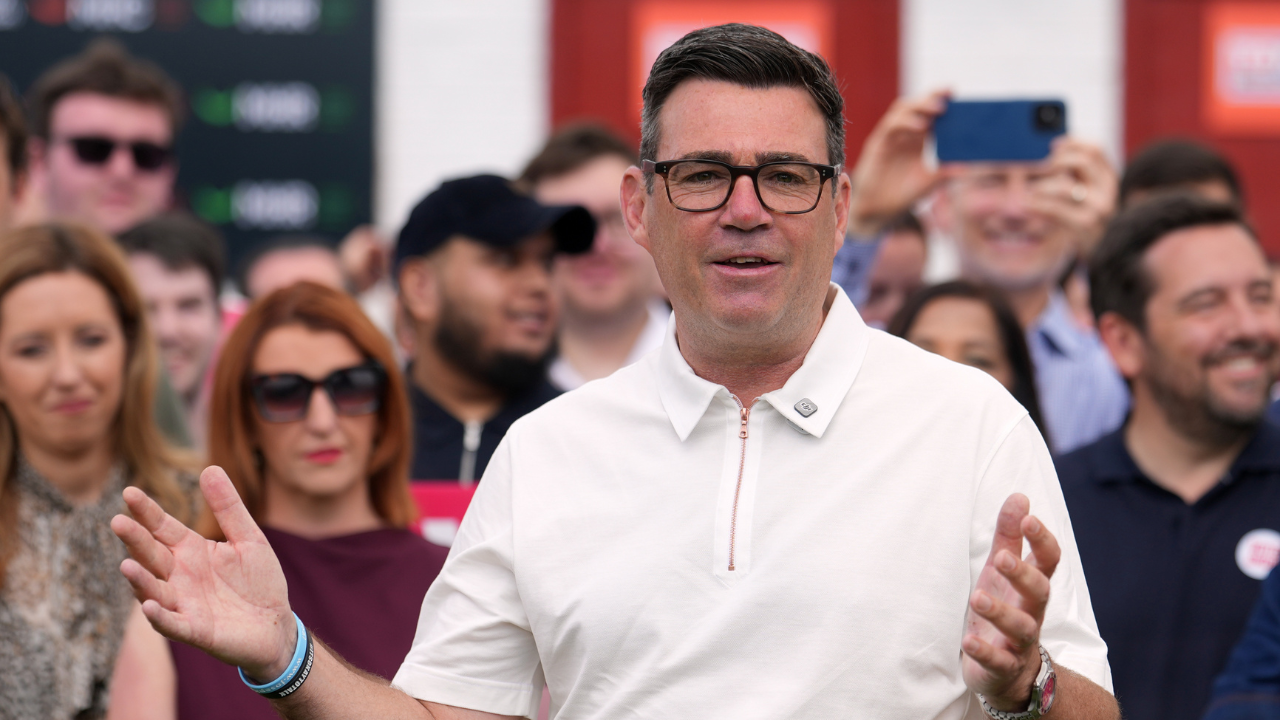
Andy Burnham won the Makerfield parliamentary by-election on June 19, 2026, securing 55 percent of the vote. The victory provides the Greater Manchester mayor with a path to challenge Keir Starmer for the Labour Party leadership, as senior party figures increasingly pressure the Prime Minister to consider an “orderly exit” from office.
Burnham’s Path to Parliament and Potential Leadership Challenge
Andy Burnham’s return to the House of Commons follows a decisive win in the Makerfield by-election, where he secured 24,927 votes. The seat became available after former Labour MP Josh Simons intentionally resigned to facilitate Burnham’s parliamentary comeback. According to Fox News, Burnham outperformed his closest rival, Reform UK’s Rob Kenyon, by more than 9,000 votes. The mechanics of the resignation were deliberate, highlighting the strategic coordination required to place a high-profile figure like Burnham back into the legislative chamber.

While Burnham previously served as an MP until 2017 before transitioning to his role as Mayor of Greater Manchester, his victory speech signaled a clear intention to pivot toward national leadership. “Everyone knows that politics isn’t working. Everyone can feel that the country isn’t where it should be. Tonight could, just could, be the turning point,” Burnham said, as reported by The Associated Press. This rhetoric positions him as a challenger seeking to address widespread voter dissatisfaction, a move that contrasts with the current administration’s established policy trajectory.
Cabinet Pressure and the Future of Starmer’s Premiership
Prime Minister Keir Starmer faces an intensifying internal revolt as cabinet ministers and Labour grandees urge him to avoid a protracted leadership battle. The Guardian reports that senior party sources are pushing for a timetable for an “orderly exit” to prevent a chaotic transition. One cabinet source stated, “I think everyone thinks it is over and everyone wants it to be a dignified, orderly exit.”
Starmer, who has served as Prime Minister for nearly two years, has publicly signaled his refusal to step down. “If there is a contest, just to be clear with you, then, yes, I will run,” Starmer told reporters on Friday. However, the political environment remains volatile. Al Jazeera notes that Starmer currently holds the distinction of being the most unpopular leader in the U.K. since polling began, a reality compounded by Reform UK’s electoral gains and internal party dissatisfaction. This unpopularity is a significant factor in the current discourse, as Labour members weigh the risks of maintaining the status quo versus risking a leadership transition during a period of legislative uncertainty.
Procedural Hurdles for a Leadership Contest
For a formal leadership challenge to materialize, Burnham must navigate the specific rules of the Labour Party. Under current regulations, any MP seeking to challenge the sitting leader must secure nominations from 20 percent of the parliamentary party. This threshold requires the backing of 81 Labour legislators. The process of gathering these nominations is often the first true test of a challenger’s support within the parliamentary party, serving as a filter to prevent frivolous challenges while ensuring that any contest has a legitimate mandate among sitting members.
The logistics of such a contest are already causing friction. While some allies of Wes Streeting have suggested a “comradely” contest, others warn that any delay could mirror the instability seen in previous administrations. As one senior source told The Guardian:
“The prime minister cannot pull the same move again where he refuses to talk to his own cabinet about his future. He has a choice of allowing his cabinet and ministers to show open support for his rivals or risk the same situation as Boris Johnson, where you have three education secretaries in three days.”
Senior Labour source
This warning references the historical volatility of the Conservative Party’s leadership crises in the early 2020s, which remain a cautionary tale for Labour leadership regarding the dangers of prolonged internal conflict. The ability of the Cabinet to exert pressure on a sitting Prime Minister is a central feature of the UK’s parliamentary system, where the executive’s authority is inherently tied to the confidence of their own parliamentary party.
Local Sentiment and the National Political Climate
The by-election in Makerfield served as a focal point for national frustration. Al Jazeera reported on the high-intensity atmosphere in Ashton-in-Makerfield, where residents described the influx of international media and activists as “absolutely horrendous.” Local voters expressed mixed views on the party’s direction, with some, like 31-year-old factory worker Cameron Graham, stating they had voted for the party in 2024 but now preferred a change in leadership. The sentiment in Makerfield reflects a broader trend of voter disillusionment that has become a recurring theme in recent British polling.

The political stakes are further complicated by the bizarre optics of the by-election, which featured fringe candidates including an individual known as “Count Binface,” who wears a trash can on his head. While such candidates are a fixture in British by-elections, their presence often highlights the degree to which a specific seat has become a stage for national protest. Despite the eccentricities of the field, the result has effectively forced the Labour Party into a period of introspection. Whether Starmer can maintain his grip on the premiership or if the party will force a transition remains the central question for the coming weeks, particularly as the parliamentary party assesses the viability of Burnham’s candidacy against the backdrop of an increasingly fractured public mandate.
Find more reporting in our World section.
