The U.S. men’s national team lacks a top-100 player globally, according to its own coach and objective metrics, as experts attribute the gap to a “broken” system and cultural shortcomings that have stifled the development of a true soccer superstar. The New York Times reports that despite the nation’s economic might and sporting infrastructure, soccer culture remains fragmented, with youth development prioritizing financial gain over passion and playability.
Cultural Deficit: The Root of the Problem
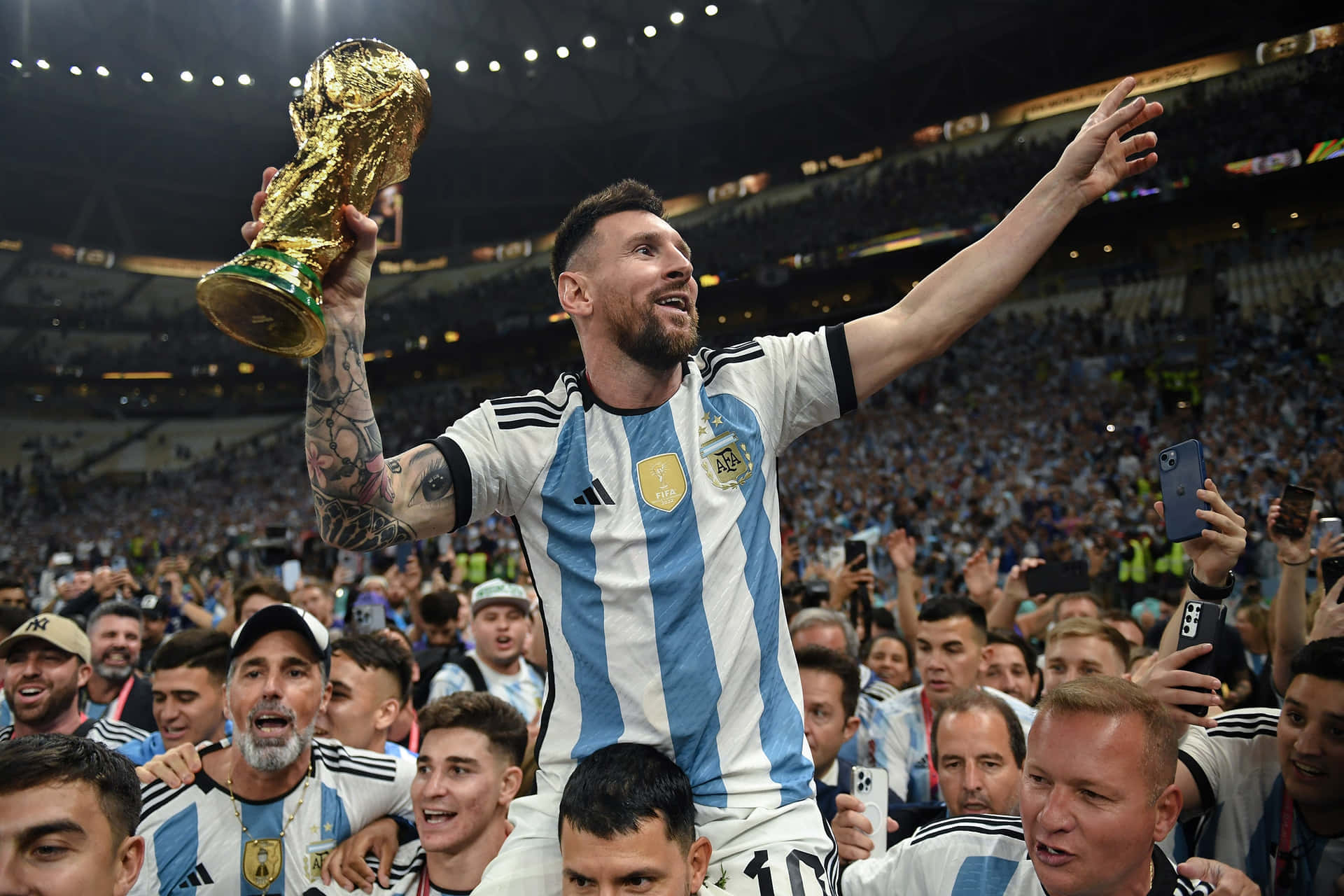
The absence of a “consistent soccer culture” in the U.S. has become a recurring refrain among coaches and administrators. Tom Byer, a youth development expert who helped elevate Japanese soccer, told The New York Times that “this is a sport that is driven by culture.” John Hackworth, a longtime U.S. coach, echoed this sentiment, stating, “Until we, as a nation, adopt a more consistent soccer culture, we will always be faced with more challenges than our counterparts around the world.” These comments underscore a systemic issue: unlike nations where soccer is woven into daily life—such as Argentina, where Lionel Messi grew up playing in the streets—American youth soccer often centers on competition and financial incentives rather than organic love for the game.
Matthias “Matt” Crocker, the U.S. Soccer sporting director, emphasized this divide in a 2026 interview, noting that “everybody agrees that the system is broken.” The quote, sourced from The New York Times, highlights a consensus among insiders that structural flaws have hindered the emergence of elite talent. “Football is just different for us,” Crocker said. “It is essential. It is every day. It is like bread and water.” This dichotomy—between soccer as a cultural imperative in other nations and a supplemental activity in the U.S.—has created a “cultural deficit” that no amount of investment can easily rectify.
Systemic Barriers: From Youth Development to Professional Pathways
The U.S. soccer system’s flaws are most evident in its youth development pipeline. While the nation boasts a thriving youth soccer scene, the focus on club fees, travel tournaments, and early specialization has created a “capitalist” model that prioritizes profit over player growth. “The American youth soccer system sprouted around economic opportunity and competition rather than around the needs or wants of kids who, someday, could become the first true superstar,” The New York Times reports. This approach contrasts sharply with European and South American systems, where clubs and academies nurture players from a young age, often without financial barriers.

Experts point to the lack of “addiction to the ball” as a critical gap. Kylian Mbappé, for example, grew up in a Paris suburb where soccer was a daily ritual, while U.S. players often face logistical hurdles—like limited access to quality facilities or time to play informally. “I always left the car in a corner to go play football,” one unnamed player told The New York Times. “I just wanted the ball. To me, the ball was everything.” Such stories illustrate a cultural disconnect: in the U.S., soccer is often treated as a sport for “the few,” rather than a shared national pursuit.
The 80 Percent Divide: Why the U.S. Lags Globally
The data paints a stark picture of the U.S. soccer system’s limitations. According to <a While the country continues to struggle to develop a comprehensive soccer infrastructure, grassroots programs like St. Mark Village in Highland Lakes, FL, remain crucial in bridging the gap between passion and participation.
Find more reporting in our Sports section.
