
The Somali referee Omar Artan, set to become the first from his country to officiate at the World Cup, was denied entry to the United States on June 8, 2026, ending his dream of participating in the tournament. U.S. Customs and Border Protection (CBP) cited “vetting concerns” without specifying details, while FIFA confirmed Artan would not be able to train or referee in the event.
Why Artan Couldn’t Enter the U.S.
Artan, named Africa’s best male referee in 2025 and FIFA-accredited since 2018, faced an 11-hour immigration interview upon arrival at Miami International Airport from Istanbul. According to the BBC, he was detained for hours before being sent back to Turkey. The CBP statement described the denial as part of a “routine inspection” process, though officials declined to disclose the specific reasons for inadmissibility.
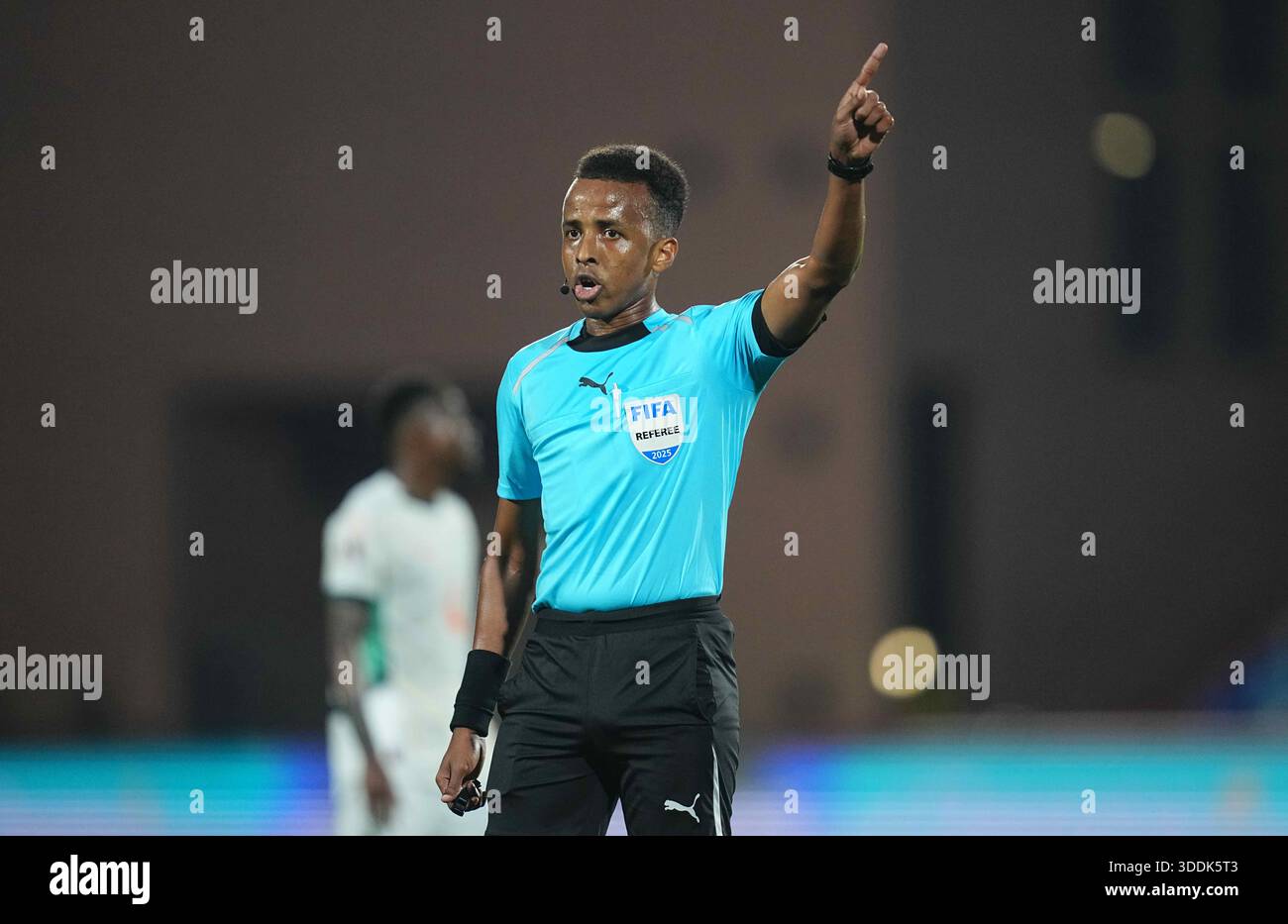
Artan’s exclusion comes amid a broader pattern of visa denials and logistical hurdles for officials and journalists covering the World Cup. The Guardian reported that Iran’s football federation saw its fan ticket allocation revoked, while Iranian staff were forced to relocate training bases from Arizona to Mexico City. The International Sports Press Association criticized the U.S. for denying visas to accredited journalists, calling it an “unacceptable problem” that contradicts FIFA’s promises of inclusivity.
Trump’s Role and the Political Context
Artan’s denial occurred under the Trump administration, which has faced scrutiny for its immigration policies. In June 2025, Trump reinstated a full entry ban for 12 countries, including Somalia, a move that the BBC noted drew widespread criticism. Two days before the World Cup draw in December 2025, Trump made controversial remarks about Somalia during an immigration enforcement operation in Minnesota, where a large Somali community resides.
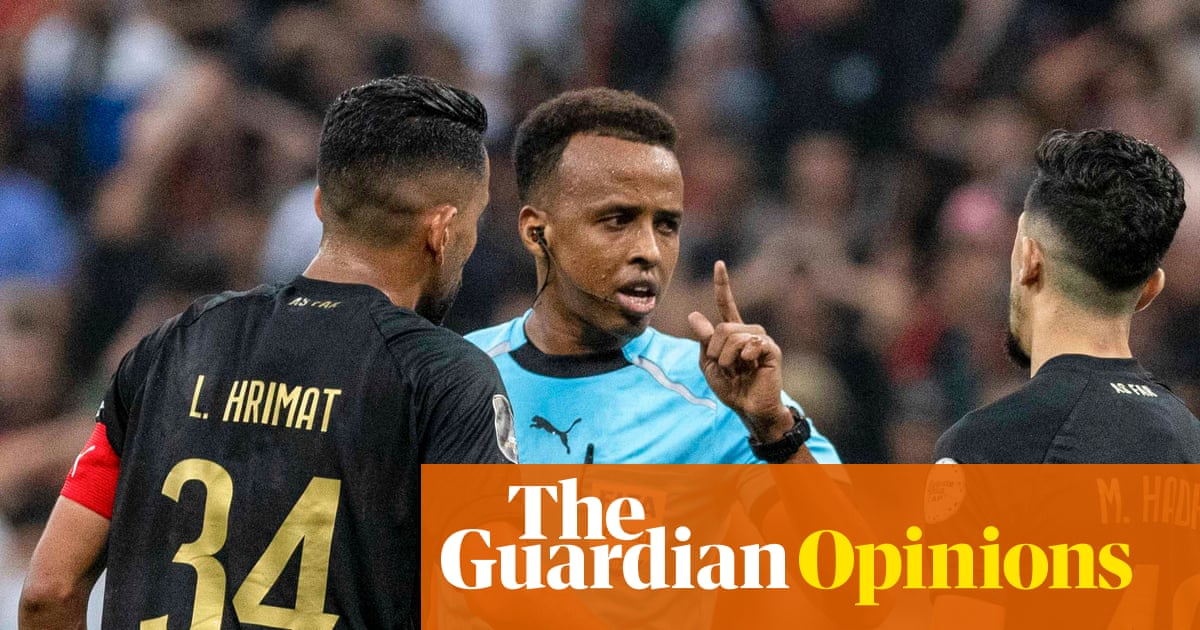
“With Somalia, which is barely a country, you know, they have no anything… They just run around killing each other. There’s no structure.”
Trump’s comments, which the BBC reported, sparked outrage, particularly given Somalia’s representation at the World Cup. This year, a record 10 African nations are participating, yet Artan’s exclusion underscores how political rhetoric can clash with FIFA’s stated goals of global inclusion. Andrew Giuliani, leading the White House Task Force on the World Cup, defended the decision, stating that it was the “right decision by customs and border patrol” without providing specifics.
FIFA’s Response and the Broader Impact
FIFA’s official stance, as reported by the AP, was to emphasize that host countries—including the U.S.—determine visa eligibility.
“Despite the circumstances, I am in a positive mood and I am focused on the next challenges in my refereeing career… I want to thank FIFA and the African federation for all their support.”
— Omar Artan, via AP
Artan’s exclusion raises questions about FIFA’s ability to enforce its own visa guarantees. The Guardian pointed out that while FIFA secured commitments from hosts like South Africa and Germany to ensure visa access, the U.S. appears to be operating outside those agreements. The financial stakes are high: FIFA projects $8.9 billion in revenue from the 2026 tournament, yet the human cost of exclusion—like Artan’s—is a stark contrast to the event’s commercial success.
What Happens Next for Artan and Somalia
Artan’s immediate future remains uncertain. While he expressed gratitude for FIFA’s support, his ability to participate in future tournaments depends on resolving his visa status. Somalia’s president, Hassan Sheikh Mohamud, called Artan a “symbol of inspiration” for young Somalis, and his exclusion has become a rallying point for national pride.
“Let’s all defend Somalia’s honour. We all belong to Somalia whether it’s bad or good… The youth shouldn’t be demoralised about their country. Despite this happening to me, I’ll still stand for my nation.”
Beyond Artan’s personal journey, his case highlights deeper tensions between global sports diplomacy and national immigration policies. With the World Cup set to begin in June 2026, pressure may grow on FIFA to address visa inequities—especially as the tournament expands to 48 teams and markets itself as the most inclusive in history. For now, Artan’s story serves as a reminder that behind the spectacle, individual lives and national pride are at stake.
The Bigger Picture: Visa Denials and Global Sports
Artan’s exclusion is not an isolated incident. The Guardian noted that Iranian officials, journalists, and staff have faced similar hurdles, with some denied re-entry after traveling to Canada or Mexico for matches. The International Sports Press Association’s criticism underscores a growing frustration among media outlets, who argue that visa denials undermine the tournament’s claim to unity.
A comparison of past World Cups reveals a pattern: while FIFA has historically pressured hosts to ensure visa access, enforcement varies. In 2018, Russia faced backlash for visa delays, though the scale was smaller than this year’s 48-team expansion. The financial incentives for FIFA—projected revenues of $8.9 billion—clash with the human costs of exclusion, particularly for officials like Artan who represent underrepresented regions.
As the World Cup approaches, the question remains: Will FIFA take a stronger stance on visa guarantees, or will political pressures continue to override its promises of inclusivity? For Artan, the answer may determine whether his dream of officiating at the World Cup ever comes true.
Find more reporting in our Sports section.
