Containment and Emergency Response in Zavala County
The discovery of the screwworm in Texas has prompted a swift, multi-agency mobilization. State and federal officials are moving to prevent a broader outbreak that could devastate the cattle industry. Texas State Veterinarian Bud Dinges has implemented a 12-mile quarantine zone around the La Pryor detection site. Within this area, the movement of any warm-blooded animal—including household pets—is strictly prohibited unless the animal has undergone a thorough inspection.
The response follows a coordinated effort to establish an Incident Command Team, which is now working alongside the Texas Animal Health Commission. According to Agriculture Secretary Brooke Rollins, the USDA is deploying the same strategy that successfully eradicated the pest decades ago: the release of millions of sterile screwworm flies. These flies mate with wild females, effectively breaking the reproductive cycle of the parasite. As the USDA stated in its official response, the agency is:
“around the detection site and implementing quarantines, increasing traps for screwworms along the border and establishing an Incident Command Team with the Texas Animal Health Commission.”USDA
The Biological Threat to Livestock and Humans
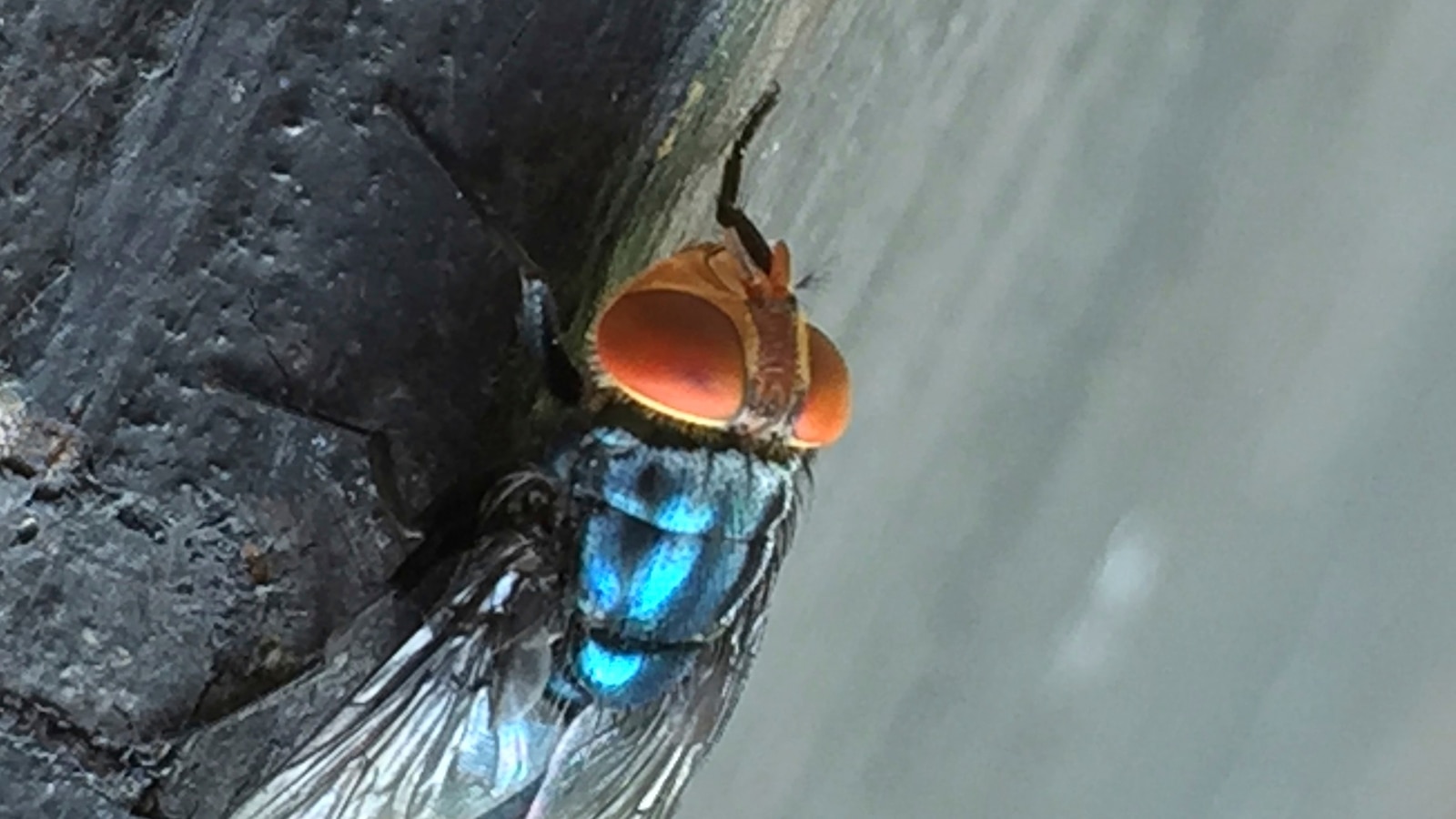
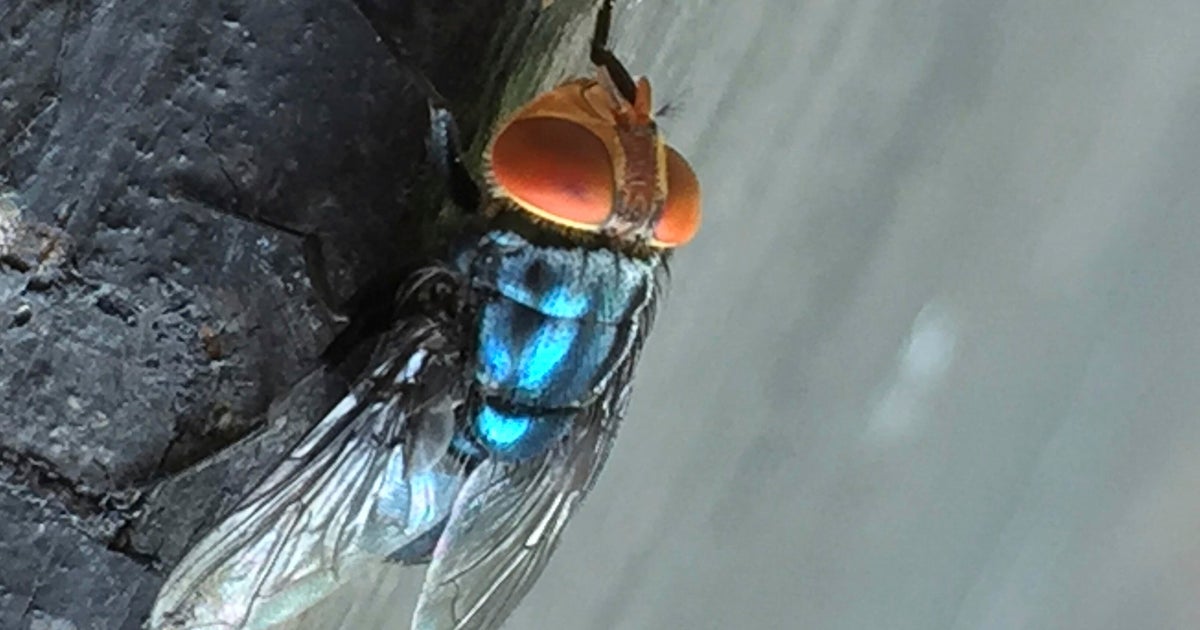
The New World screwworm is a tropical parasitic fly known for its aggressive feeding habits. Unlike most fly species, the larvae of the New World screwworm feed on living tissue. The female fly typically deposits its eggs in open wounds or mucous membranes—such as the eyes, ears, nose, or mouth—of warm-blooded animals. Once the eggs hatch, the larvae burrow into the flesh, causing severe damage that can lead to death if left untreated.
While the current detection is limited to a single calf, the threat is significant. Cattle ranchers across the southern United States have long feared the return of the parasite, which caused tens of millions of dollars in losses before it was eradicated in the 1970s. Adjusted for inflation, those losses would reach into the billions of dollars today, according to information provided by ABC News.
Despite the severity of the parasite, officials are working to manage public alarm. Secretary Rollins emphasized that while the larvae are a grave threat to livestock production, they do not infest food, and the affected calf is expected to recover with proper medical treatment. Furthermore, health officials noted that the parasite is not a mass-transmission threat at this stage.
Tracking the Parasite’s Path Toward the Border
This incursion did not come without warning. For more than a year, U.S. and Texas agriculture officials have been tracking the movement of the fly as it migrated north through Central America and Mexico. CBS News reported that a screwworm was detected in Mexico just 25 miles from the U.S. border last week, the closest point of contact since at least September 2016.
The USDA has been preparing for this possibility, having invested heavily in diagnostic tools and field monitoring. Despite the proximity of the infestation, Secretary Rollins remains optimistic about the outcome of the current containment efforts:
“there is no threat of mass infestation.”Brooke Rollins, Agriculture Secretary
Rollins added that there is no evidence to suggest this incident will lead to the establishment of the pest within the United States. This current case is only the third time the fly has appeared in the U.S. in decades. Previous encounters, such as the 2016 outbreak in the Florida Keys, were successfully contained without widespread impact.
Historical Context and Future Risks
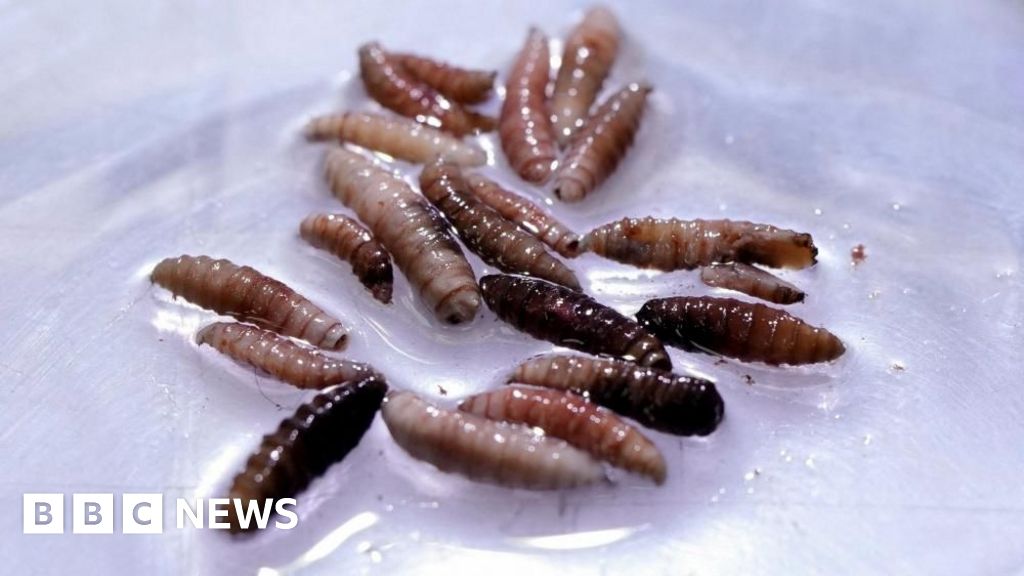
The history of the New World screwworm in the United States is one of successful eradication followed by constant vigilance. Before the 1970s, the parasite was a persistent threat to cattle in warm-weather states. The current BBC reporting highlights that the species remained largely contained in Panama until late 2024.
While the focus remains on livestock, the parasite does have the potential to affect humans in rare instances. In August 2025, federal health officials confirmed a case involving a Maryland resident who had recently traveled to El Salvador. That individual recovered, and investigations confirmed there was no evidence of transmission to other people or animals.
As of Thursday, June 4, 2026, the USDA continues to monitor the situation in Zavala County. The next 30 days will be critical as officials evaluate the effectiveness of the quarantine zone and the impact of the sterile fly release program. For now, the agricultural sector remains on high alert, with ranchers advised to monitor their herds closely for signs of infestation in open wounds or mucous membranes.
