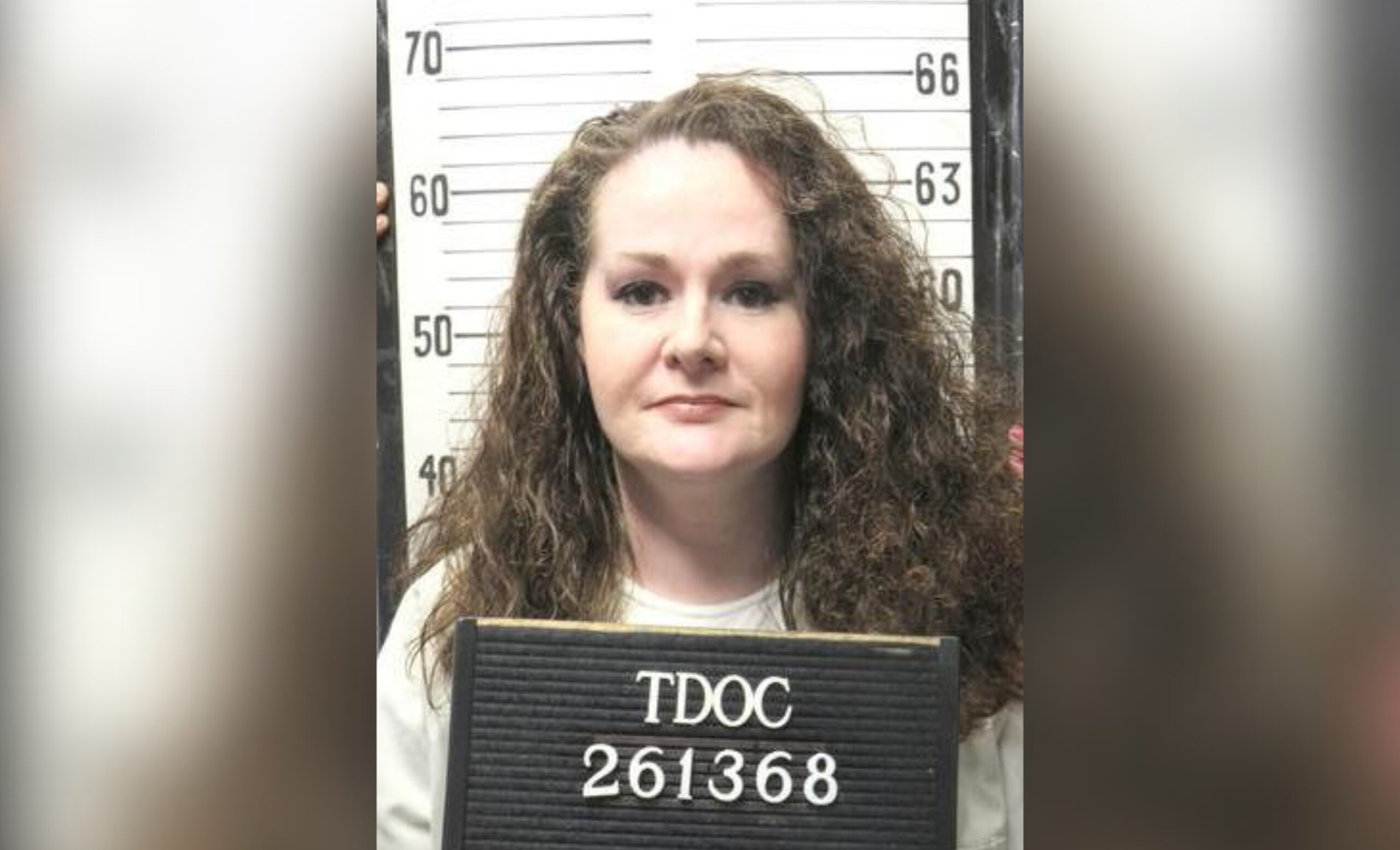
Judge denies defense motion to declare Lindsay Clancy not guilty of murder
Judge William Sullivan denied a defense motion to declare Lindsay Clancy not guilty following her deadlocked first trial, ruling prosecutors presented sufficient evidence.
- Headline Dispatch: Judge denies defense motion to declare Lindsay Clancy not guilty of murder
- Core Takeaway: Judge William Sullivan denied a defense motion to declare Lindsay Clancy not guilty following her deadlocked first trial, ruling prosecutors presented sufficient evidence.
- Source Synthesis: Continuous live monitoring aggregated across major news wires and independent bureaus.
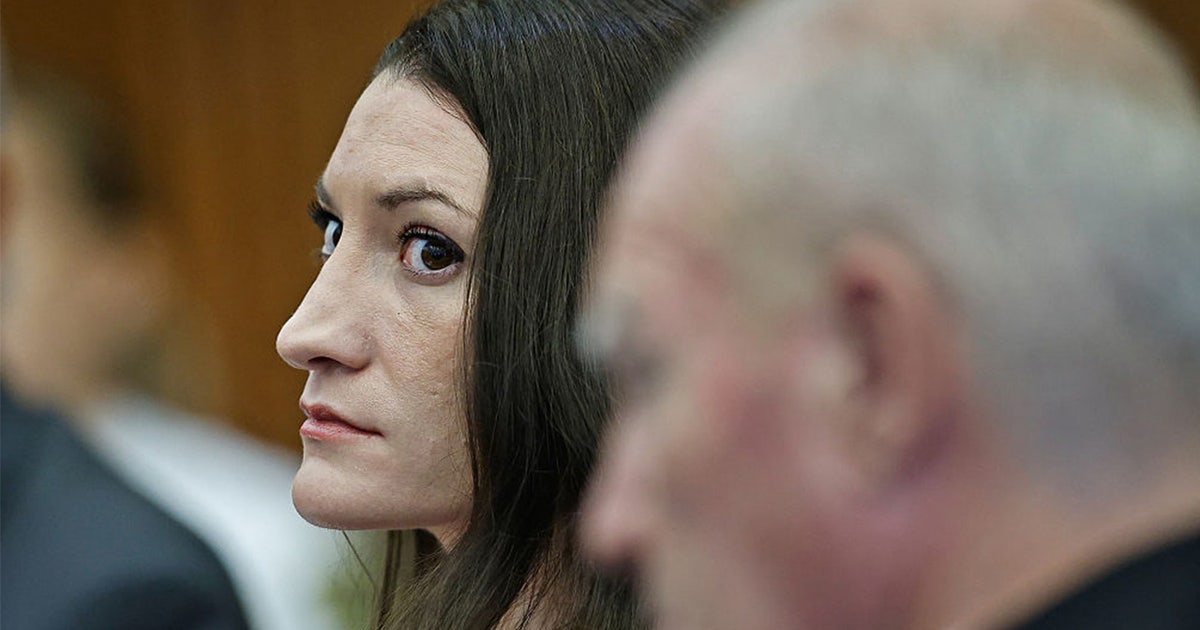
The judge in Lindsay Clancy’s murder case on Thursday denied the defense’s motion to declare her not guilty. Clancy faces accusations stemming from the January 2023 deaths of her three young children—Cora, Dawson, and Callan—at the family's home in Duxbury.
Legal Arguments and the Judge's Ruling
Judge William Sullivan rejected the defense motion that argued prosecutors failed to provide adequate evidence linking Clancy to the killings. Clancy’s attorney Kevin Reddington tried to persuade Judge William Sullivan on Tuesday that prosecutors had not offered any proof that Clancy killed her three children. Reddington reportedly asked where any admission from Clancy could be found.
Prosecutors said there was plenty of evidence and called Reddington’s claim “laughable.” Judge Sullivan sided with the state's assessment, ruling that a rational fact-finder could establish the elements of the charges beyond a reasonable doubt based on the physical and circumstantial evidence introduced.
"There was evidence introduced, both physical and circumstantial, that would permit a rational trier of fact to find beyond a reasonable doubt the elements of the charge of murder"
Judge William Sullivan
In addition to seeking an acquittal, Clancy's legal team pushed to have the criminal case dismissed entirely. Their arguments included a challenge regarding the composition of the previous jury, specifically insisting that the judge should have removed the one juror who favored a murder conviction after the jury foreperson complained he was refusing to listen to the law on reasonable doubt.
| Case Element | Defense Position | Prosecution Position |
|---|---|---|
| Culpability | Not criminally responsible due to postpartum psychosis | Fully aware of actions; knew right from wrong |
| Evidence of Responsibility | Claimed insufficient proof and speculation by the state | Provided ample physical and circumstantial evidence |
| Trial Outcome Preference | Seeking dismissal or acquittal | Evaluating options for retrial or lesser charges |
Context of the First Trial and Mental Health Focus
Clancy's first trial ended with a deadlocked jury on Sept. 4. A judge declared a mistrial with the jury split 11 to 1 in favor of acquitting Clancy of murder charges.
During that trial, Reddington didn’t dispute that Clancy killed the children at the family’s home in 2023. Instead, the defense sought to persuade the jury that the 36-year-old former labor and delivery nurse was not criminally responsible because of mental disease, a rare condition called postpartum psychosis.
Prosecutors acknowledged that Clancy, 36, had mental health problems that included months of treatment and a stay in a psychiatric hospital, but argued that she knew what she was doing when she strangled the children then tried to kill herself.
Post-Trial Fallout and Juror Controversy
The deadlock generated intense public scrutiny, particularly regarding the lone holdout juror who resisted the majority's inclination to acquit. Court records and subsequent interviews revealed that the jury foreperson had complained that the juror, identified as Michael Desronvil, refused to follow instructions concerning reasonable doubt.
After the trial, the juror, Michael Desronvil, said through his lawyer that he had no doubts about his stance.
"the whole focus has been on me, but we want to reel everything back and put the focus on the three angels"
Michael Desronvil
Next Steps in the Plymouth County Prosecution
With the motion for acquittal denied, the case returns to the Plymouth County District Attorney's office to determine the next procedural steps. Plymouth County District Attorney Timothy Cruz addressed reporters outside the courthouse following the Tuesday hearing, emphasizing that the primary objective remains centered on the victims.
"We are going to do what we can for the children. That is what this case is about."
Timothy Cruz
They have yet to decide whether to retry Clancy, Plymouth County District Attorney Timothy Cruz said after Tuesday’s hearing. They could choose to retry her on first-degree murder charges or seek to try her only on lesser charges, including second-degree murder or manslaughter, or drop the case entirely.
How significant is this development?
Participate in our community survey on the trajectory and real-world impact of this news.