Iran closes Strait of Hormuz as new supreme leader vows revenge
The IRGC has declared the Strait of Hormuz closed until the end of U.S. interference in the region. The move follows the death of Ayatollah Ali Khamenei and a pledge for revenge from his successor.
Iran closes Strait of Hormuz as new supreme leader vows revenge
Iran’s Islamic Revolutionary Guard Corps (IRGC) has declared the disputed Strait of Hormuz closed until further notice, citing insecurity created by the unlawful interference of foreign actors
. The IRGC stated the waterway will remain shut until the end of U.S. Interference in the region, warning that any military strikes resulting from the closure would be met with severity
and a forceful response
targeting additional enemy bases in the region.
The closure follows a surge in regional violence and the burial of Ayatollah Ali Khamenei in the holy city of Mashhad. The late supreme leader was killed February 28 in the opening strikes of the war. On Sunday, his son and successor, Mojtaba Khamenei, issued a written message pledging to take revenge for his father's death.
"We pledge that we will take revenge for the pure blood of the martyred leader and all the martyrs of these two wars from the criminal and disgraced killers,"
Mojtaba Khamenei, Supreme Leader, via Iranian state media
The 56-year-old Mojtaba Khamenei added that revenge is the demand of our nation
. While state media broadcast his remarks, the new leader has not been seen in public since the war began. U.S. Sources claim he was seriously wounded in the same February attack that killed his father, though Iranian officials have downplayed these injuries.
Escalation in the Strait
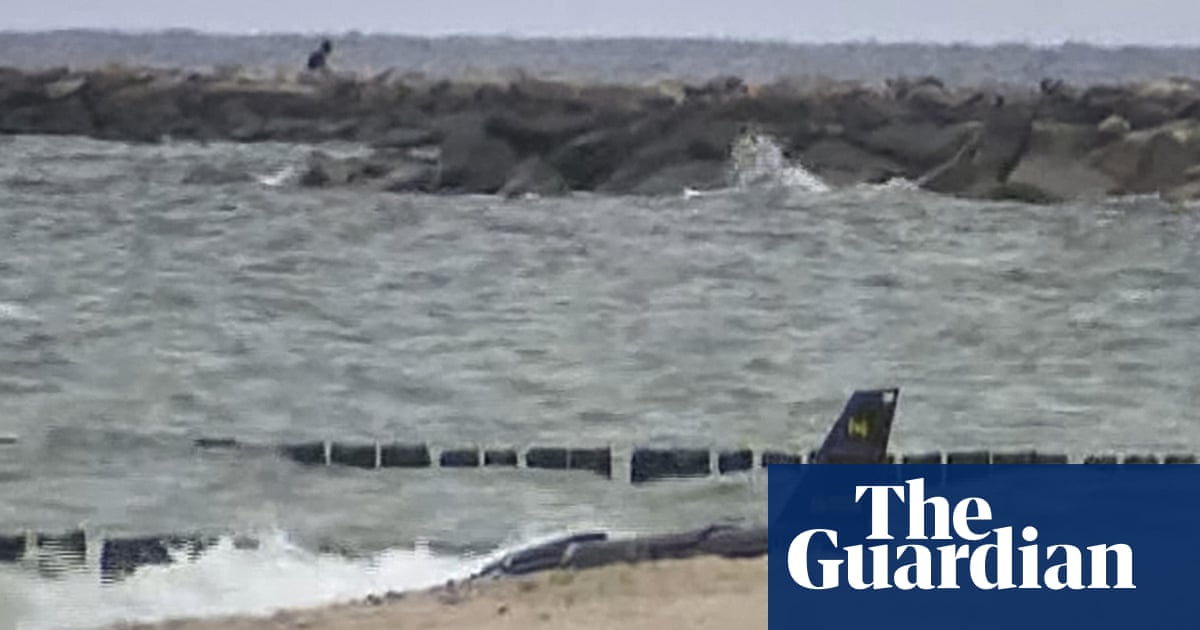
The IRGC reported it struck one vessel with warning fire Sunday after it switched off its tracking and identification systems
and diverted from Iran's approved route. This follows an earlier incident this week where three commercial tankers were attacked while attempting to use a U.S.-recommended route through Omani waters. Iran maintains the only safe
route is one through its own waters.
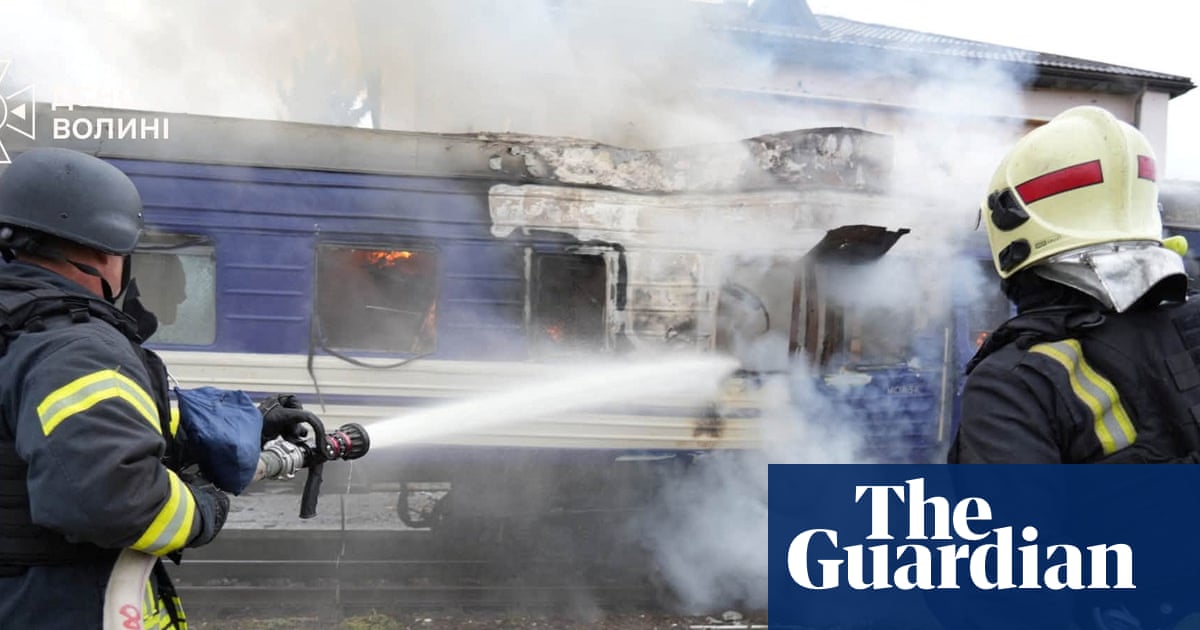
In response, U.S. Central Command announced Saturday night that it launched a third round of strikes against Iran. These strikes, carried out at the behest of President Donald Trump, targeted Iranian capabilities following an IRGC attack on the M/V GFS Galaxy, a Cyprus-flagged container ship. CENTCOM reported the vessel suffered engine room damage and fire, and one crew member is missing.
The waterway is a critical global artery; before the war, roughly one-fifth of the world's oil and natural gas passed through the strait. Iran now insists the route must be under its sole control and that vessels should pay fees to Tehran, despite decades of international recognition of the strait as an international waterway.
Collapse of Ceasefire
The renewed hostilities have jeopardized an interim deal intended to end the war. President Trump declared the ceasefire over on Friday, though he noted that talks would continue. Iranian Foreign Minister Abbas Araghchi accused the U.S. Of violating the deal by ending waivers that allowed Iran to sell crude oil in U.S. Dollars.
Diplomatic efforts continue in Muscat, where Araghchi met with Omani Foreign Minister Sayyid Badr Albusaidi on Saturday to discuss mechanisms for safe ship passage. According to CNN, a draft proposal from Oman suggests free navigation under pre-war conditions through a Southern Corridor in Omani waters, while the Northern Corridor through Iranian waters would require prior approval from Tehran, though no tolls would be imposed.
However, senior U.S. Officials told reporters that Washington is demanding a public statement from Iran acknowledging that all channels of the Strait of Hormuz are open and pledging to stop firing on commercial ships.
Assassination Threats and Retaliation
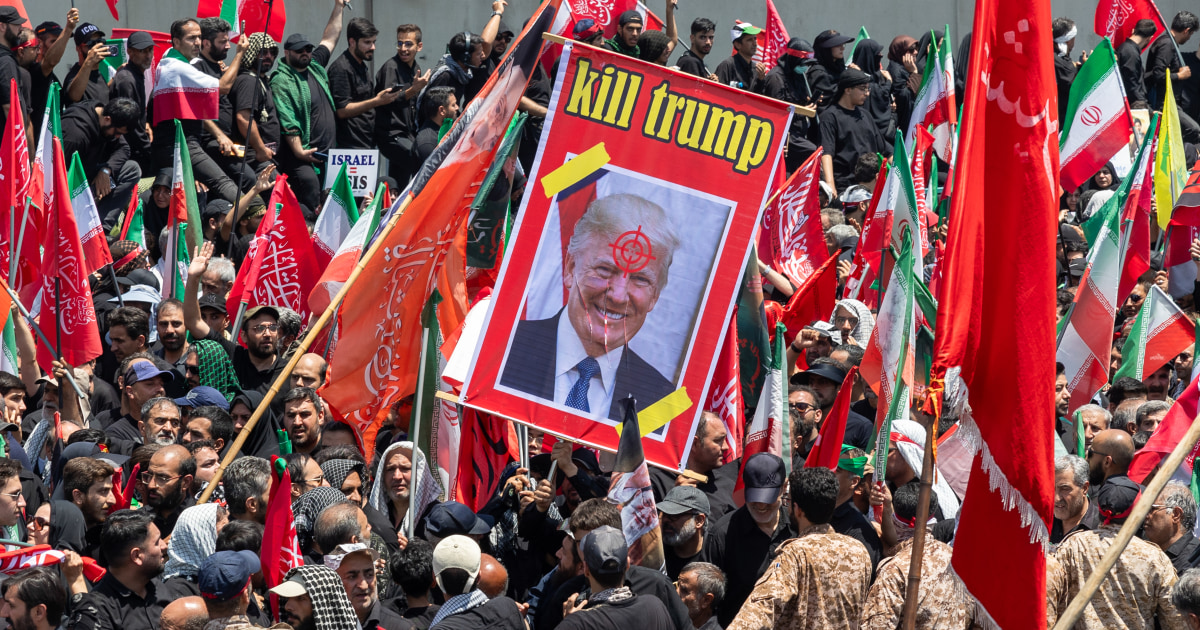
Tensions peaked during the funeral ceremonies for Ali Khamenei, where mourners carried banners calling for the deaths of President Trump and Israeli Prime Minister Benjamin Netanyahu. The Wall Street Journal reported that Israel shared intelligence with Washington regarding a fresh Iranian plot to assassinate the U.S. President.
President Trump responded via Truth Social, claiming he has 1,000 missiles Locked and Loaded and aimed at the Islamic Republic of Iran
, with thousands more to follow if Tehran acts on these threats. He asserted that he has issued instructions to the military to completely decimate and destroy all areas of Iran
in the event of his death.
The president's warnings come amid security concerns regarding his transport. He recently used an older Air Force One jet for part of a return trip from Turkey rather than a newer Qatari-gifted aircraft, which is reportedly lacking some missile detection and countermeasure systems.
Further regional instability persists in Lebanon, where a June 26 framework agreement for Israeli withdrawal from southern Lebanon is being discussed. A U.S. Military delegation met with the Lebanese army in Beirut on Saturday to implement "pilot zones" for the withdrawal.