Trump warns US military will destroy Iran if he is assassinated
President Trump has issued a stark warning to Tehran, claiming instructions are in place for unprecedented military strikes should an assassination attempt be carried out.
- Headline Dispatch: Trump warns US military will destroy Iran if he is assassinated
- Core Takeaway: President Trump has issued a stark warning to Tehran, claiming instructions are in place for unprecedented military strikes should an assassination attempt be carried out.
- Source Synthesis: Continuous live monitoring aggregated across major news wires and independent bureaus.
Trump warns US military will destroy Iran if he is assassinated
President Donald Trump has warned that the United States military is prepared to completely decimate and destroy all areas of Iran
for a period of one year, subject to extension, should the Iranian government carry out an assassination attempt against him.
In a late-night post on Truth Social on Friday, Trump stated that 1000 Missiles are Locked and Loaded
and aimed at the Islamic Republic, with thousands more to follow. The president claimed he has already given the orders and told the New York Post that he has left instructions
to bomb Iran at levels that they've never seen before
if he is killed, asserting he has been No. 1
on Tehran's target list for a long time.
These threats follow reports from The Wall Street Journal and CNN that Israeli intelligence shared information with the U.S. Regarding a fresh
Iranian plot to assassinate the president.
Funeral chants and vows of vengeance
The escalation occurs as Iran concludes funeral ceremonies for its former Supreme Leader, Ayatollah Ali Khamenei, who was killed in a U.S.-Israeli airstrike on February 28. During these events, mourners carried banners stating We Will Kill Trump
and chanted for his death. In a statement published by state media, the new Supreme Leader, Ayatollah Mojtaba Khamenei, declared that avenging his father's blood is the demand of the nation
and must certainly
take place.
Mojtaba Khamenei has not appeared in public since his appointment on March 8. Senior sources in Tehran report he suffered debilitating injuries and facial disfigurement in the strike that killed his father. He has issued written statements but no video or voice recordings have been released.
The battle for the Strait of Hormuz
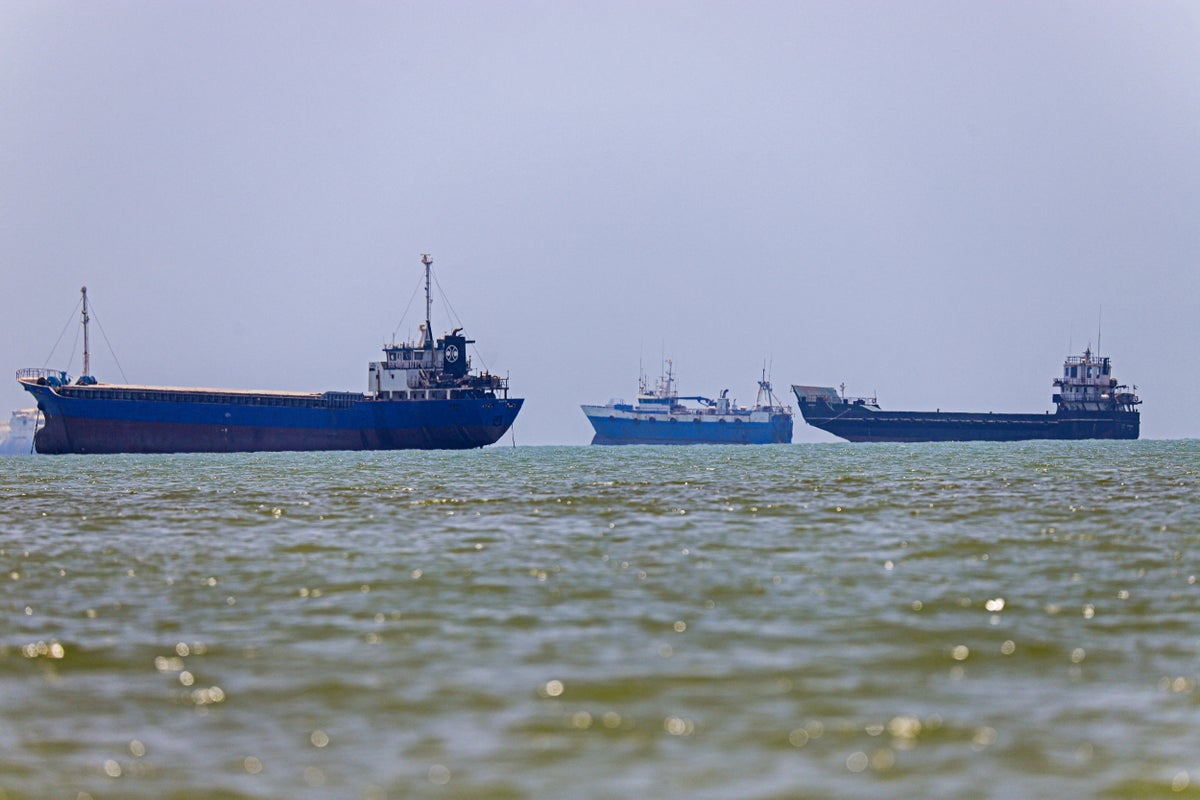
The broader conflict has seen a fragile ceasefire collapse this week after Iran struck three commercial ships in the Strait of Hormuz. In response, the U.S. Military conducted strikes over two consecutive nights targeting Iranian ports, islands, and infrastructure. Iran's Ministry of Health reported that U.S. Strikes on Wednesday and Thursday killed 17 people and injured 115 across six cities.
Tensions center on the Islamabad memorandum of understanding (MoU), signed in June 2026. Indirect diplomacy continues via Qatari mediators. On Saturday, Iranian Foreign Minister Abbas Aragchi met with Omani Foreign Minister Badr bin Hamad Al Busaidi in Muscat to discuss the safe passage of ships.
A primary point of contention is Article 5 of the MoU. The U.S. And Iran disagree on the wording:
- Iran's position: Ships should follow a route hugging the Iranian coast.
- U.S. Position: A separate route along the Omani coast should be used.
Regional and economic fallout
Diplomatic efforts to de-escalate continue. Pakistan's Deputy Prime Minister Mohammad Ishaq Dar and Saudi Foreign Minister Prince Faisal bin Farhan Al Saud held a phone call Saturday, agreeing that the conflict serves no one's interest
. Meanwhile, U.S. Negotiators—including Vice President JD Vance, Secretary of State Marco Rubio, and envoys Jared Kushner and Steve Witkoff—are reportedly continuing discussions with Tehran.
Further instability persists in southern Lebanon, where the Israeli military reported killing several alleged Hezbollah members on Saturday. This occurs as a U.S. Delegation meets with the Lebanese army in Beirut to implement a framework agreement from June 26 for Israeli withdrawal from certain pilot zones
.
How significant is this development?
Participate in our community survey on the trajectory and real-world impact of this news.