US and Iran exchange strikes as Tehran again says strait of Hormuz is closed
US forces have targeted Iranian military sites following IRGC attacks on commercial ships. The escalation risks collapsing a 60-day diplomatic window for a nuclear deal.
- Headline Dispatch: US and Iran exchange strikes as Tehran again says strait of Hormuz is closed
- Core Takeaway: US forces have targeted Iranian military sites following IRGC attacks on commercial ships. The escalation risks collapsing a 60-day diplomatic window for a nuclear deal.
- Source Synthesis: Continuous live monitoring aggregated across major news wires and independent bureaus.
US and Iran exchange strikes as Tehran again says strait of Hormuz is closed
The United States and Iran have resumed military exchanges following a new Iranian declaration that the Strait of Hormuz is closed, intensifying a volatile period that has seen a tenuous ceasefire agreement nearly collapse.
The escalation began Saturday when Iran’s Islamic Revolutionary Guard Corps (IRGC) fired at a Cyprus-flagged container ship, identified by U.S. Authorities as the M/V GFS Galaxy. The IRGC stated the vessel was struck after traveling on an unapproved route
and disabling its tracking systems. U.S. Central Command reported the ship suffered significant engineroom damage
and an onboard fire, leaving one civilian crew member missing.
In response, U.S. Forces launched a third round of strikes against Iran this week starting at 7:15 pm ET on Sunday. Military officials stated the operations aimed to degrade Iran’s ability to attack civilian mariners and commercial ships freely transiting the strait
.
Military Impacts and Casualties
The U.S. Strikes targeted a variety of strategic sites, including:
- Air and surface surveillance radars
- Missile and drone storage and launch sites
- Surface-to-air missile launchers
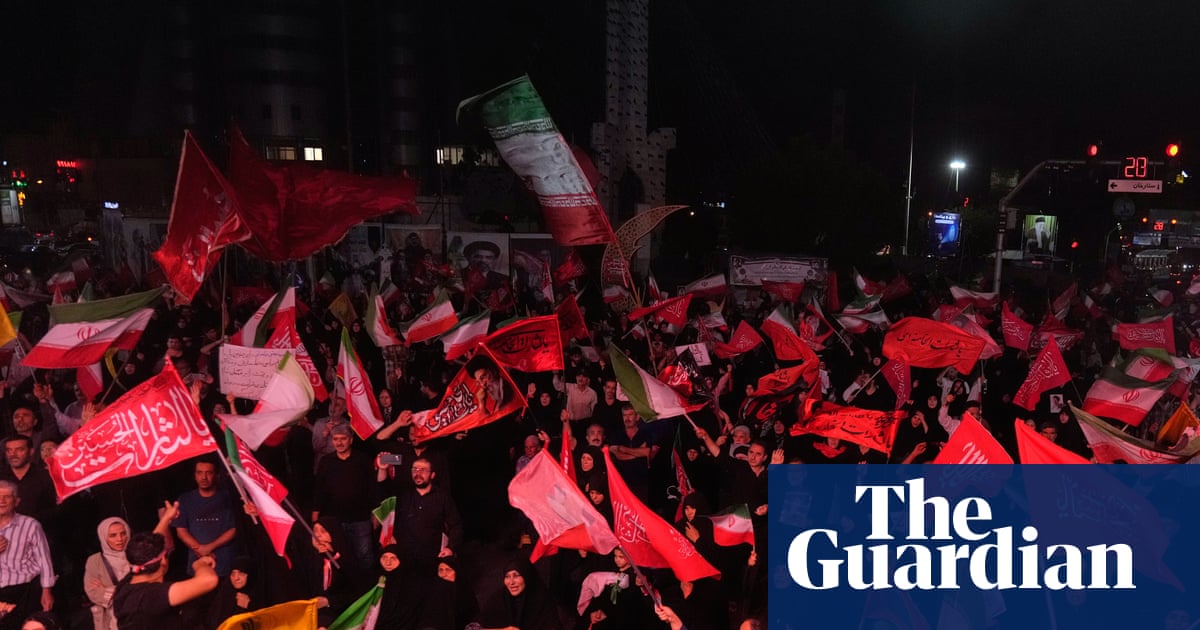
Reports from Iran's IRIB state broadcaster indicated explosions in southern port cities, including Bandar Abbas, Sirik, and Chabahar. At least 12 explosions were reported in Bushehr province, home to the Bushehr Nuclear Power Plant. Hossein Kermanpour, a spokesperson for the Iranian Health Ministry, said strikes over two days killed at least 17 people and wounded 115 others.
This follows earlier retaliatory strikes on Wednesday after three other ships—including a Saudi crude oil tanker and a Qatari liquefied natural gas tanker—were hit. During that operation, U.S. Forces hit roughly 90 military targets, including at least 60 IRGC boats.
A Fragile Diplomatic Truce
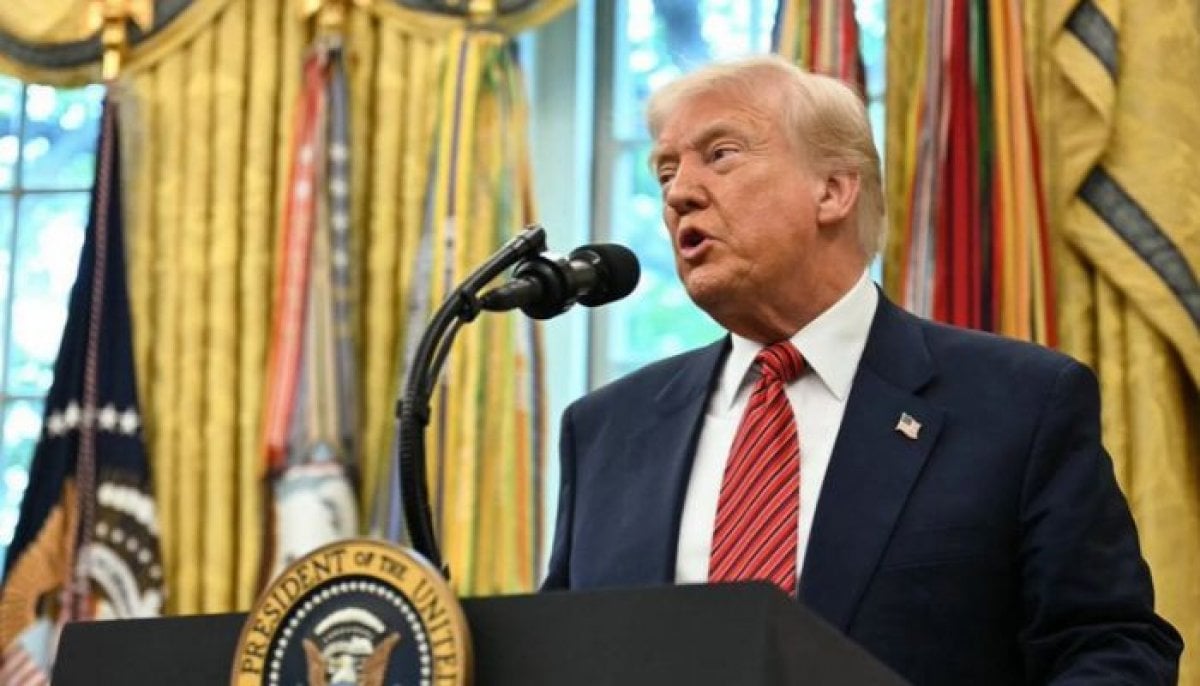
The current violence threatens an interim agreement signed earlier this week by U.S. President Donald Trump and Iranian President Masoud Pezeshkian. The deal established a 60-day window to reach a final nuclear agreement and called for the termination of military operations on all fronts, including in Lebanon.
However, President Trump has declared the Cease Fire is OVER!
, though he indicated the U.S. Would continue negotiations. He further threatened to impose American tolls in the strait if a final deal is not reached within 60 days, calling the potential funds services rendered as the Guardian Angel to the countries of the Middle East
.
Iran has linked the reopening of the strait to a comprehensive ceasefire in Lebanon. The IRGC accused the U.S. Of breaching the Memorandum of Understanding by failing to end the war. Simultaneously, Iranian Foreign Minister Abbas Araghchi accused Washington of violating the deal by ending waivers that allowed Iran to sell crude oil in U.S. Dollars.
The Lebanon Connection and Regional Tensions
The conflict is further complicated by ongoing clashes between Israel and the Iran-backed Hezbollah militia. Lebanese health officials report that 4,057 people have been killed since the conflict restarted on 2 March. On Saturday, Israeli strikes in Lebanon killed at least 47 people, according to the health ministry, while the IDF reported striking 80 targets linked to Hezbollah.
The broader war began on 28 February with US-Israeli strikes that killed the then supreme leader, Ali Khamenei. His successor, Mojtaba Khamenei, vowed in his first written message since his father's funeral that vengeance is the will of our nation and must inevitably be carried out
, stating that Iran has compiled a list of targets.
In response to threats against his own life, President Trump posted on Truth Social that 1000 missiles are locked and loaded
and aimed at Iran, with thousands more to follow should the Iranian government attempt to assassinate him.
Ongoing Negotiations
Despite the strikes, high-level talks began Sunday in Bürgenstock, Switzerland. The Iranian delegation includes Parliamentary Speaker Mohammad Bagher Ghalibaf and Foreign Minister Abbas Araghchi. U.S. Vice President JD Vance arrived Sunday morning, meeting with Pakistan's Prime Minister Shehbaz Sharif and army chief Field Marshal Asim Munir, who are acting as mediators.
While Iran claims the Strait of Hormuz is closed until further notice
, U.S. Central Command spokesperson Tim Hawkins disputed this, stating traffic continues to flow
. Centcom reported that 55 merchant ships transited the strait on Saturday, carrying more than 17 million barrels of oil.
Separate diplomatic efforts continue in Oman, where a proposal has been drafted to create two transit corridors: a southern route through Omani waters with free navigation, and a northern route through Iranian waters requiring prior approval.
How significant is this development?
Participate in our community survey on the trajectory and real-world impact of this news.