Iran strikes US bases in Bahrain and Jordan as US continues attacks
Iran has launched drone strikes against US military facilities in Bahrain and Jordan in retaliation for a continuous US bombing campaign. The conflict has expanded to include Houthi naval blockades and surging oil prices.
Iran strikes US bases in Bahrain and Jordan as US continues attacks
Iran launched drone strikes against American military facilities in Bahrain and Jordan on Friday, July 24, in retaliation for a continuous campaign of U.S. Airstrikes. The attacks targeted the Isa Air Base in Bahrain and the Al-Azraq base in Jordan, with the Iranian army claiming to have hit fuel tanks, silos, aircraft hangars, and barracks using Arash kamikaze drones
.
The escalation follows the U.S. Military completing its 13th consecutive night of strikes against Iran. U.S. Central Command stated these operations aim to diminish the threat Iran poses to civilian mariners and commercial vessels transiting the Strait of Hormuz
and hold the Islamic Revolutionary Guard Corps (IRGC) accountable.
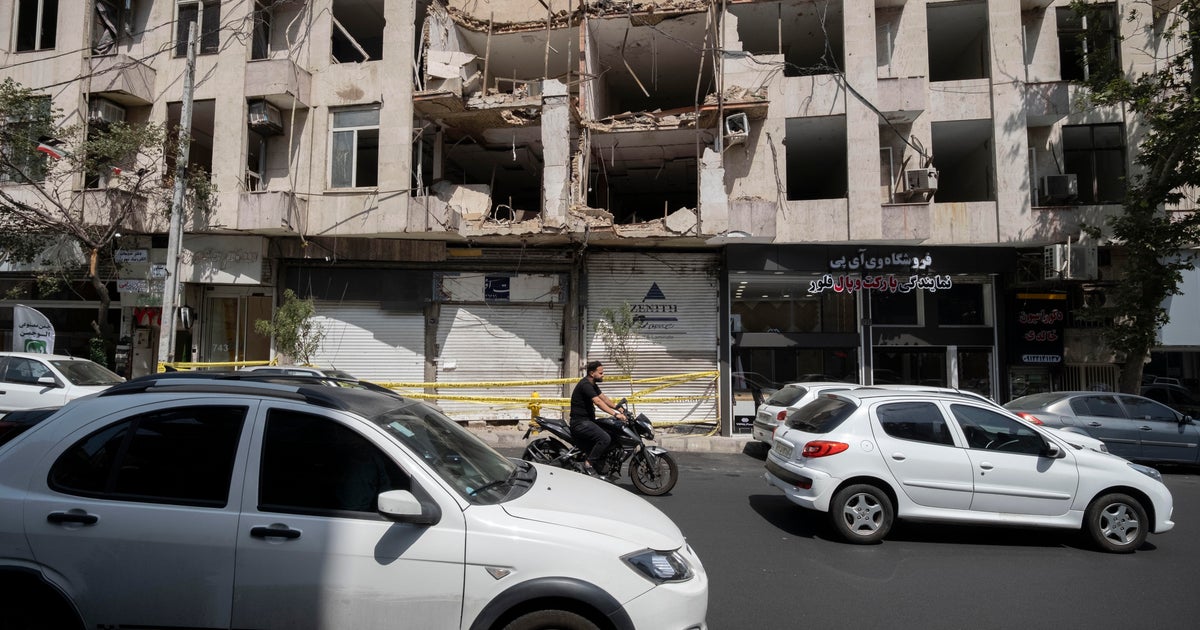
In the southwestern province of Khuzestan, Iranian state media reported that an overnight missile attack near the city of Ahvaz killed at least four people and injured five others. The Iranian Health Ministry reported a broader toll from recent U.S. Strikes, stating 55 people have been killed and 645 injured, with the highest casualties recorded in Khuzestan, Hormozgan, and Sistan-Baluchestan.
Regional Escalation and Maritime Blockades
The conflict has expanded to the Red Sea after Iran-backed Houthi rebels in Yemen claimed to have struck two Saudi oil tankers, the Encelia and the Layla, on Wednesday. The Encelia reportedly caught fire on its bow after being hit by a missile near the Saudi port of Jizan. The Houthis have declared a naval blockade of all Saudi vessels attempting to use the Bab el-Mandeb Strait.
President Trump responded on Truth Social, warning that if the Houthi rebels repeat these attacks, both the rebels and Iran will face major military punishment
. According to Axios, the president is considering a massive attack
that is bigger than ever before
, stating that the Iranian regime has not received enough pain yet
.
The maritime instability has caused global oil prices to spike, with Brent crude crossing $100 a barrel on Thursday. This volatility stems from threats to two critical chokepoints: the Strait of Hormuz, which handles roughly 20% of seaborne oil trade, and the Bab el-Mandeb Strait. To mitigate this, Gulf countries are planning billions of dollars in pipeline projects to bypass the Strait of Hormuz.
Diplomatic and Internal Pressures
The geopolitical fallout has led the United Kingdom to withdraw all remaining diplomatic staff from Iran. The British government noted the embassy will continue to operate remotely. Meanwhile, the U.N. High Commissioner for Human Rights, Volker Türk, has called for the urgent evacuation of approximately 6,000 sailors stranded in the Strait of Hormuz.
Inside the U.S., the war has created political and military tension:
- Munitions Stockpiles: U.S. Military and intelligence officials told CBS News that the rapid expenditure of precision-guided weapons and air-defense interceptors is raising concerns about readiness for potential conflict in the Indo-Pacific.
- Legislative Conflict: On Thursday, the House voted 214 to 208 to direct President Trump to end the war without express congressional authorization. However, a similar effort failed to advance in the Senate.
- Financial Disputes: President Trump asserted that
any and all damages
to ships struck by Iran will be paid for using frozen Iranian assets. Iranian Foreign Minister Abbas Araghchi condemned this, stating that normalizing such confiscations meansno one’s assets are safe
.
Additional Military Developments
The IRGC claimed to have destroyed an Amazon data center in Bahrain, alleging it provided intelligence support to the U.S. Military.
Casualty reporting remains a point of contention. The Pentagon recently removed four service members from its official war death toll—including three killed in Jordan—stating their deaths occurred after a ceasefire was declared in April. However, the Pentagon's casualty-tracking website had previously included them, leading to reports of data disruptions.
As the conflict continues, the U.S. Is surging more than 150 additional medical personnel to Germany to support wounded service members at the Landstuhl Regional Medical Center.