NY Attorney General Letitia James named special prosecutor in Cornell case
New York Governor Kathy Hochul appointed state Attorney General Letitia James as special prosecutor in a 2024 Cornell University fraternity gang-rape case, stripping the local district attorney of jurisdiction.
- Headline Dispatch: NY Attorney General Letitia James named special prosecutor in Cornell case
- Core Takeaway: New York Governor Kathy Hochul appointed state Attorney General Letitia James as special prosecutor in a 2024 Cornell University fraternity gang-rape case, stripping the local district attorney of jurisdiction.
- Source Synthesis: Continuous live monitoring aggregated across major news wires and independent bureaus.
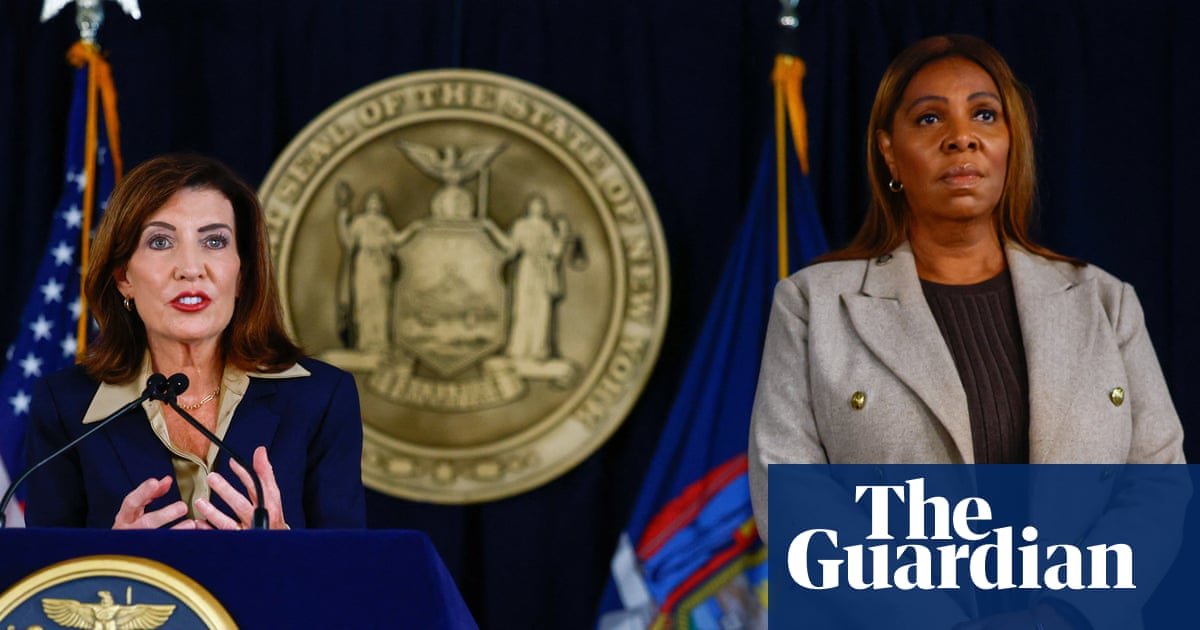
New York Governor Kathy Hochul announced the appointment of state Attorney General Letitia James as special prosecutor to take over an alleged gang-rape case at Cornell University. The intervention strips the local prosecutor of jurisdiction following widespread public outcry and a civil lawsuit that thrust the Ivy League campus into the national spotlight.
Speaking alongside James at a press conference, Governor Hochul delivered harsh criticism of the handling of the 2024 case by campus police and local authorities. In what world would the police learn from a victim that she’d been literally gang-raped while intoxicated by five men in a fraternity house, and not elevate those allegations to the district attorney?
Hochul said.
Background of the Allegations and Legal Actions
The controversy stems from an incident in October 2024 at a fraternity house on the Ithaca campus in upstate New York. A former student, identified in court documents as Jane Doe, filed a civil lawsuit alleging she was drugged and repeatedly assaulted over several hours. The lawsuit names seven fraternity members, the university, and the Chi Phi fraternity, asserting that one defendant circulated a social media invitation to more than fifty fraternity members.
Following the civil filing, Tompkins County District Attorney Matthew Van Houten initially defended his office's earlier decision not to pursue criminal charges. Van Houten stated that the victim's initial statement to campus police did not indicate she had been forcibly assaulted, drugged, or rendered incapable of giving consent. He later acknowledged relying on a report written by a campus police officer rather than interviewing the accuser directly, adding that he had never seen her detailed account until recently.
| Entity | Initial Response | Subsequent Action |
|---|---|---|
| Tompkins County DA | Declined to prosecute in 2024 | Reopened investigation after civil suit; stripped of case by executive order |
| Cornell University | Disciplined/expelled students; suspended Chi Phi | Agreed to independent external review and outside legal counsel |
| State of New York | Monitored campus proceedings | Appointed AG Letitia James as special prosecutor via executive order |
Institutional Response and Campus Fallout
Cornell University faced intense scrutiny from students, faculty, and alumni over its internal disciplinary measures. While two members of the Chi Phi fraternity were expelled and others faced short suspensions or were required to write essays, no arrests were made initially, and no criminal charges were brought prior to the state's intervention. In response to mounting pressure, Cornell indefinitely suspended the Chi Phi fraternity and agreed to hire external legal counsel to conduct an independent review of its handling of the allegations.
The campus climate reached a boiling point during a forum organized by the student government, where students and community members voiced frustration over institutional transparency and support for survivors. Hayden Watkins, executive vice president of the Student Assembly, described the situation as a broader systemic issue. People kind of put Cornell on this pedestal because we are an elite institution,
Watkins said. But if it’s happening at places like Cornell, it’s happening on college campuses all across the country.
Legal Hurdles and State-Level Reforms
Governor Hochul highlighted what she described as a significant gap in New York state law regarding sexual assault allegations involving voluntary intoxication. She argued that current statutes make it exceedingly difficult to secure convictions when victims have voluntarily consumed alcohol or drugs. If someone is too intoxicated to consent, it should not matter whether they chose to use drugs or alcohol,
Hochul said. Voluntary intoxication is not a license for sexual assault or gang-rape. Period.
Attorneys representing the parties involved have expressed divergent views on the state takeover. Thomas Giuffra, counsel for Jane Doe, welcomed the governor's decision, telling reporters that his client and her legal team held zero confidence in the local district attorney's office. Meanwhile, lawyers representing the accused fraternity members have denied the allegations, with some asserting their clients never touched the complainant or that the sexual contact was consensual.
Next Steps
Under the executive order signed by Governor Hochul, Attorney General Letitia James will direct a comprehensive review of the investigation and present evidence to a grand jury if warranted. James stated that her primary focus remains the criminal investigation itself rather than auditing the prior actions of the local prosecutor's office. Cornell University stated its full cooperation with the state-led inquiry as external investigators begin reviewing the campus mechanisms that governed the initial reports.
How significant is this development?
Participate in our community survey on the trajectory and real-world impact of this news.