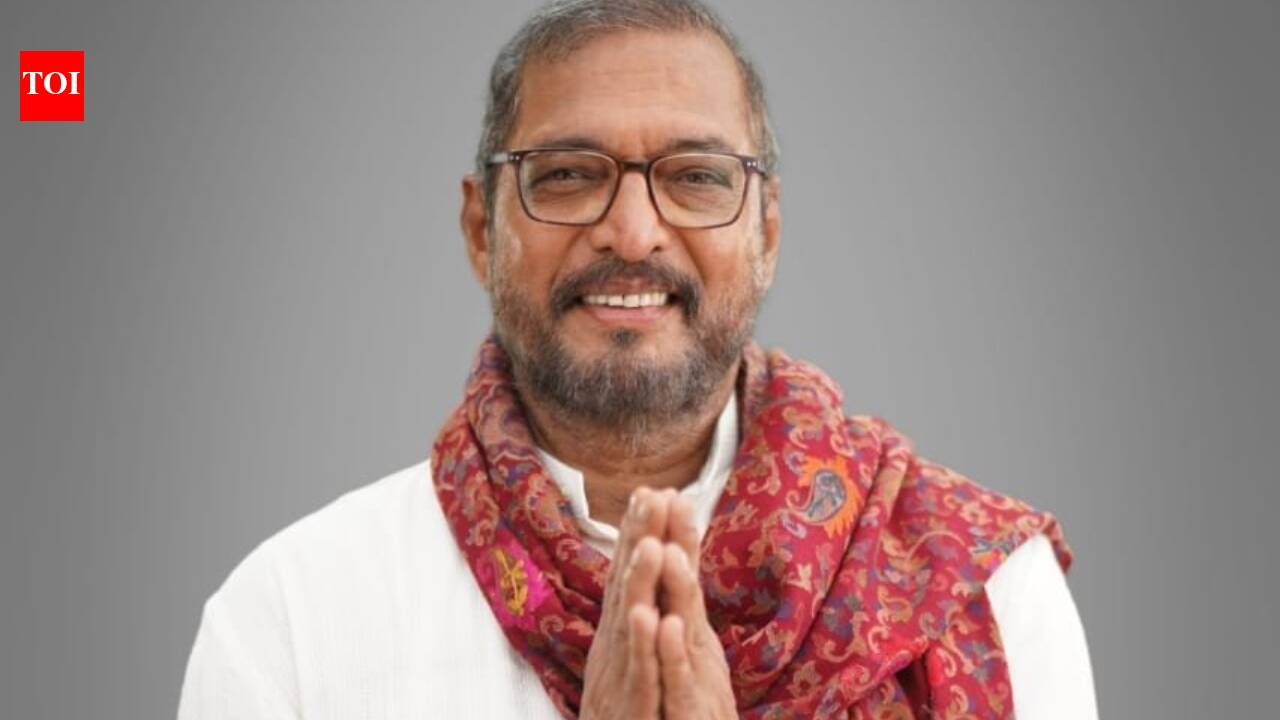
Navi Pillay wins 2026 Nobel Peace Prize for international law work
Navanethem Navi Pillay has been awarded the 2026 Nobel Peace Prize by the Norwegian Nobel Committee for her career in international law and human rights.
- Headline Dispatch: Navi Pillay wins 2026 Nobel Peace Prize for international law work
- Core Takeaway: Navanethem Navi Pillay has been awarded the 2026 Nobel Peace Prize by the Norwegian Nobel Committee for her career in international law and human rights.
- Source Synthesis: Continuous live monitoring aggregated across major news wires and independent bureaus.

Renowned South African jurist Navanethem "Navi" Pillay has been awarded the 2026 Nobel Peace Prize. According to the Norwegian Nobel Committee, the recognition honors her lifelong efforts to promote peace and international law, as well as her role in ensuring the prosecution of entities and individuals involved in war crimes and genocide across the globe.
The committee praised Pillay for possessing a firm moral compass
and noted that she has significantly enlarged the scope and impact of international law. The award serves as a tribute to an entire life's work rather than a single action, highlighting how legal mechanisms help prevent violence and hold perpetrators accountable.
Early Life and Legal Career Under Apartheid
Born on September 23, 1941, in Clairwood, Durban, within South Africa's Natal province, Pillay grew up in a family of Indian Tamil origin. Her grandparents had migrated to South Africa during the 1890s, and her father worked as a bus driver in a household of eight children. Growing up under apartheid, Pillay experienced racial discrimination firsthand.
Her earliest encounter with the legal system occurred at age five, when she testified in court after being robbed of her father’s monthly wage of 5 pounds, which her mother had entrusted to her. Although the criminal was convicted, the money was never returned.
Pillay studied at the University of Natal, earning a Bachelor of Arts in 1963 and an LLB in 1965. Because of apartheid, non-white students shared limited resources. Barred from entering judges' chambers due to her skin color, she spent two years as an attorney under NT Naikar—who was frequently under house arrest—and fought for the rights of detained anti-apartheid activists. She later pursued advanced studies at Harvard University, earning a Master of Laws and becoming the first South African to earn a Doctor of Juridical Science from the institution in 1988.
Global Judicial Leadership and Precedents
Following the end of apartheid, President Nelson Mandela nominated Pillay to the High Court of South Africa in 1995. Her career subsequently expanded to prominent international tribunals and United Nations bodies.
| Institution / Role | Dates / Tenure | Key Contributions |
|---|---|---|
| High Court of South Africa | Appointed 1995 | Nominated by President Nelson Mandela after defending anti-apartheid activists. |
| International Criminal Tribunal for Rwanda (ICTR) | 1995–2003 (President 1999–2003) | Set international legal precedents recognizing rape as genocide and a crime against humanity; addressed media incitement. |
| International Criminal Court (ICC) | 2003–2008 | Served as a judge upholding global criminal accountability and international jurisprudence norms. |
| United Nations High Commissioner for Human Rights | 2008–2014 | Led the UN human rights office, holding states and national leaders accountable. |
| UN Commission of Inquiry on the Occupied Palestinian Territory | July 2021–2025 | Chaired inquiry concluding Israel was responsible for genocidal acts in Gaza. |
| International Court of Justice (ICJ) | Present | Serving as an ad hoc judge in Gambia v. Myanmar regarding Rohingya genocide allegations. |
During her tenure at the Rwandan tribunal, Pillay's work established a vital legal precedent by recognizing rape and sexual violence as forms of genocide and crimes against humanity. Her involvement in trials such as that of Ferdinand Nahimana, Jean-Bosco Barayagwiza, and Hassan Ngeze was also crucial in identifying the media's role in inciting violence.
Context of the Award and Contemporary Legal Challenges
In announcing the prize, the Norwegian Nobel Committee emphasized that international law is an absolute necessity during a period marked by more wars and conflicts than the world has seen in a long time. The committee noted that peace requires justice, and that judges and international judicial institutions face growing attacks, sanctions, and pressure.
Pillay's recent work includes chairing the UN Independent International Commission of Inquiry on the Occupied Palestinian Territory from July 2021 until her departure in 2025. Presenting the commission's findings to a UN General Assembly committee, she stated that the legal analysis concluded Israel is responsible for genocidal acts in Gaza with the specific intent to destroy Palestinians, and that top Israeli officials incited genocide. She currently serves as a judge at the International Court of Justice in proceedings concerning allegations that Myanmar committed genocide against the Rohingya minority.
Next Steps
Pillay's recognition arrives while the ICJ's Myanmar genocide case remains before the court. Observers and international legal bodies will closely watch how the honor influences global conversations surrounding international law, and how governments and judicial institutions respond to the pressures facing global jurisprudence in the months ahead.
How significant is this development?
Participate in our community survey on the trajectory and real-world impact of this news.