Putin admits Ukrainian strikes driving Russian fuel shortages
President Vladimir Putin acknowledged that Ukrainian attacks on energy infrastructure have triggered fuel deficits and emergency measures in regions like Crimea.
- Headline Dispatch: Putin admits Ukrainian strikes driving Russian fuel shortages
- Core Takeaway: President Vladimir Putin acknowledged that Ukrainian attacks on energy infrastructure have triggered fuel deficits and emergency measures in regions like Crimea.
- Source Synthesis: Continuous live monitoring aggregated across major news wires and independent bureaus.
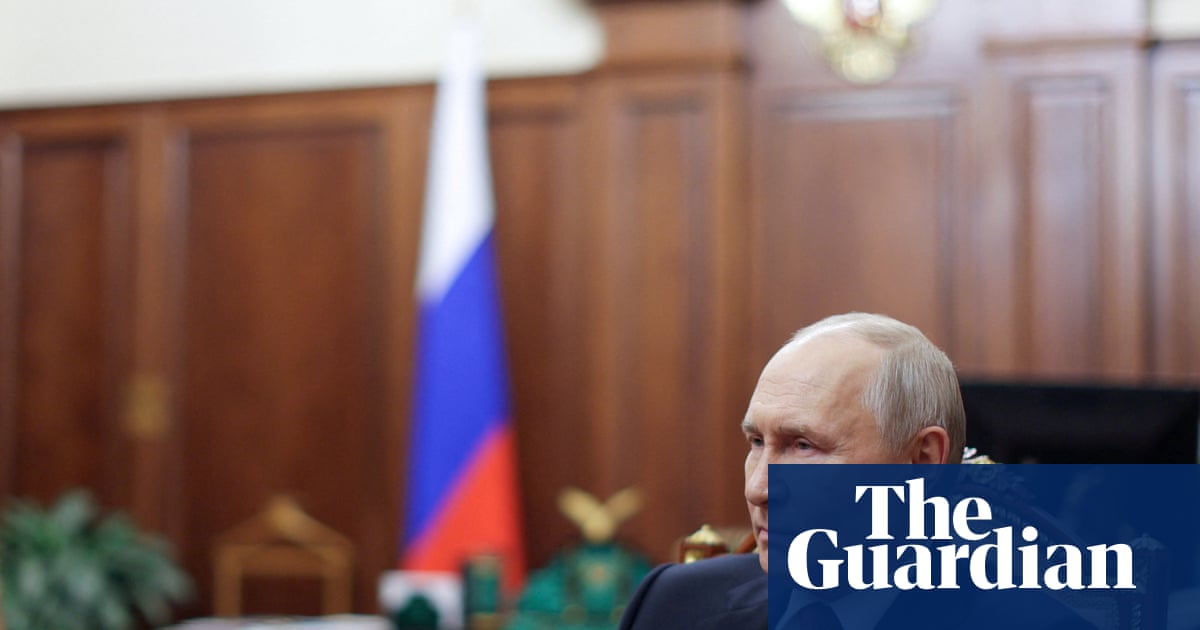
Putin admits Ukrainian strikes driving Russian fuel shortages
President Vladimir Putin has acknowledged for the first time that Ukrainian drone attacks on energy infrastructure have caused a certain shortage
of fuel within Russia. In an interview published by the Kremlin on Sunday, Putin stated that strikes against critical and energy infrastructure create obvious
problems, though he maintained the situation is not critical
.
The admission follows an intensification of Ukrainian medium- and long-range drone campaigns targeting the Russian oil sector. On Sunday, Ukrainian President Volodymyr Zelenskyy confirmed hits on two facilities: the Slavyansk oil refinery in the Krasnodar region, located about 300km from the frontline, and a refinery in the Yaroslavl region, approximately 700km from the Ukrainian border.
Regional governor Veniamin Kondratyev reported that the strike in the Krasnodar region killed one person and sparked a refinery fire. Zelenskyy described these as long-range sanctions
designed to weaken the resources serving the Russian war machine.
Domestic Impact and Emergency Measures
The fuel deficit has manifested in widespread shortages and queues at gas stations. In the Siberia region of Irkutsk, governor Igor Kobzev announced that drivers at state-run Rosneft stations are limited to buying no more than 50 liters of fuel per vehicle per day.
The situation is most acute in Crimea, which Russia annexed in 2014. On Friday, authorities in the peninsula declared an emergency situation
due to power cuts and fuel shortages triggered by attacks on oil facilities and logistics chains. Last weekend, officials there suspended gasoline sales to civilians.
Addressing a meeting with senior officials on fuel distribution, Putin noted that problems for drivers and for businesses persist
. He detailed the following response measures:
- Reserves: Russia is currently using gasoline reserves, which stand at 1.7 million metric tons.
- Production: July production levels are expected to exceed those recorded in June.
- Export Restrictions: Putin stated that a
complete ban on the export of diesel fuel is being considered
to ensure supplies for the farm sector and harvest. However, Deputy Prime Minister Alexander Novak previously stated there was no need for such a ban. - Defense: A primary task is to
quickly and significantly ramp up production
of necessary air defense systems.
Battlefield and Diplomatic Context
Despite the infrastructure damage, Putin claimed the strikes absolutely do not affect the situation on the front
. This comes as Russian forces attempt to infiltrate the outskirts of Kostiantynivka, a key stronghold in Ukraine's eastern defensive line. Analysts from the Black Bird conflict analysis team in Finland suggest that while mid-range strikes have weakened Russian logistics, they have not forced Moscow to suspend its offensive.
Putin also revealed that Kyiv recently proposed a halt on deep strikes and suggested limiting fighting to the four regions Russia claims to have annexed: Donetsk, Luhansk, Kherson, and Zaporizhzhia. Putin rejected this, claiming the proposal was a move to relieve pressure on Ukrainian forces who face a catastrophic shortage of personnel
.
On the diplomatic front, Putin discussed peace proposals from the United States, noting that while no formal agreement was signed during talks in Anchorage in August last year, certain possibilities for ending the conflict were discussed. He suggested that Belarusian President Alexander Lukashenko could assist with future peace talks.
The current crisis persists as both sides continue heavy aerial combat. Russia's Defense Ministry reported shooting down 213 Ukrainian drones over the night of Sunday, while the Ukrainian air force stated it intercepted 125 drones and seven missiles from a Russian barrage.
How significant is this development?
Participate in our community survey on the trajectory and real-world impact of this news.