Trump threatens to bomb Iranian infrastructure over Strait of Hormuz attacks
The U.S. warns of targeted strikes on Iranian infrastructure as tensions soar over commercial shipping attacks in the Strait of Hormuz, driving Brent Crude to $95.
Trump threatens to bomb Iranian infrastructure over Strait of Hormuz attacks
President Trump announced Wednesday that the United States will bomb and destroy
one Iranian bridge or power plant for every new attack by Iran on a ship in the Strait of Hormuz. The threat, delivered via a post on Truth Social, specifically includes targets located in or near the capital city of Tehran.
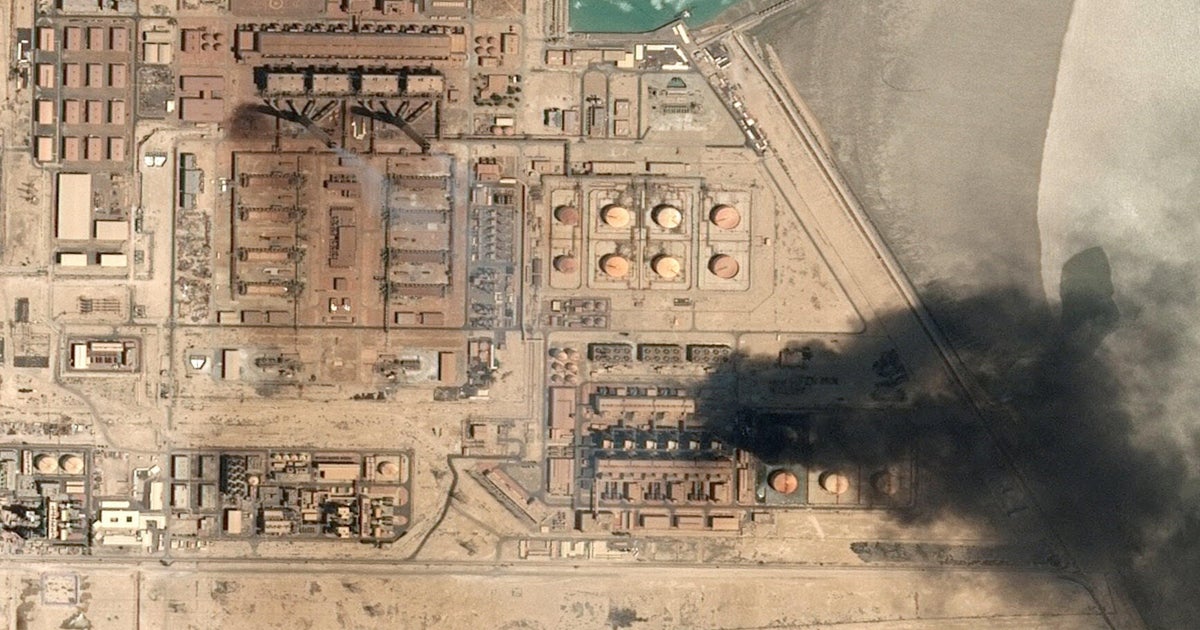
The escalation follows an 11th consecutive night of U.S. Bombing strikes against Iranian military logistics infrastructure, aircraft hangars, and drone operations centers. U.S. Central Command stated these strikes are intended to degrade Iran's ability to threaten commercial shipping, noting that Iran has attacked more than 30 commercial vessels in the strait over the past three months.
Iran responded quickly through the semi-official Tasnim news agency, citing a military source who warned that if the U.S. Targets bridges or power plants, Tehran will retaliate by striking regional infrastructure and bridges, including energy facilities where the U.S. Has interests. Interior Ministry spokesperson Ali Zeynivand asserted that the Strait of Hormuz belongs to us
and that Iran will not seek alternative routes.
Casualties and Military Strikes
The conflict has resulted in the deaths of 18 U.S. Service members since the war began on February 28. On Wednesday, President Trump attended a dignified transfer at Dover Air Force Base for four service members killed recently:
- Lt. Tyler James Feehan, 25, killed July 18 at Muwaffaq Salti Air Base in Jordan.
- Pvt. Isabella Gonzales, 19, killed July 17 at Muwaffaq Salti Air Base.
- Sgt. Angel S. Rampersad, 28, previously missing in action, also killed at Muwaffaq Salti Air Base.
- Sgt. Michael Emmanuel Swinton, 30, killed at Erbil Air Base in Iraq during a controlled detonation of an Iranian drone.
Iranian officials report a different toll. Hossein Kermanpour of the Iranian Ministry of Health stated that U.S. Strikes killed 53 people and injured 592 between June 27 and July 22, including six women and three children.
Military activity has expanded across the region. Iran's Revolutionary Guard claimed it destroyed eight MQ-9 drones and damaged two heavy helicopters at the King Faisal and Prince Hassan bases in Jordan. Jordan's armed forces reported intercepting four Iranian missiles on Wednesday, while two others landed in uninhabited areas. The European Union's Aviation Safety Agency has warned airlines against flying in Jordanian airspace due to the rapid deterioration of security since mid-July 2026.
Global Energy and Economic Impact
The instability has pushed oil prices up. Brent Crude touched $95 a barrel on Wednesday, a $20 increase since fighting resumed on July 7. U.S. Gasoline prices have climbed back over $4 a gallon.
While CENTCOM insists the Strait of Hormuz remains open, maritime data suggests otherwise. The Joint Maritime Information Center in Bahrain reported that commercial traffic hit a three-week low on Tuesday. CBS News tracked only three commercial ships transiting the strait that day. Dimitris Maniatis, CEO of Marisks, stated that large, internationally operated merchant vessels are currently not passing through due to the breakdown of the U.S.-Iran memorandum of understanding.
Further risk has emerged at the Bab el-Mandeb strait. Iranian-allied Houthi rebels in Yemen have threatened to block Saudi oil exports, causing seven tankers to change course on Tuesday. President Trump stated he would take care of
the rebels if they block access to Saudi Red Sea ports.
Diplomatic Strains and Secret Deals
Diplomatic efforts remain contradictory. President Trump claimed Iran desperately
wants to meet, but Hasan Ghashghavi, a spokesperson for the Iranian parliament's National Security Commission, called that claim completely unfounded
and suggested Trump is in a quagmire
.
Despite the hostility, a regional official told CBS News that the U.S. And Saudi Arabia have reached a commercial agreement for U.S. Companies to operate nuclear power on Saudi soil to support needs such as AI data centers. The deal, which may allow Saudis to enrich their own fuel, was expected to be signed Wednesday at 1:30 p.m.
In other regional developments, Italy is scheduled to host a seventh round of direct talks between Israel and Lebanon on Aug. 4 to pursue a peace deal and end the war with Hezbollah. Lebanese Prime Minister Nawaf Salam stated Beirut is working toward a complete Israeli withdrawal from occupied areas.
Financial Cost
Defense Secretary Pete Hegseth testified before a Senate Appropriations Committee that the war has cost approximately $37.5 billion. However, sources familiar with the matter told CBS News the actual cost is much higher, as Hegseth's estimate excludes military construction for damaged U.S. Bases.