Trump sets deadline for potential military strikes against Iran
The US has threatened comprehensive infrastructure destruction if Iran fails to meet conditions by April 7. This follows an intensifying naval blockade.
- Headline Dispatch: Trump sets deadline for potential military strikes against Iran
- Core Takeaway: The US has threatened comprehensive infrastructure destruction if Iran fails to meet conditions by April 7. This follows an intensifying naval blockade.
- Source Synthesis: Continuous live monitoring aggregated across major news wires and independent bureaus.
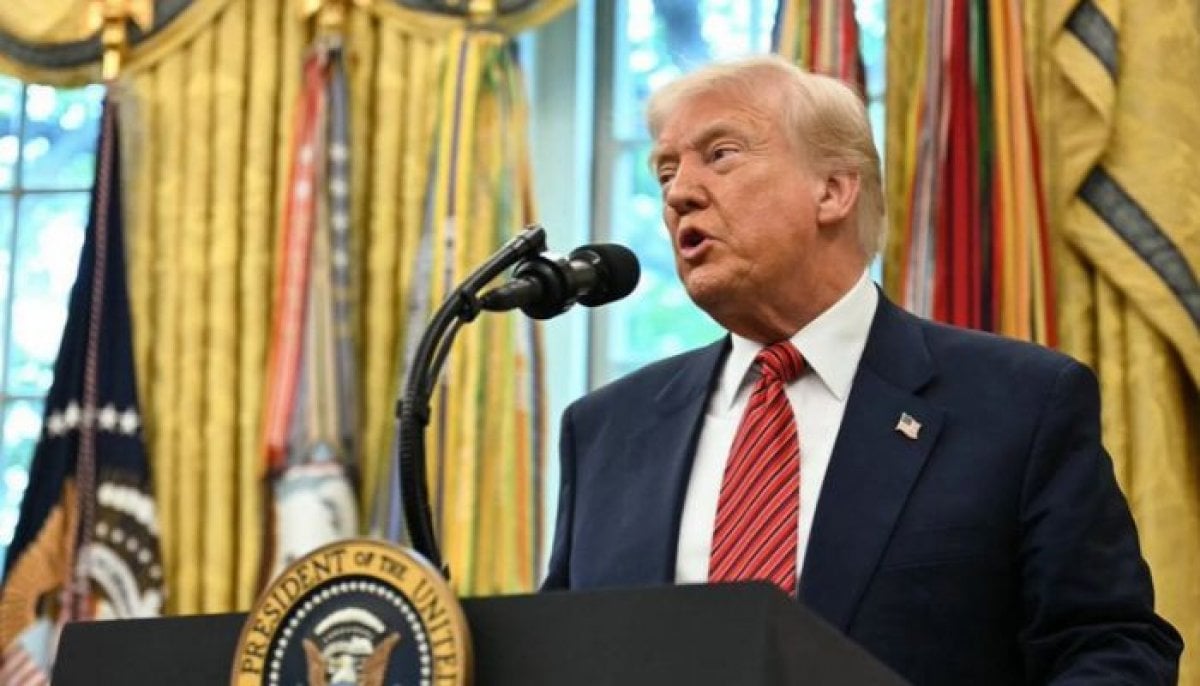
United States President Donald Trump has issued a stark ultimatum to Iran, warning that the nation faces the prospect of comprehensive infrastructure destruction should Tehran fail to meet American conditions by the evening of April 7. The President stated on April 6 that the entire country could be targeted in a single night, a declaration made as the regional conflict enters its 39th day. The US has demanded that Iran renounce the acquisition of nuclear weapons and restore the free navigation of vessels through the Strait of Hormuz.
The current standoff follows a period of intense volatility in the Gulf. As of April 7, the US and Israel had been engaged in near-daily strikes, impacting more than 30 universities and various critical infrastructure sites, including steel and petrochemical facilities and transport bridges. While military pressure intensifies, US Defense Secretary Pete Hegseth recently announced an “iron-clad” naval blockade extending from the Gulf of Oman to open waters, aimed at halting Iranian crude oil exports. US officials report that 34 vessels have been intercepted as part of these operations, with an additional two ships seized in the Indo-Pacific.
Tehran has largely rejected the latest US proposal for a 45-day ceasefire, with leadership characterizing the current environment as an existential struggle. While the Iranian government maintains that its food supply chains remain functional, domestic conditions have deteriorated sharply. State-affiliated reports indicate that one million jobs have been lost due to the conflict, with millions more affected. Markets in the capital continue to operate, though residents report that the costs of basic necessities—including medicine, rice, and eggs—have tripled or quadrupled.
The strategy within the Islamic Republic appears predicated on the belief that Tehran can outlast the political and economic pressures currently facing the Trump administration. Analysts suggest that the Iranian leadership is gambling that the US, with upcoming midterm elections and voter sensitivity to rising fuel prices, will eventually soften its stance. However, this approach carries significant risk. Experts at the Carnegie Endowment for International Peace note that Iran has a historical pattern of overplaying its hand, often choosing to absorb severe economic punishment rather than dilute its revolutionary ideology or relinquish power.
The internal political dynamics in Tehran have also shifted since the start of the conflict. Following the death of the long-time Supreme Leader on the first day of the war, the governing structure has seen a transition toward a more dispersed consensus involving figures such as Mojtaba Khamenei and parliament speaker Mohammad Bagher Ghalibaf. Despite this transition, the regime remains defiant, utilizing the ongoing war as a justification for domestic economic hardships.
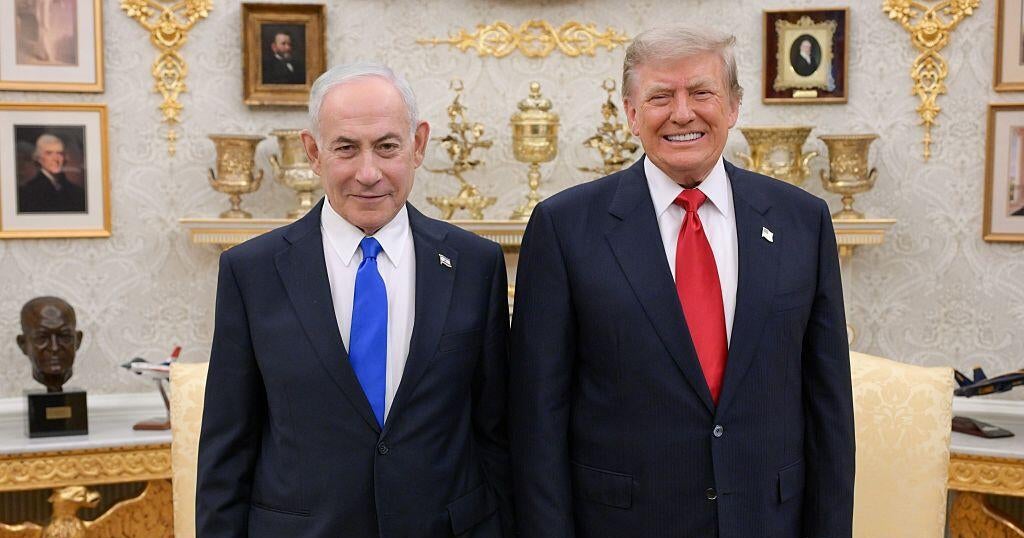
Regional dynamics remain a complicating factor for any diplomatic resolution. Israel reportedly opposes a ceasefire, with Prime Minister Benjamin Netanyahu advising against a deal that would curtail the current military campaign. Conversely, some voices within the Iranian political sphere, such as former foreign minister Mohammad Javad Zarif, have suggested that Tehran should leverage its current position to secure a permanent deal, including a mutual non-aggression pact, rather than continuing the cycle of escalation.
As the deadline approaches, the situation remains locked in a cycle of brinkmanship. While US envoys are expected to coordinate with mediators in Pakistan, President Trump has indicated that he views a deadline extension as highly unlikely. With the naval blockade restricting vital economic corridors and both sides showing limited willingness to compromise, the region faces the prospect of either a sudden diplomatic breakthrough or a transition into a deeper, more protracted military confrontation.
How significant is this development?
Participate in our community survey on the trajectory and real-world impact of this news.