Ukraine drones hit Russian refineries as Putin admits fuel shortages
Intensified Ukrainian drone attacks on energy hubs, including the Moscow Oil Refinery, have disrupted fuel supplies and forced the Kremlin to acknowledge systemic shortages.
- Headline Dispatch: Ukraine drones hit Russian refineries as Putin admits fuel shortages
- Core Takeaway: Intensified Ukrainian drone attacks on energy hubs, including the Moscow Oil Refinery, have disrupted fuel supplies and forced the Kremlin to acknowledge systemic shortages.
- Source Synthesis: Continuous live monitoring aggregated across major news wires and independent bureaus.
Ukraine drones hit Russian refineries as Putin admits fuel shortages
Ukraine has intensified a long-range drone campaign against Russian energy infrastructure, resulting in a fuel crisis that has forced President Vladimir Putin to acknowledge for the first time that the country is facing a certain deficit
of fuel. The strikes, which include one of the largest raids on Moscow since the start of the invasion, target the refineries and supply lines that fund and fuel the Russian war machine.
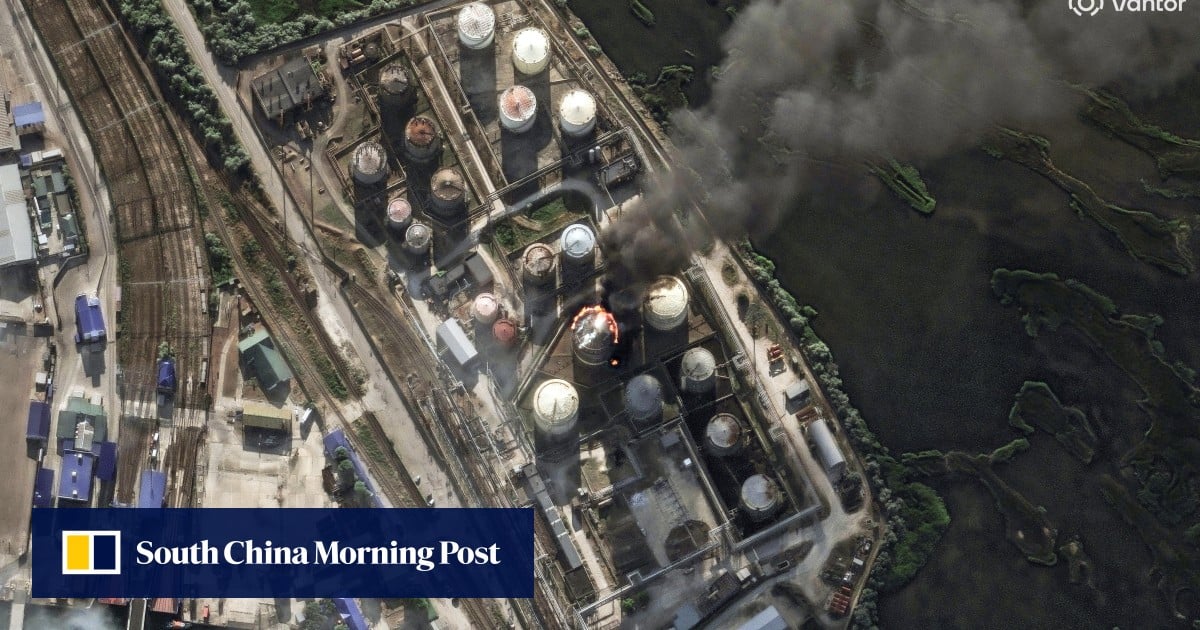
The Ukrainian military struck the Moscow Oil Refinery in the Kapotnya district. This marked the second attack on the facility in three days. The refinery is a critical energy hub, supplying up to 40% of the capital's petrol and approximately 50% of its diesel fuel. Resident-shot footage and reports from East2West News described the scene as pure hell
, with thick black smoke rising over the city and a heavy security presence deployed around the Kremlin.
The raid on Moscow disrupted city life, forcing temporary flight suspensions at Vnukovo, Sheremetyevo, and Zhukovsky airports. In the surrounding region, a drone hit a residential building in Zhukovsky, while other debris damaged a fitness center, a car, and a large mall. Moscow Mayor Sergey Sobyanin stated that air defenses intercepted more than 130 drones approaching the city, though the Russian Defense Ministry claimed a total of 555 drones were shot down across multiple regions overnight.
Ukrainian President Volodymyr Zelenskyy described these actions as long-range sanctions
and a direct response to Russian strikes on a historic monastery complex in Kyiv. In a voice message to journalists, Zelenskyy warned, if Ukraine is going to burn, your Moscow will burn too
.
Widespread Fuel Crisis
The campaign has choked fuel supplies, leading to widespread shortages and long lines at petrol stations. In the Siberian province of Irkutsk, Governor Igor Kobzev announced that drivers at state-run Rosneft stations are limited to buying no more than 50 liters of fuel per vehicle per day.
The energy crisis is most acute in Crimea, where Kremlin-installed officials suspended gasoline sales to civilians after Ukraine targeted supply routes. Putin pledged to resolve the shortages in the Black Sea peninsula by increasing deliveries by land and sea.
Russia’s energy sector is facing systemic pressure. According to Reuters calculations, drone strikes knocked out about 17% of refining capacity in mid-August, a figure that rose to 21% by the end of that month.
Strategic and Political Fallout
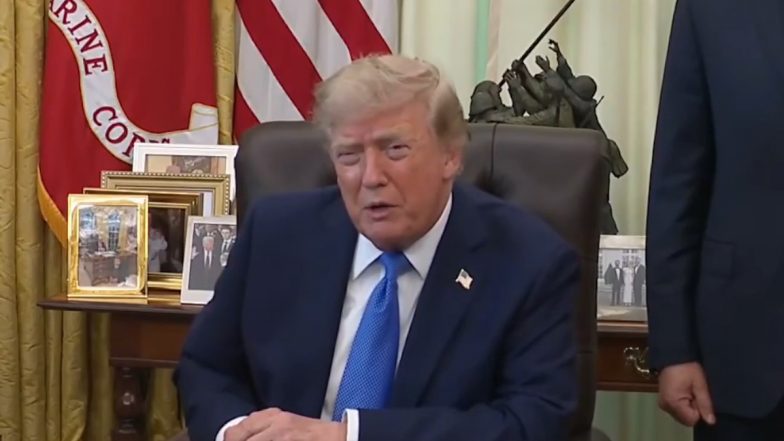
President Putin, who was hosting leaders from the Association of Southeast Asian Nations in Kazan during the Moscow attacks, dismissed the impact of the strikes on the front lines. He characterized the attacks as an attempt to cause a split in Russian society
and force Russia into negotiations on terms advantageous to Ukraine.
However, Putin admitted Russia is going through a difficult period
and vowed to speed up repair work and import more fuel to end the temporary deficit
. He also stated that Russia's arms industries would ramp up the production of air defense systems.
The shift in Ukraine's capabilities is supported by new military aid. British Defense Secretary Dan Jarvis announced the UK would provide £750m for 150,000 Ukrainian-made drones and more than 350 air defense missiles. This funding comes from a £2.26bn loan backed by frozen Russian central bank assets.
Battlefield and Diplomatic Context
The aerial war remains fierce. While Russia claims to have intercepted hundreds of drones, Ukraine reports that Russia attacked with 142 long-range drones and eight missiles overnight, most of which were shot down. In Zaporizhzhia, a Russian aerial bomb killed two people and injured 16, including two children.
Putin revealed that Ukraine proposed a halt on deep strikes and offered to limit fighting to the four annexed regions of Donetsk, Luhansk, Kherson, and Zaporizhzhia. Putin rejected the proposal, claiming it would allow Ukraine to relocate forces to better fend off Russian attacks in those areas.
As diplomatic channels remain stalled, European leaders have expressed optimism. European Commission President Ursula von der Leyen stated that the tide was turning
, noting that Ukraine is partially regaining territory.
The conflict continues to escalate, with Russian hardliners calling for the use of nuclear weapons in response to the Moscow raids, and the Russian foreign minister promising group strikes
on Ukraine on a regular basis.
How significant is this development?
Participate in our community survey on the trajectory and real-world impact of this news.