Ukrainian drone attacks on oil refineries plunge Russia into a summer fuel crisis
Russia faces an unprecedented fuel crisis as Ukrainian drone campaigns knock an estimated third of refining capacity offline, leading to widespread rationing.
- Headline Dispatch: Ukrainian drone attacks on oil refineries plunge Russia into a summer fuel crisis
- Core Takeaway: Russia faces an unprecedented fuel crisis as Ukrainian drone campaigns knock an estimated third of refining capacity offline, leading to widespread rationing.
- Source Synthesis: Continuous live monitoring aggregated across major news wires and independent bureaus.
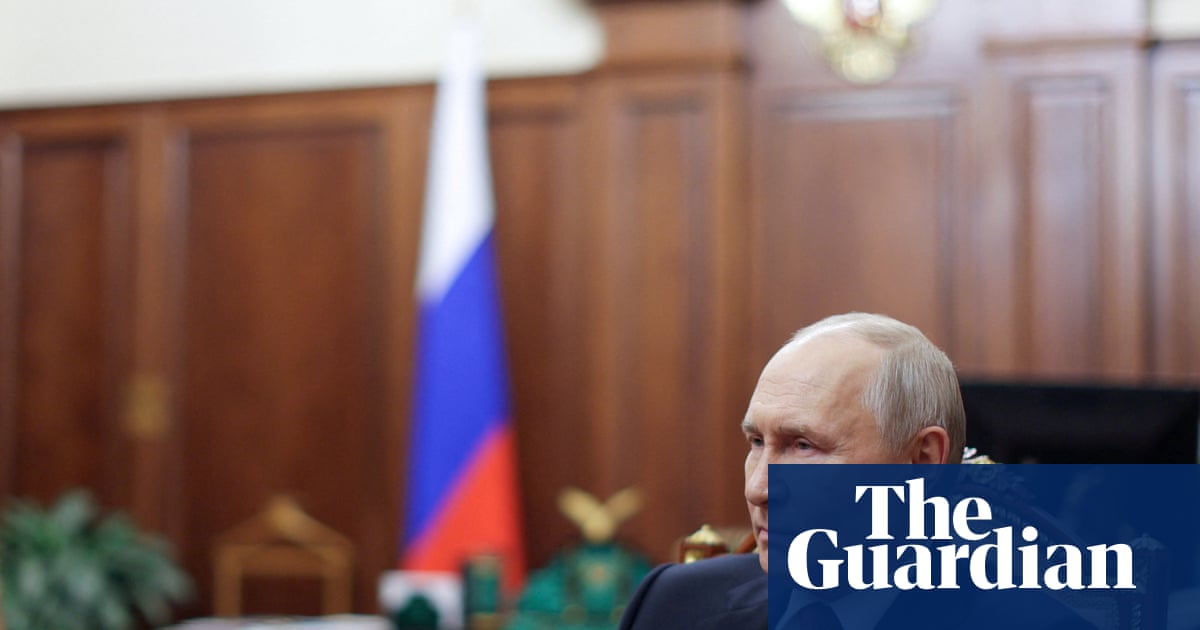
Ukrainian drone attacks on oil refineries plunge Russia into a summer fuel crisis
Hours-long queues of cars are snaking beside roads across Russia as a sustained Ukrainian drone campaign against oil refineries and energy infrastructure has triggered an unprecedented summer fuel crisis. The shortages have forced many regions to introduce fuel rationing, a situation rare for one of the world's largest energy producers.
On Sunday, June 28, 2026, President Vladimir Putin acknowledged for the first time that the country is facing a certain shortage
of fuel and that problems persist for both motorists and businesses
. While Putin insisted the shortages are temporary
and not critical
, the reality on the ground tells a different story. In Moscow, one motorist told the Associated Press on Monday, June 30, that people are queueing everywhere
and that official claims on television differ from reality.
Ukrainian President Volodymyr Zelenskyy confirmed on Wednesday, July 2, that Ukrainian forces struck the Ufa oil refinery—one of Russia's largest lubricant producers—for the second time in a week. He also claimed strikes on a refinery in the Yaroslavl region and a missile component plant in the Penza region.
Infrastructure Damage and Production Slump
An AP count indicates over 50 reported attacks on refineries, depots, and terminals in Russia and the illegally annexed Crimean Peninsula since late March. Some facilities have been targeted repeatedly; the refinery in Tuapse was struck four times in just over two weeks.
The operational impact is substantial:
- Crude oil processing in June fell 25% from a year ago to 3.95 million barrels per day, the lowest level in more than two decades, according to analyst Gary Peach.
- Gasoline production dropped 17%, from 1.03 million barrels a day a year ago to 850,000 barrels a day.
- Chris Weafer, CEO of Macro-Advisory Ltd., estimates that about a third of Russia's refining capacity is currently offline.
Repairs are hampered by the need for specialized equipment often sourced from abroad, forcing Russia to seek workarounds while evading sanctions. Weafer noted that repairing the Moscow Oil Refinery, which supplied 40% of the capital's fuel, is expected to take at least three months.
Regional Crisis and Rationing
By late June, some form of gas rationing was reported in over half of Russia's regions. Open-source data analyzed by the Moscow Times showed rationing in at least 56 regions as of Thursday, June 26. In the Omsk region, sales were limited to 40 liters (10.5 gallons) per vehicle.
The crisis has reached areas far from the border. In Zabayakalye, some bus services were curtailed and a garbage hauler suspended pickups. The city of Irkutsk raised public transport fares on Wednesday, July 2, citing fuel costs, and the mayor ordered portable toilets to be brought in to serve those waiting in gas station lines.
The situation is most severe in Crimea. Authorities there declared a state of emergency last week after attacks on supply routes forced a total halt of civilian fuel sales in May, though limited sales later resumed in Sevastopol.
Economic and Military Implications
The timing is critical as the Russian agricultural harvest season increases fuel demand. While Putin claimed gasoline stockpiles are only 4% lower than last year, Weafer argued the problem is a logistics operation, as fuel is in the wrong place
and takes weeks to reallocate across the vast country.
To stabilize the market, Kremlin spokesman Dmitry Peskov said contacts with other countries to import fuel are underway
. Exports of aviation fuel and gasoline have already been restricted.
Putin has rejected Ukrainian proposals to halt long-range strikes, claiming the offer was made because Russian counterstrikes are more destructive
. Russian forces are currently attempting to capture the city of Kostiantynivka in the Donbas.
Unless further damage occurs, analysts estimate the fuel shortages will likely persist through September.
How significant is this development?
Participate in our community survey on the trajectory and real-world impact of this news.