US military strikes Iran after attack on civilian ship in Hormuz Strait
The United States and Iran have exchanged missile and drone strikes after Iranian attacks on civilian vessels, sparking a dangerous escalation in the Strait of Hormuz.
- Headline Dispatch: US military strikes Iran after attack on civilian ship in Hormuz Strait
- Core Takeaway: The United States and Iran have exchanged missile and drone strikes after Iranian attacks on civilian vessels, sparking a dangerous escalation in the Strait of Hormuz.
- Source Synthesis: Continuous live monitoring aggregated across major news wires and independent bureaus.
US military strikes Iran after attack on civilian ship in Hormuz Strait
The United States and Iran have exchanged missile and drone attacks following Iranian strikes on commercial vessels in the Strait of Hormuz, an escalation that threatens a fragile ceasefire and an interim deal to end the war between the two nations.
U.S. Central Command announced on Tuesday that it launched a third round of "powerful" strikes against Iran. The military stated it hit over 80 targets with precision munitions, including drone launch sites, antiship cruise missiles, surface-to-air missiles, coastal surveillance systems, and air defense systems. The operation concluded approximately four hours after it began.
"The United States is imposing a heavy cost by continuing to degrade Iran’s ability to attack civilian mariners and commercial ships freely transiting the strait,"
U.S. Central Command, via social media
The U.S. Military characterized the Iranian strikes on three commercial vessels as "unwarranted, dangerous" and a "clear violation" of the ceasefire signed last month. Among the targeted ships was a Cyprus-flagged container ship that suffered "significant engineroom damage," with one civilian crew member reported missing. Other vessels struck included the Saudi-flagged crude oil tanker Wedyan and the Qatari LNG tanker Al Rekayyat. The UKMTO reported that the Al Rekayyat was hit by a drone near Limah, Oman, while attempting to travel south.
Iran responded by targeting 85 U.S. Military sites in Bahrain and Kuwait, including a drone attack on the Sheikh Isa airbase in Bahrain. In Kuwait, the army reported confronting "hostile" missile and drone attacks. Iranian state media reported explosions in the southern port city of Sirik and on Qeshm Island, as well as areas near Bandar Abbas. Hossein Kermanpour, a spokesperson for the Iranian Health Ministry, said strikes over two days killed at least 17 people and wounded 115 others.
The conflict centers on the management of the Strait of Hormuz, through which about a fifth of all traded oil and natural gas passed before the war began on Feb. 28. While the world views the strait as an international waterway, Iran insists it must remain under its control and that it be allowed to charge ships for using the waterway. The U.S. Has urged mariners to use a southern route through Oman's territorial waters, a move Iran opposes.
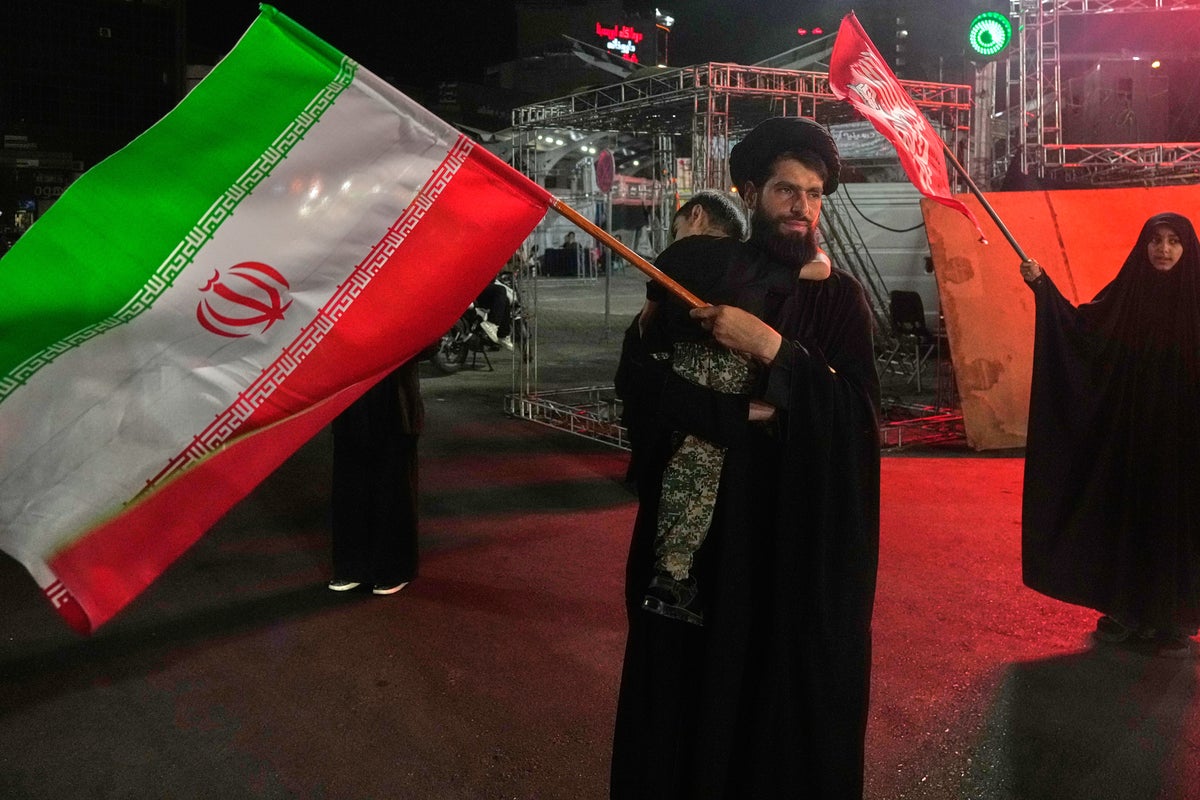
Tensions are further exacerbated by a leadership transition in Tehran. Supreme Leader Mojtaba Khamenei, in his first statement since the funeral of his father, Ayatollah Ali Khamenei, vowed that Iranians would avenge the elder Khamenei's killing during the opening strikes of the war. Such revenge "is the will of our nation and must certainly be carried out,"
the Supreme Leader stated via state television.
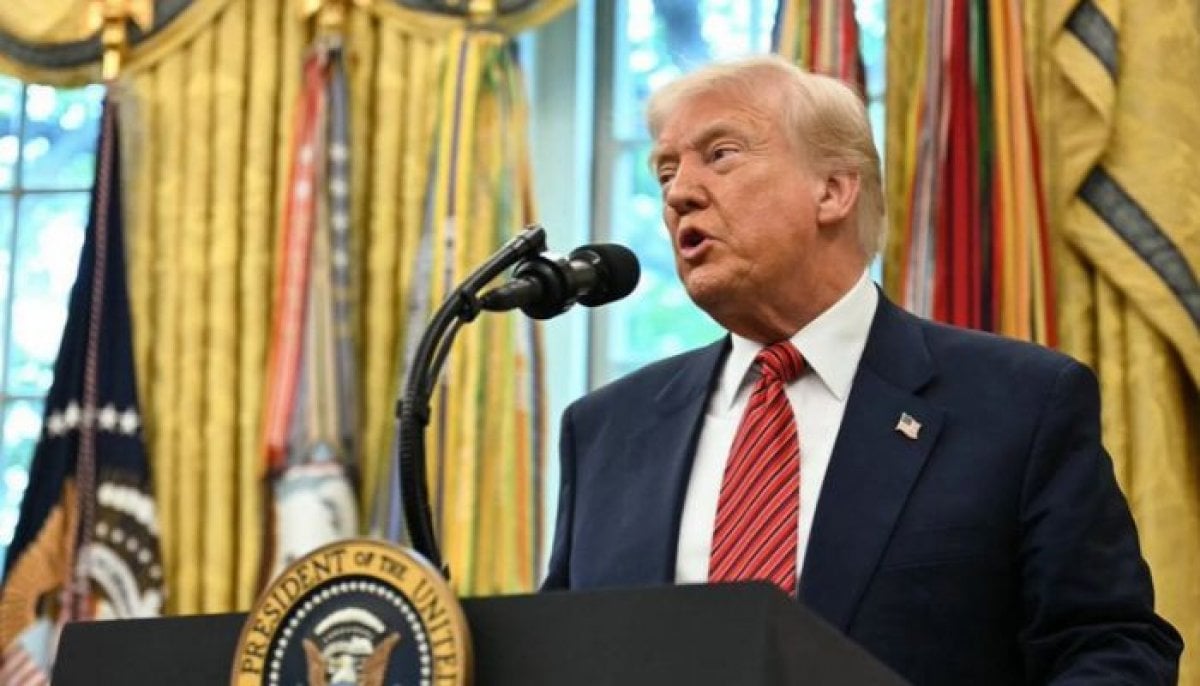
President Donald Trump, attending a NATO summit in Turkiye, declared the ceasefire over but said the U.S. Would continue negotiations. Trump responded to threats of assassination—which were highlighted by banners at the late Ayatollah Khamenei's funeral—by stating on social media that a thousand missiles are Locked and Loaded and aimed at the Islamic Republic of Iran
, with thousands more to follow if the Iranian government acts on its threats.
Diplomatic efforts remain strained. Iranian Foreign Minister Abbas Araghchi met with his Omani counterpart on Saturday to discuss mechanisms for the safe passage of ships. However, Iran has rejected proposals from France and the UK to de-mine and secure the southern route. Meanwhile, Iran's chief negotiator, Mohammad Ghalibaf, accused the U.S. Of violating the June memorandum of understanding by revoking a temporary suspension of sanctions on Iranian oil, which had allowed the sale of crude in U.S. Dollars through Aug. 21.
U.S. Officials, speaking Friday on condition of anonymity, suggested that a "rogue faction of Iranian hard-liners" attempted to sabotage the ceasefire. Iran has denied this, insisting its theocracy remains unified. Following the U.S. Strikes on Thursday, additional attacks hit Iran that were not claimed by the U.S. Or Israel, leading to speculation that Gulf Arab states may have launched them as a deterrent after Iran targeted Bahrain, Jordan, Kuwait, and Qatar.
How significant is this development?
Participate in our community survey on the trajectory and real-world impact of this news.