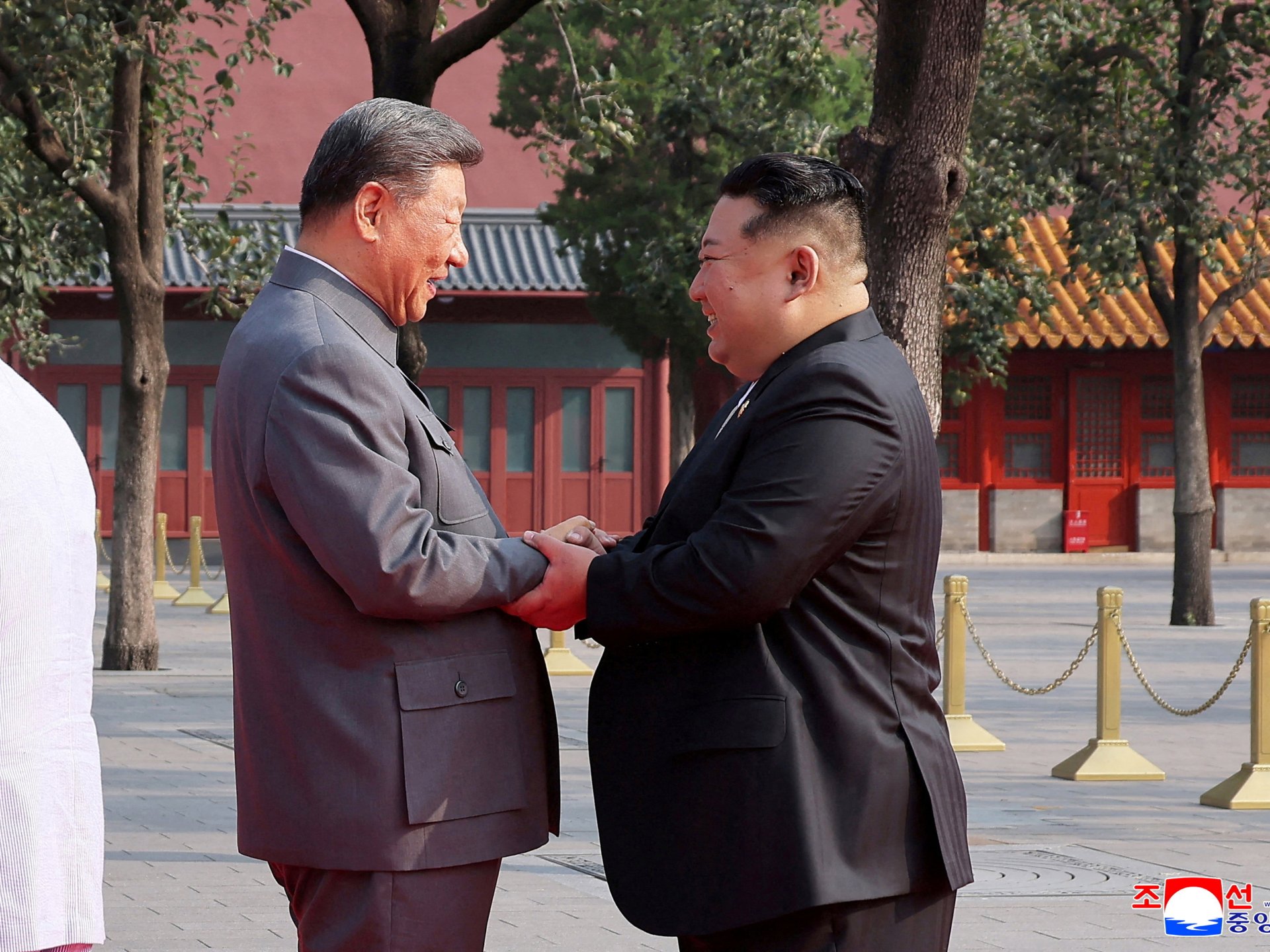
Chinese President Xi Jinping’s first visit to North Korea in seven years, scheduled for Monday, underscores a strategic recalibration in Sino-North Korean relations amid shifting regional dynamics. The meeting with Kim Jong Un comes as Beijing seeks to counterbalance Russia’s growing influence over Pyongyang, which has supplied Moscow with military hardware and manpower since 2022. The trip also raises questions about North Korea’s nuclear ambitions, with Pyongyang recently reaffirming its “irreversible” nuclear program.
A Strategic Shift in Sino-North Korean Relations
Xi’s journey to Pyongyang marks a rare departure from his recent travel patterns. Since 2019, the Chinese leader has averaged fewer than six international trips annually, a sharp decline from the 14 he made yearly between 2013 and 2019. William Yang, a senior analyst at the International Crisis Group, highlighted the symbolic weight of the visit: “For Xi Jinping to be the one who decides to travel to Pyongyang, it shows the level of significance that China attaches to this trip.”
Historically, China has been North Korea’s dominant economic partner, accounting for up to 95% of its trade. However, this dynamic has shifted since Russia’s 2022 invasion of Ukraine. North Korea has since become a critical supplier of artillery, shells, and ballistic missiles to Moscow, with South Korea’s Institute for National Security Strategy estimating that Russia paid up to $14.4bn for these contributions. Yet, Beijing remains wary of Pyongyang’s deepening ties with Moscow, according to Lee Sang Yong, a Seoul-based researcher. “Beijing likely wants to reassert its influence over North Korea and prevent Pyongyang from leaning too heavily toward Moscow,” he said.
North Korea’s Nuclear Posture Under Scrutiny
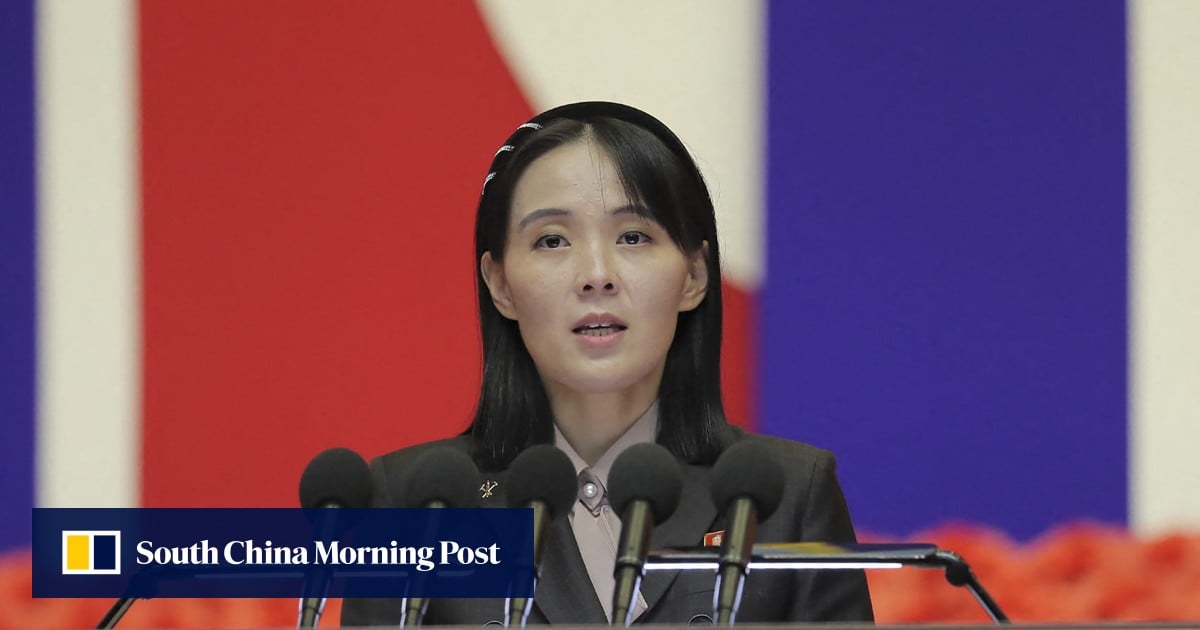
The visit coincides with Pyongyang’s recent assertive statements on its nuclear program. Kim Yo-jong, the sister of North Korean leader Kim Jong Un, dismissed U.S. calls for denuclearization as “false information,” declaring that the regime’s nuclear status is “an irreversible final conclusion.” This rhetoric aligns with Kim’s broader assertion that North Korea’s nuclear arsenal is essential for “self-defence” and will not be compromised.

Analysts note that China’s approach to North Korea’s nuclear ambitions remains cautious. “Beijing has always been very careful about providing military assistance to North Korea because they do not see a militarily stronger North Korea as necessarily in its favour,” said Rachel Minyoung Lee of the Stimson Center. A North Korea that is “militarily emboldened through its relationship with Russia could be a potential source of disruption to the balance of power and status quo on the Korean Peninsula,” she added.
Economic Incentives and Geopolitical Calculus
China’s strategy appears to blend economic diplomacy with geopolitical caution. While Beijing has historically prioritized stability on the Korean Peninsula, it now faces a dilemma: supporting Pyongyang’s economy to maintain influence or confronting its nuclear ambitions. The $580m–$1.5bn in “goods” North Korea is estimated to have received from Russia—compared to the $14.4bn in payments—suggests that Moscow’s payments may involve “sensitive military technology or related precision parts and materials,” according to a translated report. This raises concerns in Beijing about the long-term implications of Russia’s arms transfers.
“Offering North Korea economic incentives” could be a key component of Xi’s agenda, as suggested by Lee. However, China’s historical reluctance to enable Pyongyang’s military buildup complicates this approach. “A North Korea that is militarily emboldened through its relationship with Russia could be a potential source of disruption to the balance of power and status quo on the Korean Peninsula,” she warned.
What Comes Next?
The visit’s outcome could shape the next phase of Sino-North Korean relations. If Xi succeeds in reasserting Beijing’s influence, it may limit Moscow’s leverage over Pyongyang. Conversely, if North Korea’s nuclear and military ambitions continue to grow, it could strain China’s strategic calculations. The U.S. and South Korea will likely monitor developments closely, particularly as Pyongyang’s nuclear program remains a flashpoint in regional security.
As the world watches, the trip underscores the complex interplay of diplomacy, economics, and military strategy on the Korean Peninsula. For China, the challenge is clear: balancing its role as a regional power with the need to prevent instability that could ripple far beyond its borders.
<a href="https://www.aljazeera.
<a href="https://www.scmp.
