Iran’s World Cup Team Splits Between U.S.
The Iranian national soccer team will play its three World Cup matches in the United States but will base its operations in Mexico, avoiding a diplomatic showdown over visas just days before the tournament begins. Mexican President Claudia Sheinbaum announced the arrangement on Monday, confirming FIFA’s agreement to let Iran’s squad commute daily from Tijuana to Los Angeles and Seattle for its Group G fixtures against New Zealand, Belgium, and Egypt. The decision comes after the U.S. refused to grant visas to Iranian players and staff—particularly those with ties to the Islamic Revolutionary Guard Corps (IRGC)—citing security concerns. While the team’s players will enter the U.S. for matches, many coaches, officials, and support staff remain stranded, highlighting the asymmetrical treatment of Iran amid broader U.S.-Iran tensions.
Why Iran’s Team Is Splitting Its World Cup Stay
The U.S. has long maintained that Iranian players with IRGC backgrounds pose a security risk, a stance that has complicated Iran’s preparations for the World Cup. According to CBC News, U.S. President Donald Trump stated in March that while Iran was welcome to compete, he did not believe it was safe for the team to stay in the U.S. “for their own life and safety.” The Iranian Football Federation, led by Mehdi Taj, had already shifted its training base from Arizona to Tijuana in late May, citing visa complications. FIFA confirmed the commuting plan on Monday, ensuring Iran’s players can participate in matches while avoiding overnight stays in the U.S.

The arrangement is a pragmatic compromise, but it underscores the unequal treatment of Iran compared to other World Cup teams. While Mexican President Sheinbaum emphasized that her government had “no reason to deny them the possibility of staying in Mexico,” the U.S. has effectively barred Iran’s broader delegation—including coaches, medical staff, and officials—from entering the country. This creates a logistical nightmare: players must travel alone for matches, while support personnel remain in Mexico, unable to assist during games or training.
Security vs. Diplomacy: The U.S. and Iran’s Clashing Narratives
The visa dispute is not an isolated incident but part of a broader pattern of U.S.-Iran tensions that have escalated since February, when Washington joined Israel in strikes against Iranian targets. As CBS News reported, President Trump has framed the current negotiations with Iran as a test of American resolve, suggesting that past administrations allowed Tehran to “get away with murder.” In a June 5 interview with NBC News, Trump argued that Iran’s reluctance to strike a deal stems from pride and the belief that previous U.S. leaders were “weak.”
Yet Iran’s military adviser, Mohsen Rezaei, painted a starkly different picture. In comments to CNN, Rezaei accused the U.S. of stalling negotiations, stating that talks were “at a deadlock and Trump must break this deadlock.” He demanded the unfreezing of billions in Iranian assets as a “sign of trust-building,” a demand the U.S. has yet to meet. The soccer team’s visa saga, then, is a microcosm of the larger diplomatic impasse: both sides are dug in, and the World Cup has become an unwilling stage for their rivalry.
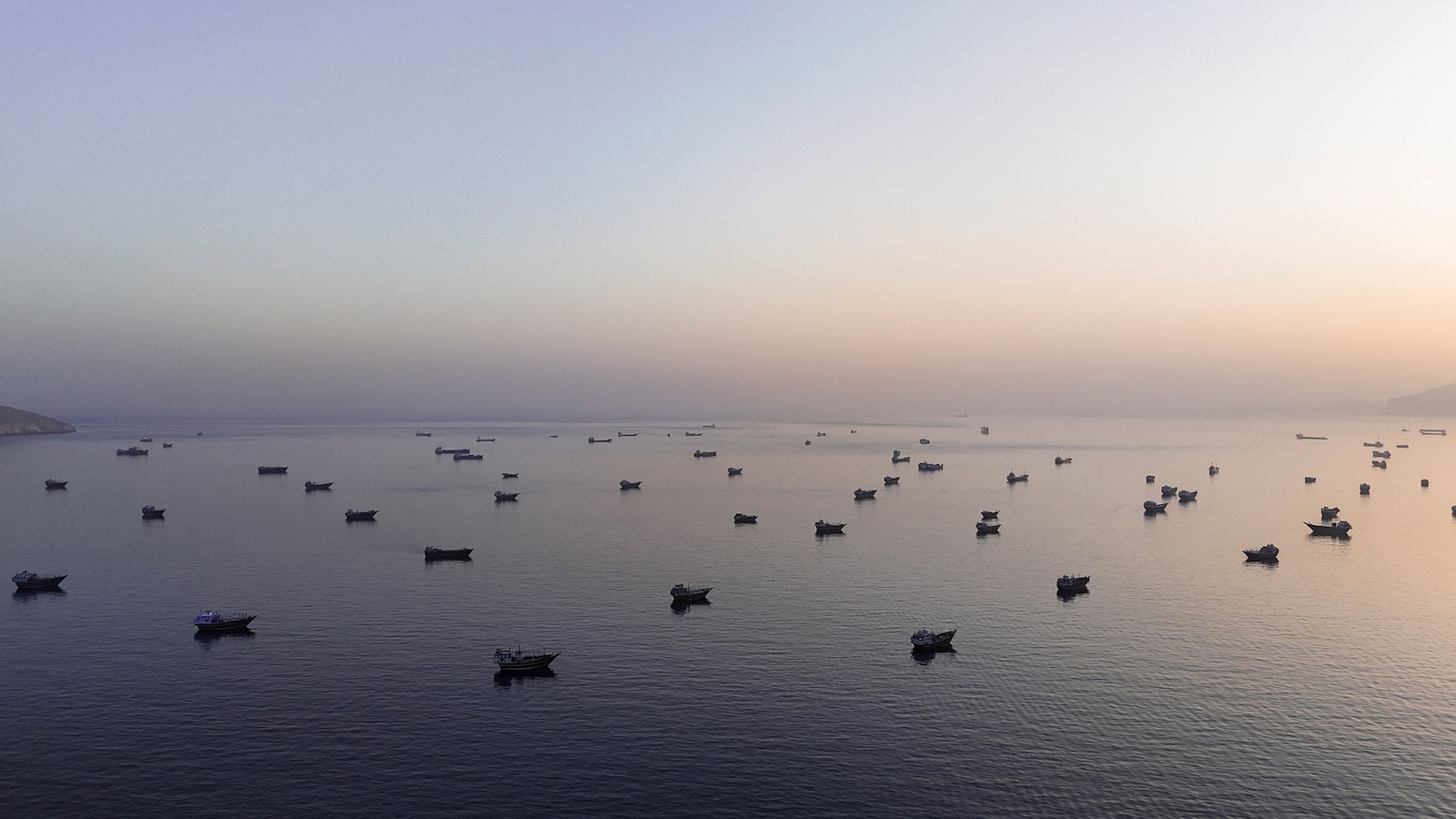
Adding to the tension, the U.S. military shot down four Iranian one-way attack drones near the Strait of Hormuz on June 5, a move that CBS News confirmed was part of a broader pattern of Iranian aggression. U.S. Central Command retaliated by striking Iranian radar sites, escalating a cycle of tit-for-tat attacks that has dominated U.S.-Iran relations in recent weeks. Against this backdrop, the World Cup visa dispute feels less like a bureaucratic hiccup and more like a deliberate snub—one that risks overshadowing the tournament itself.
The Human Cost: Players Trapped Between Two Countries
For Iran’s soccer players, the commuting arrangement is a necessary evil. The team’s schedule—three matches in six days—means players will spend hours traveling between Tijuana and Los Angeles, with little time for rest or preparation. According to Taj, the move to Mexico was intended to “avoid visa-related complications,” but it has created new challenges. Players like Sardar Azmoun and Mehdi Taremi, who have become household names in Iran, now face the unenviable task of performing at an elite level while juggling jet lag and logistical hurdles.

The exclusion of support staff is equally problematic. Coaches, physiotherapists, and translators—critical to a team’s success—are barred from entering the U.S., meaning players must navigate matches without their usual backups. FIFA has not publicly criticized the U.S. policy, but the uneven treatment raises questions about the tournament’s commitment to fairness. Other teams, like Haiti, have also faced visa restrictions, but none have been forced into a commuting arrangement that isolates players from their full squads.
What Comes Next: Will the World Cup Become a Political Battleground?
The Iranian team’s predicament is unlikely to resolve before the tournament kicks off on June 11. While players will compete in the U.S., the broader diplomatic standoff between Washington and Tehran shows no signs of easing. Trump has suggested that the Iran conflict will be “finished” either through negotiations or “a more difficult way,” while Rezaei’s demand for asset unfreezing remains unmet. The soccer team’s visa saga, then, is not just about football—it’s a test of whether the World Cup can remain apolitical amid geopolitical tensions.
For now, Iran’s players will focus on the pitch. But the commuting arrangement—and the broader exclusion of their support staff—serves as a reminder that for some teams, the World Cup is less about celebration and more about survival. As the tournament progresses, the question remains: Will the U.S. soften its stance, or will Iran’s players be forced to compete under increasingly difficult conditions?
One thing is clear: The soccer field has become another front in the U.S.-Iran rivalry, and the players are caught in the middle.
