
Iran accused the United States of violating a fragile ceasefire after both sides exchanged strikes in the Strait of Hormuz, with the Iranian Foreign Ministry condemning the U.S. military’s attack on coastal radar facilities as a “clear violation” of the 8 April agreement (CBS News). The U.S. Central Command reported shooting down four Iranian suicide drones heading toward the strategic waterway, while Iran launched seven missiles at Bahrain and Kuwait, all intercepted or missing their targets (CBS News). Arab nations, including Lebanon, condemned Iran’s attacks, with Israeli forces killing three high-ranking Lebanese soldiers in a separate escalation (Al Jazeera).
Iran’s Accusations and the Ceasefire Context
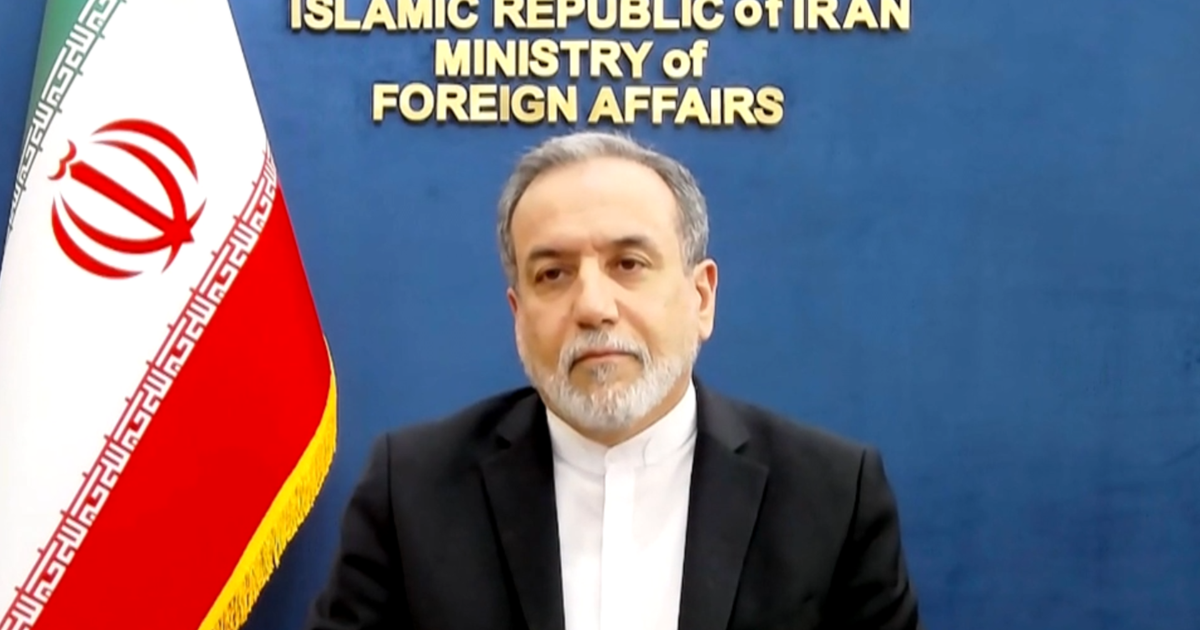
The Iranian Foreign Ministry framed its strikes as “self-defense,” echoing the Trump administration’s rhetoric during past conflicts (CBS News). In a statement, the ministry declared, “The attack constitutes a clear violation of the 8 April ceasefire and an act of military aggression against the national sovereignty and territorial integrity of the Islamic Republic of Iran.” It further criticized the U.S. for “complete disregard of the fundamental principles of international law and the Charter of the United Nations,” calling the strike a continuation of “hostile and provocative conduct” (CBS News). The U.S. response came after Iran’s missile attacks on Bahrain and Kuwait, which were intercepted by American and regional defense systems, according to Central Command (CBS News).
For more on this story, see Iran Fires Drones, US Shoots Down 4, Tensions Escalate.
Strategic Implications of the Strait of Hormuz Skirmish
The Strait of Hormuz, a critical chokepoint for global oil shipments, has become a flashpoint in the U.S.-Iran standoff. The U.S. military’s interception of Iranian drones underscores its commitment to safeguarding maritime traffic, a role it has emphasized since the 2019 tanker attacks in the region. Iran’s targeting of Bahrain and Kuwait, both U.S. allies, signals a broader strategy to challenge Western influence in the Gulf. The Iranian statement highlighted the radar facilities’ dual purpose: “safeguarding the country’s border security and ensuring the security of navigation in international waterways” (CBS News). This framing positions the strikes as a defensive measure, even as the U.S. and its allies view them as escalatory.
Regional Reactions and the Fragile Ceasefire
Arab nations, including Saudi Arabia and the UAE, have called for de-escalation, but their statements have been muted compared to the sharper condemnations from Iran. Lebanon’s Hezbollah, a key Iranian ally, blamed Israel for the killing of three generals in a cross-border attack, further entangling the conflict (Al Jazeera). The 8 April ceasefire, brokered with international mediation, has repeatedly been tested by both sides. Iran’s recent strikes, while framed as self-defense, risk collapsing the agreement, which has already seen multiple violations. The U.S. has warned that further attacks could trigger “proportional responses,” but the lack of a unified regional response leaves room for continued brinkmanship.
This follows our earlier report, US and Iran Exchange Fire as Middle East Ceasefire Faces New Escalation.
What Comes Next? The Path to De-Escalation or Further Conflict
The immediate challenge lies in whether the ceasefire can withstand these latest provocations. Iran’s rhetoric, which mirrors past justifications for attacks, suggests a willingness to test U.S. resolve. Meanwhile, the U.S. faces pressure to balance deterrence with the risk of wider war. Analysts note that the Strait of Hormuz’s strategic importance makes it a likely focal point for future clashes. “This isn’t just about Iran and the U.S.,” said a regional security expert quoted in Al Jazeera. “The Gulf’s stability hinges on managing these proxy conflicts without triggering a regional war.” With peace talks stalled and both sides accusing each other of aggression, the coming weeks will determine whether the fragile ceasefire holds or fractures further.
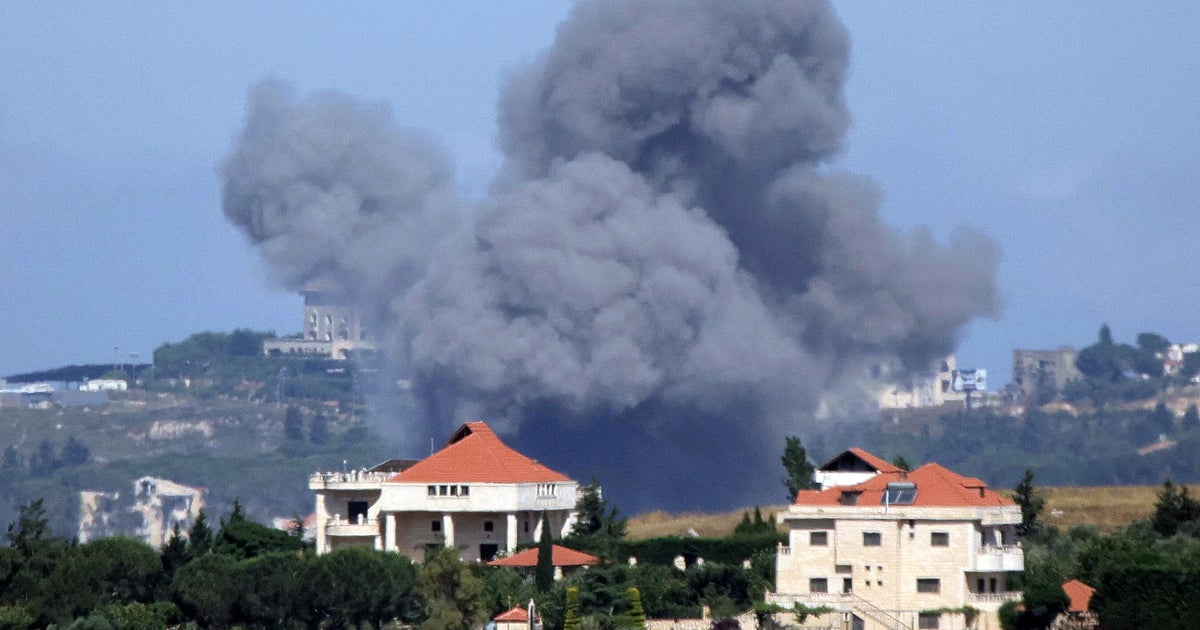
“The powerful armed forces of the Islamic Republic of Iran, acting within the framework of their inherent right to self-defense, responded to this act of aggression with vigilance, determination, and full authority through a proportionate and effective response,” the Iranian statement said (CBS News).
