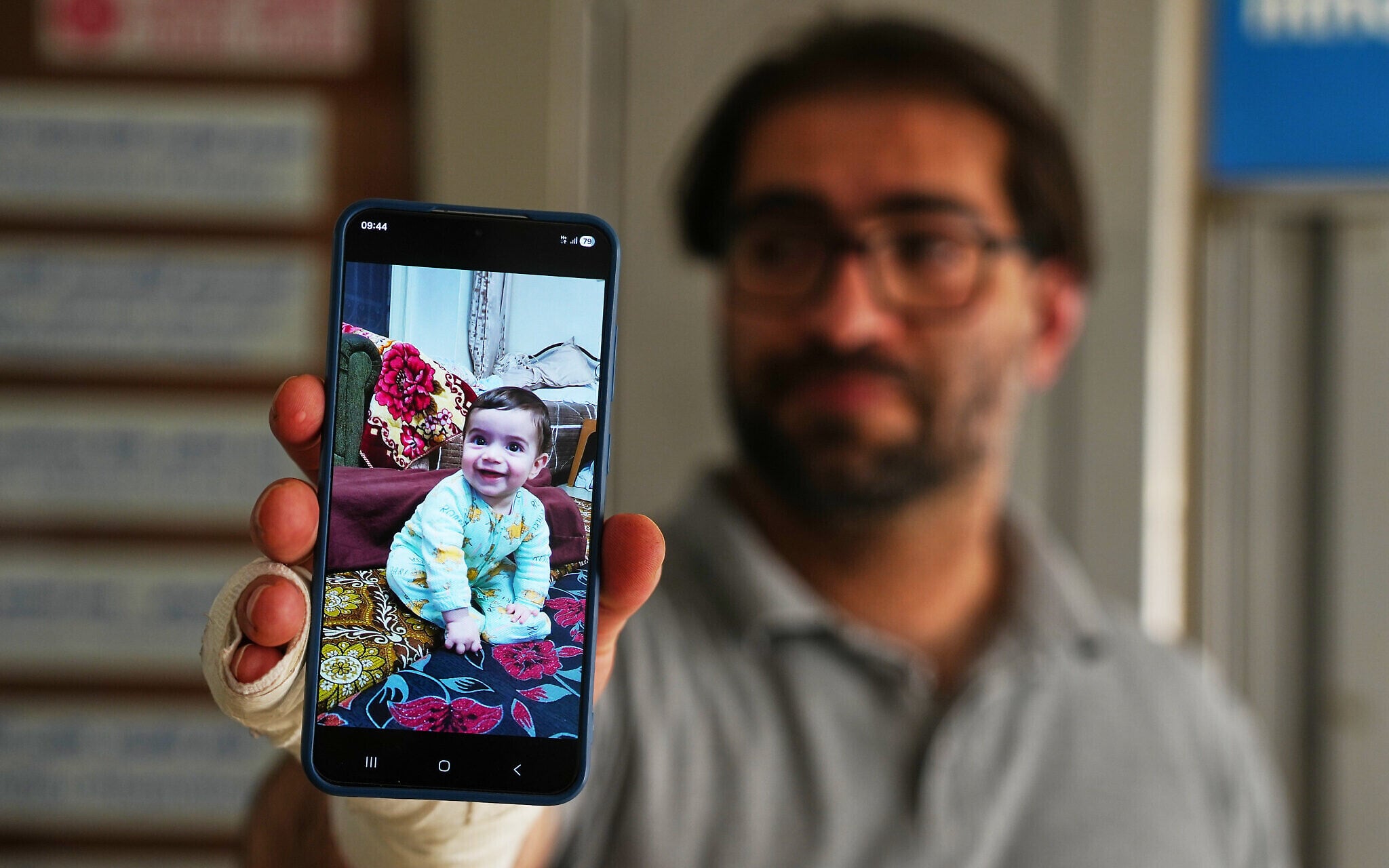
A 7-month-old Palestinian baby was killed and his parents injured when an Israeli soldier opened fire on their vehicle in Hebron on June 5, 2026, according to multiple reports. The Israel Defense Forces (IDF) stated troops perceived the car as accelerating toward them, but the family claimed they had stopped as ordered and were targeted without warning. The incident has sparked calls for accountability and raised questions about military conduct in the occupied West Bank.
Incident Details: A Family’s Account
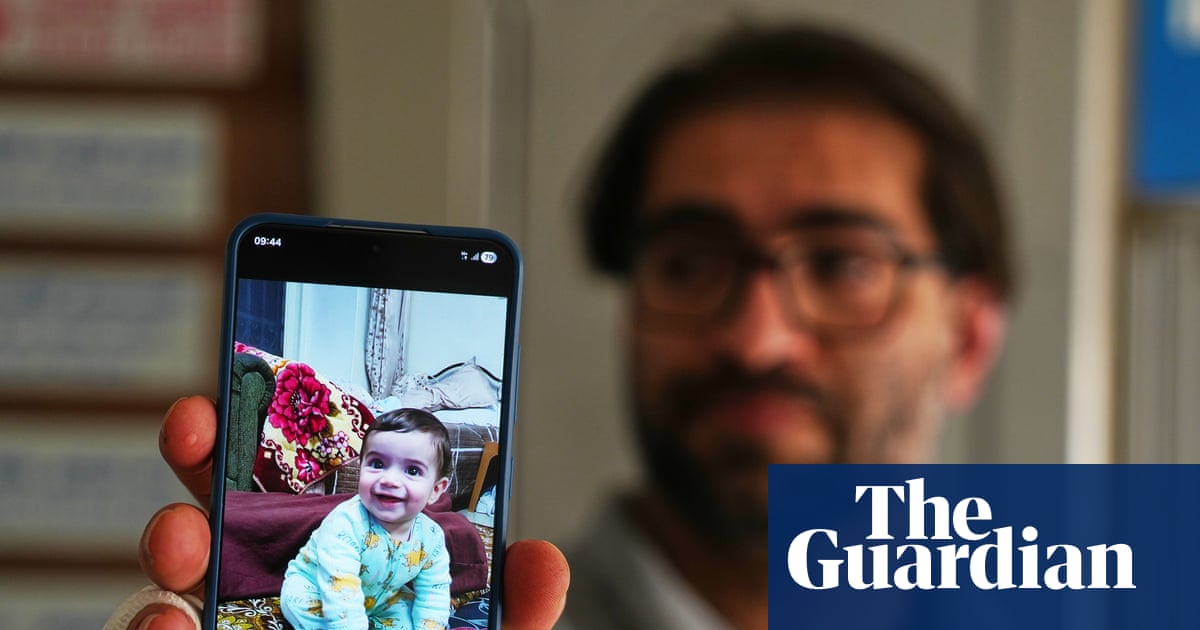
Fahd Abou Haikal, the baby’s father and a lecturer at Bethlehem University, described the events to The Guardian. He said the family’s car came to a full stop after Israeli soldiers signaled them to halt, but the soldier “saw me, saw my wife and the kids” before opening fire. “You can’t say he didn’t see it was a family,” Abou Haikal added. A bullet passed through his hand and struck his son, Sam Fahd Abou Haikal, who was being held by his mother in the back seat, according to the father. The baby later died of his injuries at a hospital in Hebron.
The family was driving through the Tel Rumeida neighborhood of Hebron when the shooting occurred around 7:30 p.m. Feryal Abu Haikal, the baby’s grandmother, confirmed the car had stopped as instructed, but the soldier “opened fire on the vehicle” without explanation. Bullet holes were visible in the windshield and hood of the car, with medics later treating the injured parents, one of whom was in critical condition due to shrapnel near the heart.
IDF Statement: Perceived Threat, Investigation Underway
The IDF released a statement via The Times of Israel, claiming troops “perceived a vehicle accelerating toward them” during operational activity in Hebron. A soldier fired “single shots toward the vehicle,” the statement said. An initial inquiry found the injured were “uninvolved civilians,” and the incident was under investigation, with findings to be “submitted for review by the relevant authorities.” The IDF expressed “deep sorrow for any harm caused to uninvolved individuals.”
The military did not address the family’s claim that the car had stopped, nor did it acknowledge the father’s assertion that the soldier had a clear view of the occupants. However, it emphasized that the incident was being reviewed, a process that could lead to disciplinary action or further inquiry.
Calls for Accountability and International Reaction
Abou Haikal demanded an investigation and accountability for the soldier, stating, “This case must not be closed without an investigation and without accountability.” His account contradicts the IDF’s narrative, highlighting a broader tension between military operations and civilian safety in the West Bank. The Palestinian Authority identified the infant as Sam Fahd Abou Haikal, noting that the family was “uninvolved civilians” targeted “after the occupation forces opened fire on them.”
The incident has drawn international attention, with human rights organizations and Palestinian officials condemning the use of force against non-combatants. The IDF’s handling of such cases often faces scrutiny, as similar incidents have occurred in the past. The military’s emphasis on “operational activity” underscores the ongoing conflict between security measures and civilian casualties in the region.
Context: A Pattern of Tensions in Hebron
Hebron, a city with a complex history of Israeli-Palestinian conflict, has seen frequent clashes and military operations. The Tel Rumeida neighborhood, where the shooting occurred, is known for its dense population and frequent military presence. The IDF’s operations in the area are typically justified as counterterrorism efforts, but civilian casualties often fuel outrage and accusations of disproportionate force.
The case of Sam Fahd Abou Haikal adds to a growing list of incidents where Palestinians allege that Israeli forces have used lethal force against unarmed civilians. The family’s detailed account, corroborated by medical reports and physical evidence of gunfire, challenges the IDF’s version of events and raises questions about the circumstances under which soldiers are authorized to open fire.
What’s Next: Investigation and Broader Implications
The IDF’s investigation into the incident could determine whether the soldier’s actions were justified under military protocols. However, the family’s claims of a clear, unambiguous threat—combined with the lack of an observed roadblock or immediate danger—may complicate the military’s defense. If the investigation finds the soldier negligent, it could lead to disciplinary measures, though past cases suggest such outcomes are rare.
The incident also underscores the broader humanitarian crisis in the occupied West Bank, where civilian casualties remain a contentious issue. As the international community watches, the case of Sam Fahd Abou Haikal serves as a stark reminder of the human cost of conflict, with families caught in the crossfire of military operations that often prioritize security over civilian safety.
