A 7.8-magnitude earthquake struck off the coast of the southern Philippines on June 8, 2026, killing at least 61 people and injuring hundreds. The disaster triggered tsunami warnings and caused significant geological shifts, including a two-meter uplift of the seabed, while international relief efforts and humanitarian aid operations remain ongoing across the Mindanao region.
Casualties and Scale of the Disaster
Photo: news-ph.churchofjesuschrist.org
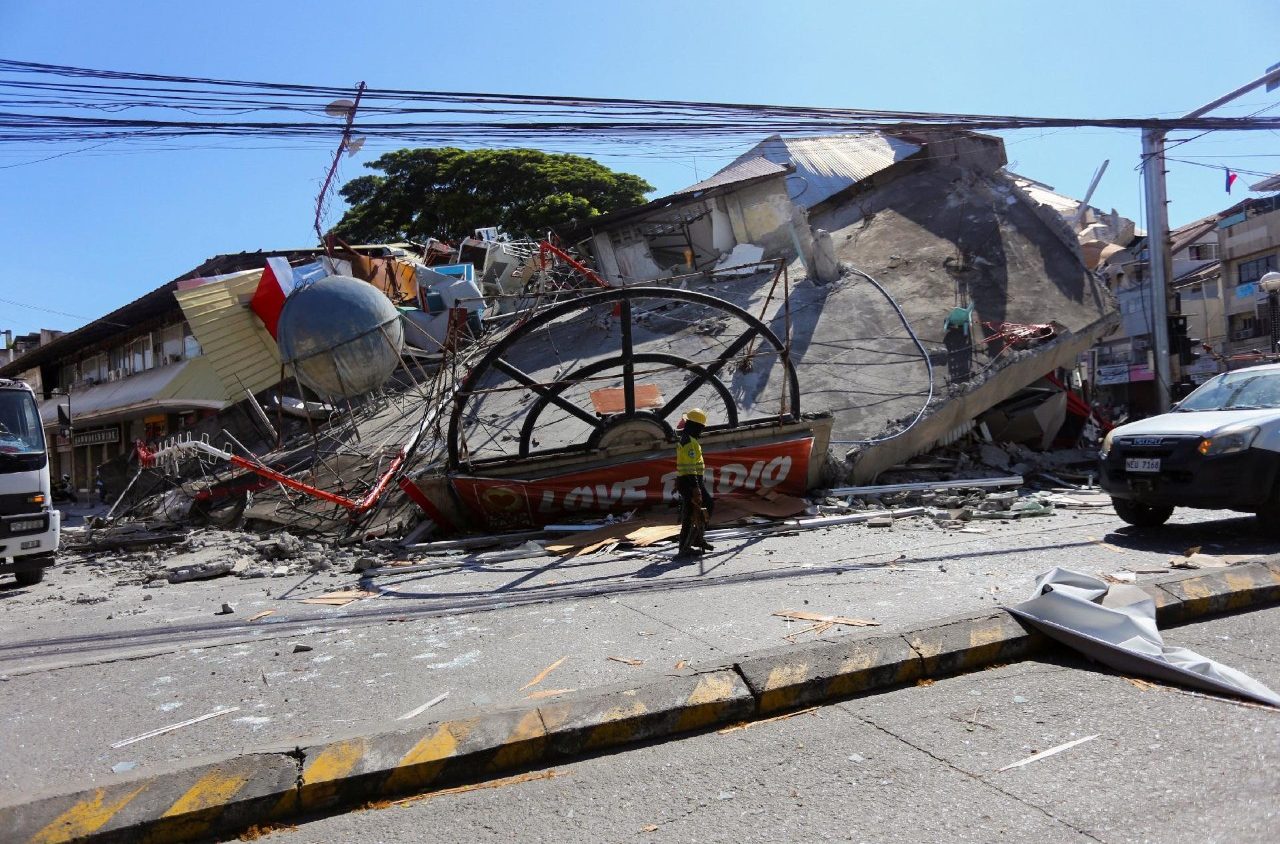
The human toll of the June 8 earthquake continues to climb as recovery efforts proceed in the southern Philippines. While initial reports varied, updated figures provided by the disaster agency indicate at least 61 people have died, according to The Guardian. AP News reports that at least 35 deaths were confirmed shortly after the event, with more than 200 people injured, primarily due to collapsing buildings.
The earthquake struck at 7:37 a.m. while many students were gathering for flag-raising ceremonies. In the town of Malita, the seismic activity transformed the first day of school following a summer break into a scene of chaos. “Their excitement on the first day of school turned to trauma,” Rosavel Cachuela, a school principal, told AP News.
Beyond the immediate loss of life, search and rescue operations are navigating difficult terrain. A landslide in the municipality of Glan, Sarangani province, was responsible for 13 of the deaths, as confirmed by Rene Punzalan, a provincial disaster-mitigation official. As of this week, authorities report that at least 40 people remain missing.
Geological Impact: The Coastal Uplift
Photo: The Guardian
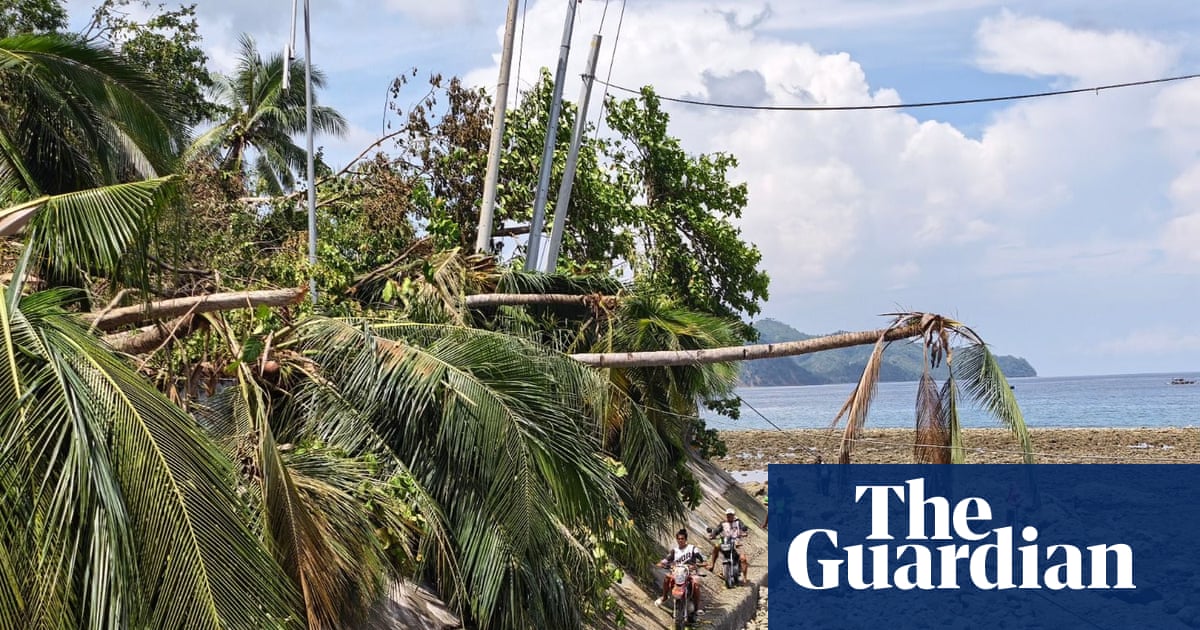
The earthquake’s power resulted in a rare geological phenomenon known as coastal uplift. The Philippine Institute of Volcanology and Seismology (PHIVOLCS) noted that the shifting of the Cotabato trench forced parts of the coastlines in Sarangani and Davao Occidental provinces upward, exposing the seafloor.
“pushed upward part of the coastlines of Sarangani and Davao occidental [provinces] … exposing the bottom of the sea that was originally submerged”
Teresito Bacolcol, director of the Philippine Institute of Volcanology and Seismology, via The Guardian
The mapped uplift reached approximately two meters, extending the shoreline by up to 200 meters in specific areas. Environmental officials have expressed concern over the ecological consequences, as long stretches of coral reefs and seagrass beds were suddenly removed from the water. According to The Guardian, these marine habitats have begun to die off, leading to reports of decaying sea life that local residents feared could release toxic fumes.
International and Local Response
Powerful earthquake in southern Philippines leaves at least 19 dead
Pope Leo XIV addressed the tragedy during his Angelus prayer on Sunday, offering prayers for the victims and their families.
“I assure my closeness to the people of the Philippines, who were struck a few days ago by a strong earthquake. I pray for the deceased and their families, for the injured, and for all those who are suffering because of this calamity.”
Pope Leo XIV, via Vatican News
The Church of Jesus Christ of Latter-day Saints is currently coordinating with government agencies to provide food, water, and sanitation support. According to official church reporting, the quake affected more than 88,000 individuals and caused widespread damage to public infrastructure, including roads and utilities. Travel to some communities remains restricted due to a collapsed bridge and landslides that blocked major highways.
The Philippine government has directed disaster-response agencies to prioritize recovery, while international allies, including the United States, France, Japan, and New Zealand, have signaled their readiness to assist. Teresito Bacolcol, the director of PHIVOLCS, has warned residents to remain cautious regarding the structural integrity of damaged buildings, as the region remains susceptible to aftershocks.
Infrastructure and Economic Disruption
The earthquake’s impact on the regional economy is centered in General Santos, a key hub for the tuna export industry. The city sustained heavy damage to low-rise buildings, and the local international airport was forced to suspend operations, resulting in the cancellation of 17 domestic flights.
While the immediate crisis involves search and rescue, the long-term recovery will require significant attention to the damaged infrastructure mentioned by the church’s relief efforts. With thousands of evacuees currently sheltered in temporary meetinghouses and public facilities, the logistical challenge of restoring electricity and water remains the primary focus for local government units in the coming weeks.
Rafael Moreno directs international correspondents from London to Singapore. A multilingual journalist born in Madrid, he spent 12 years covering diplomacy and conflict for Global Affairs Review. His background in political science strengthens Globally Pulse’s depth in world reporting.