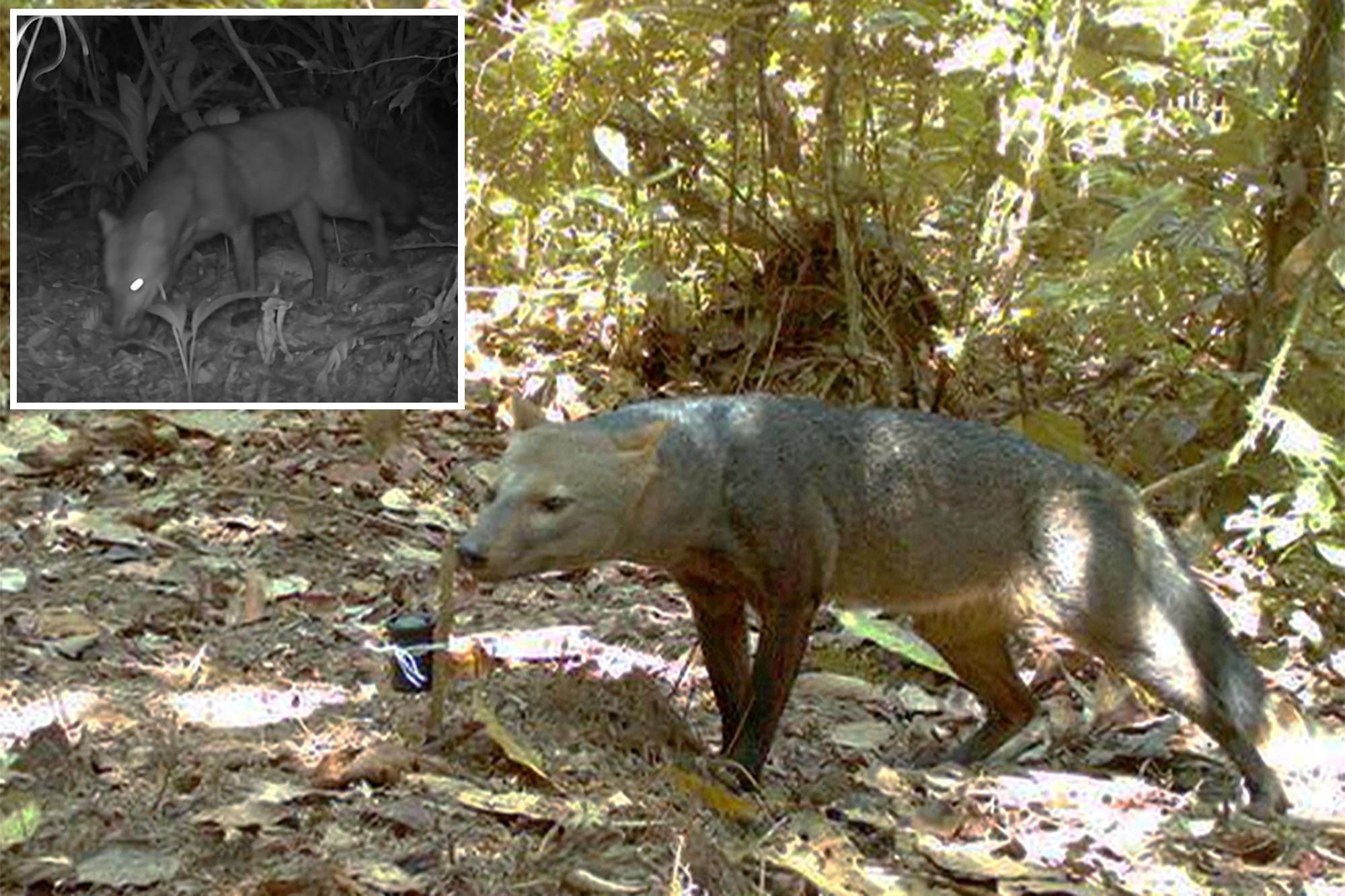
A new study reveals the Amazon’s elusive “ghost dog” — the short-eared dog — is far more abundant than scientists believed, with 594 camera-trap sightings over 25 years showing densities of 15 dogs per 38.61 square miles in Bolivia and Peru. Researchers say the species, once considered an “almost mythical beast,” thrives in protected forests, challenging assumptions about its rarity.
How 25 Years of Camera Traps Uncovered the Ghost Dog’s Secret Life
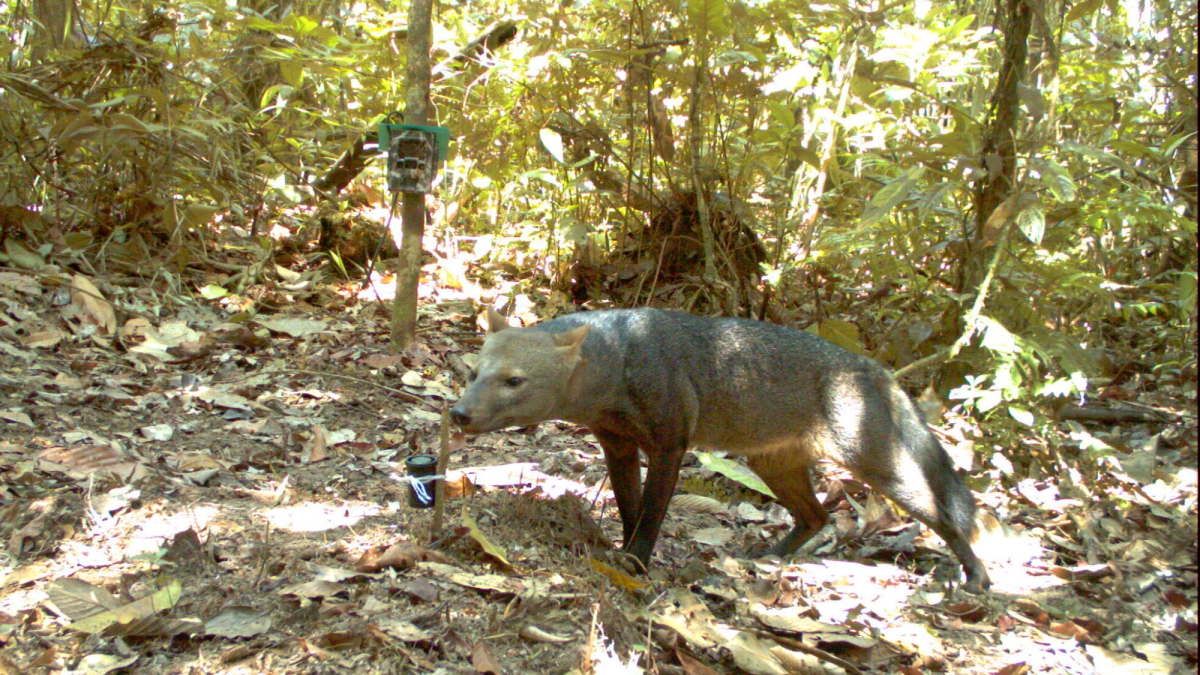
The short-eared dog (*Atelocynus microtis*), nicknamed the “ghost dog” for its near-mythical elusiveness, has been one of the least studied mammals in the Amazon. But a 25-year effort using 34 camera-trap surveys across Bolivia and Peru has transformed it from a cryptic rumor into a documented species with surprising numbers. According to a study published in May in *Neotropical Biology and Conservation*, researchers collected 594 photographs of the dogs — far more than expected — proving they are not as rare as once feared.
The study’s lead author, Dr. Robert Wallace of the Wildlife Conservation Society, called the findings a “wonderful example of how conservation technology and remote sensing can provide substantial data on one of the least known species of the Amazonian rainforests.” The dogs, with their large heads, small ears, and partially webbed paws, were most frequently spotted in protected areas, suggesting their survival depends on forest conservation. The New York Post reports that the species’ density — 15 dogs per 38.61 square miles — is higher than that of larger predators like jaguars but lower than medium-sized carnivores like ocelots.
Photo: ZME Science
What makes the discovery especially striking is how the dogs evade detection. Unlike many Amazonian species, they are not primarily nocturnal: 72% of camera-trap events occurred between 6 a.m. and noon, according to ZME Science. Their preference for dense upland forests — far from rivers — and their acute senses of hearing and smell have kept them hidden from humans for decades. Even their partially webbed paws, a rare trait among Amazonian canids, were only confirmed through these images.
Why Protected Forests Are the Ghost Dog’s Last Line of Defense
The study’s most critical finding is that short-eared dogs are far more common in protected areas than in unmanaged forests. Researchers found higher densities in national parks and Indigenous territories, where deforestation and human encroachment are limited. “The most important management strategy is the protection of Amazonian forest canopy,” Wallace told reporters, emphasizing that “the creation and effective management of protected areas is the most important element, in combination with the sustainable management of Indigenous territories.”
This aligns with broader conservation trends: species that rely on intact ecosystems often decline as habitats fragment. The ghost dog’s reliance on dense forests — and its avoidance of riverbanks — means it is particularly vulnerable to logging and agriculture. Popular Science notes that the dogs’ scarcity in unprotected regions suggests they may already be disappearing from areas where forests have been cleared.
Photo: Yahoo
The implications are stark. While the ghost dog is not yet endangered, its dependence on pristine habitats means its future hinges on whether protected areas can withstand pressure from development. Indigenous territories, which often overlap with national parks, play a dual role: they provide critical habitat and act as a buffer against illegal logging. The study’s authors warn that without stronger enforcement, the ghost dog’s population could shrink rapidly.
How the Study Changed What We Know About the Ghost Dog
Before this research, the short-eared dog was considered one of the world’s least-known canids. Museum records were sparse, and direct sightings by biologists were rare. The camera-trap data now provide the first large-scale glimpse into its behavior, diet, and habitat preferences. Key revelations include:
– Daytime activity: Contrary to the assumption that the ghost dog is nocturnal, 72% of sightings occurred between 6 a.m. and noon.
– Forest specialist: The species avoids riverine habitats, preferring upland forests with dense canopy.
– Webbed paws: A unique trait among Amazonian canids, suggesting adaptations for semi-aquatic foraging.
– Protected-area dependency: Higher densities in national parks and Indigenous lands confirm their role as conservation strongholds.
“The most surprising aspect of the results was that despite being an almost mythical beast, short-eared dogs are much more abundant than we had imagined,” Wallace said in a statement. Yahoo News highlights how the study overturns decades of speculation about the species’ rarity.
“The short-eared dog, or ghost dog, is perhaps the least known medium- to large-sized Neotropical mammal and potentially one of the scarcest canids.”
— Dr. Robert Wallace, lead researcher, via <a href="https://nypost.
What Happens Next: Conservation and the Ghost Dog’s Future
The study’s findings raise urgent questions about how to protect the ghost dog in the face of Amazonian deforestation. While the species is not yet critically endangered, its limited range and habitat specificity make it vulnerable. Conservationists now face three key challenges:
1. Expanding protected areas: The study confirms that national parks and Indigenous territories are critical. Expanding these zones — and securing funding for their management — will be essential.
2. Monitoring populations: Camera traps have proven effective, but long-term tracking is needed to assess trends. The Wildlife Conservation Society and local NGOs may lead efforts to deploy more traps.
3. Engaging Indigenous communities: Since many ghost dog sightings occurred in Indigenous lands, partnerships with these groups will be vital for both research and enforcement.
The study also underscores a broader lesson: even “mythical” species can be more common than assumed, but only if their habitats are preserved. For the ghost dog, the next decade will determine whether it remains a shadowy legend or a well-documented part of the Amazon’s biodiversity.
Ghost Dog Watches A Civilian Defend Themselves | Ghost Dog: The Way of the Samurai
One lingering question is whether the ghost dog’s abundance is a regional phenomenon or applies across its entire range. The study focused on Bolivia and Peru, but the species also lives in Brazil and Colombia. If similar densities exist elsewhere, the global population may be larger than feared. However, without additional camera-trap data from those regions, the full picture remains unclear.
How This Discovery Fits Into Amazonian Conservation
The ghost dog’s story is part of a larger narrative about the Amazon’s hidden biodiversity. Over the past decade, camera traps have revealed surprising populations of other elusive species, from giant otters to jaguars. What makes the ghost dog unique is its combination of rarity (until now) and ecological specialization — it is a true forest specialist, with no tolerance for degraded habitats.
This discovery also highlights the role of Indigenous territories in conservation. In Bolivia and Peru, overlapping protected areas and Indigenous lands have created refuges for species like the ghost dog. As global attention turns to Amazonian deforestation, these findings could strengthen arguments for expanding Indigenous land rights and protected zones.
Photo: Popular Science
For scientists, the study is a triumph of long-term fieldwork. The 25-year camera-trap effort required patience, persistence, and collaboration across borders. As Wallace noted, the ghost dog’s story is “a wonderful example of how conservation technology can provide substantial data on one of the least known species.” With more tools like these, other “mythical beasts” of the Amazon may yet emerge from the shadows.
<!– /wp:paragraph Yet this discovery underscores the urgent need for expanded conservation efforts to protect elusive species before their habitats face further encroachment.
Rafael Moreno directs international correspondents from London to Singapore. A multilingual journalist born in Madrid, he spent 12 years covering diplomacy and conflict for Global Affairs Review. His background in political science strengthens Globally Pulse’s depth in world reporting.