The U.S. and Iran signed a cease-fire agreement Thursday, ending a six-week war that left President Donald Trump’s administration humiliated and Iran’s regime stronger than ever. The deal, set to take effect immediately, includes a 60-day truce and the reopening of the Strait of Hormuz—but leaves Iran’s nuclear program and missile capabilities untouched, according to The Atlantic.
Trump’s War, Iran’s Victory: What the Cease-Fire Really Means
Trump’s campaign against Iran began with a promise of “unconditional surrender.” Instead, he secured a deal that The Atlantic calls a “humbling whimper”—one that preserves Tehran’s military infrastructure while forcing the U.S. to abandon its blockade of the Strait of Hormuz. The agreement, signed in Geneva, delays any discussion of Iran’s uranium-enrichment program, a core demand Trump had framed as the war’s justification. Even the White House’s own negotiators, Jared Kushner and Steve Witkoff, have privately expressed reservations about the terms, according to The Atlantic.
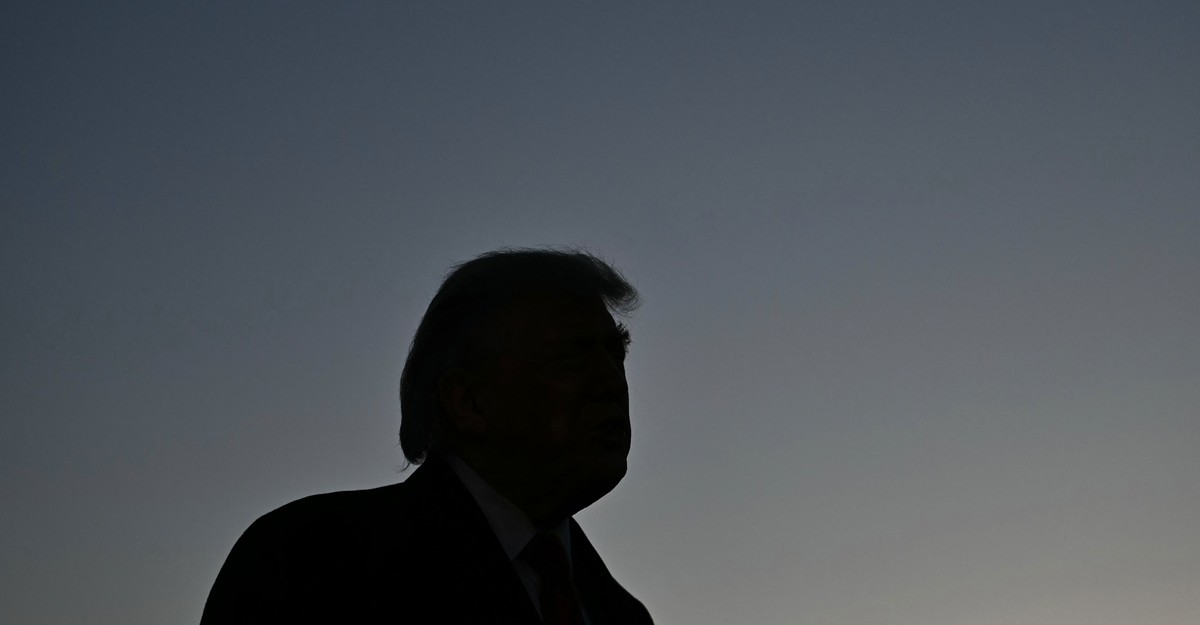
For all the talk of U.S. military superiority, the war exposed deep strategic flaws. According to Foreign Affairs, the U.S. flew over 10,000 air sorties, destroyed 85% of Iran’s missile production facilities, and sank most of its naval vessels—yet Tehran’s regime survived, adapted, and even tightened its grip on regional trade routes. The conflict drained U.S. military resources, strained alliances, and failed to deliver any of Trump’s stated goals: no regime change, no nuclear concessions, and no end to Iran’s proxy networks. Instead, the war emboldened hardliners in Tehran, who now control a weakened U.S. president desperate to declare victory.
How the U.S. Lost: A War of Numbers and Illusions
The U.S. military’s operational successes masked a strategic failure. Foreign Affairs reports that while the Pentagon demolished 70% of Iran’s missile launch infrastructure, Tehran’s asymmetric tactics—targeting civilian infrastructure, disrupting global shipping, and pressuring the Strait of Hormuz—forced Washington into a defensive posture. The U.S. could not neutralize Iran before its retaliatory strikes shattered the Gulf’s reputation as a stable economic hub. Even Israel, America’s closest ally, found itself sidelined as Trump prioritized negotiations over military pressure.
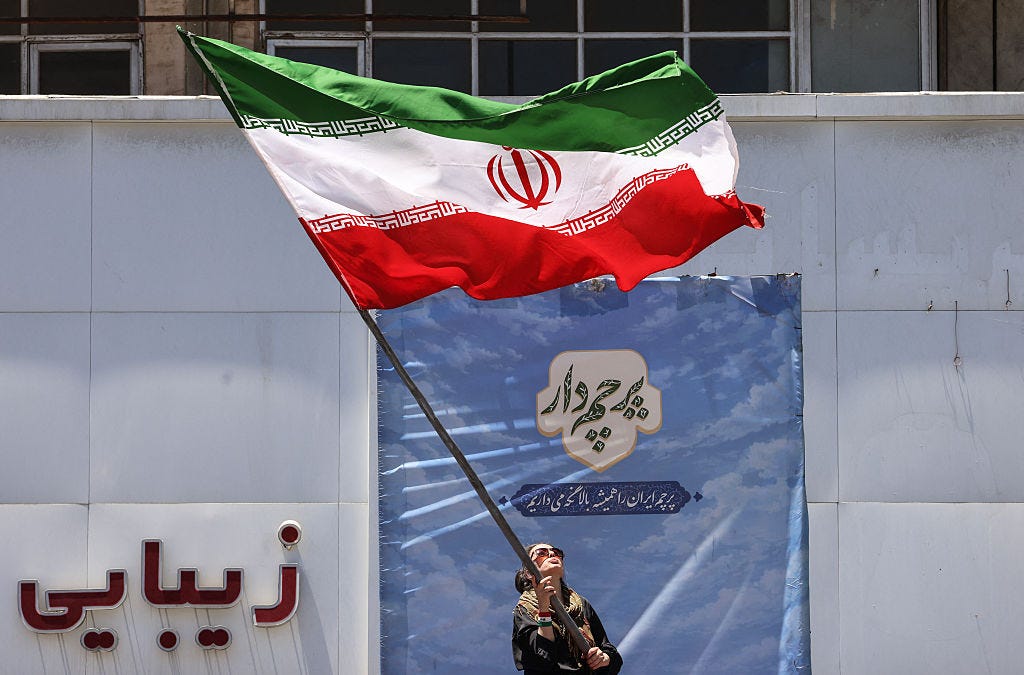
One key metric stands out: the absence of U.S. casualties. Foreign Policy notes that fewer than 20 American soldiers died in the conflict—far less than the 60,000 Americans who perished in Vietnam. Yet the war’s strategic cost dwarfs its human toll. The U.S. exhausted its arsenal, strained its alliances, and failed to secure a postwar deal that safeguarded its partners. The result? A Middle East where Iran’s influence has grown, not diminished.
The MOU That Wasn’t: Why the Cease-Fire Is a Pyrrhic Victory
The cease-fire agreement, signed electronically, is a memorandum of understanding (MOU)—a term that carries little legal weight. The Free Press warns that such agreements are often “not worth the paper they’re written on,” and this one is no exception. While Iran has agreed to reopen the Strait of Hormuz for 60 days, it has left open the possibility of reinstating fees afterward. More critically, the deal delays any discussion of Iran’s nuclear program, despite Trump’s repeated insistence that stopping enrichment was the war’s primary goal.
Douglas Murray, writing for The Free Press, frames the MOU as a trap: Iran has forced the U.S. to accept terms that preserve its military and economic leverage while giving Trump a face-saving exit. The agreement’s secrecy—Trump has refused to release its full text—only deepens skepticism. Even within the administration, divisions persist: CIA Director John Ratcliffe and Secretary of State Marco Rubio have expressed quiet doubts about the deal’s implementation, according to The Atlantic.
What Comes Next: A President in Retreat and Iran’s Long Game
Trump’s political future now hangs on whether he can spin the cease-fire as a victory. With midterm elections looming and his poll numbers sagging, the president has doubled down on rhetoric, comparing the deal to the 2015 Iran nuclear accord—a move that has alienated even his own allies. The Atlantic reports that Trump has privately denounced hawks in his own party for questioning the agreement, while Vice President Vance has taken to TV appearances to promote it as a triumph.

Yet the real losers may be the American people. The war’s economic toll—rising fuel prices, disrupted trade, and strained military budgets—has already taken a bite out of public support. With no clear path to address Iran’s nuclear ambitions, the U.S. risks repeating the mistakes of the past: another conflict that ends in stalemate, another regime that survives intact, and another generation of Americans left wondering what the war was for.
For Iran, the cease-fire is a strategic win. The regime has demonstrated resilience, forced the U.S. into a defensive posture, and secured a breathing room that allows it to regroup. As Foreign Affairs notes, Tehran has adapted to attrition warfare, turning the Gulf into a contested zone where the U.S. cannot afford another prolonged conflict. The question now is whether Trump’s administration can recover from this defeat—or if Iran’s victory will define the next chapter of Middle East geopolitics.
The Historical Parallel: Vietnam, Iran, and the Cost of Overreach
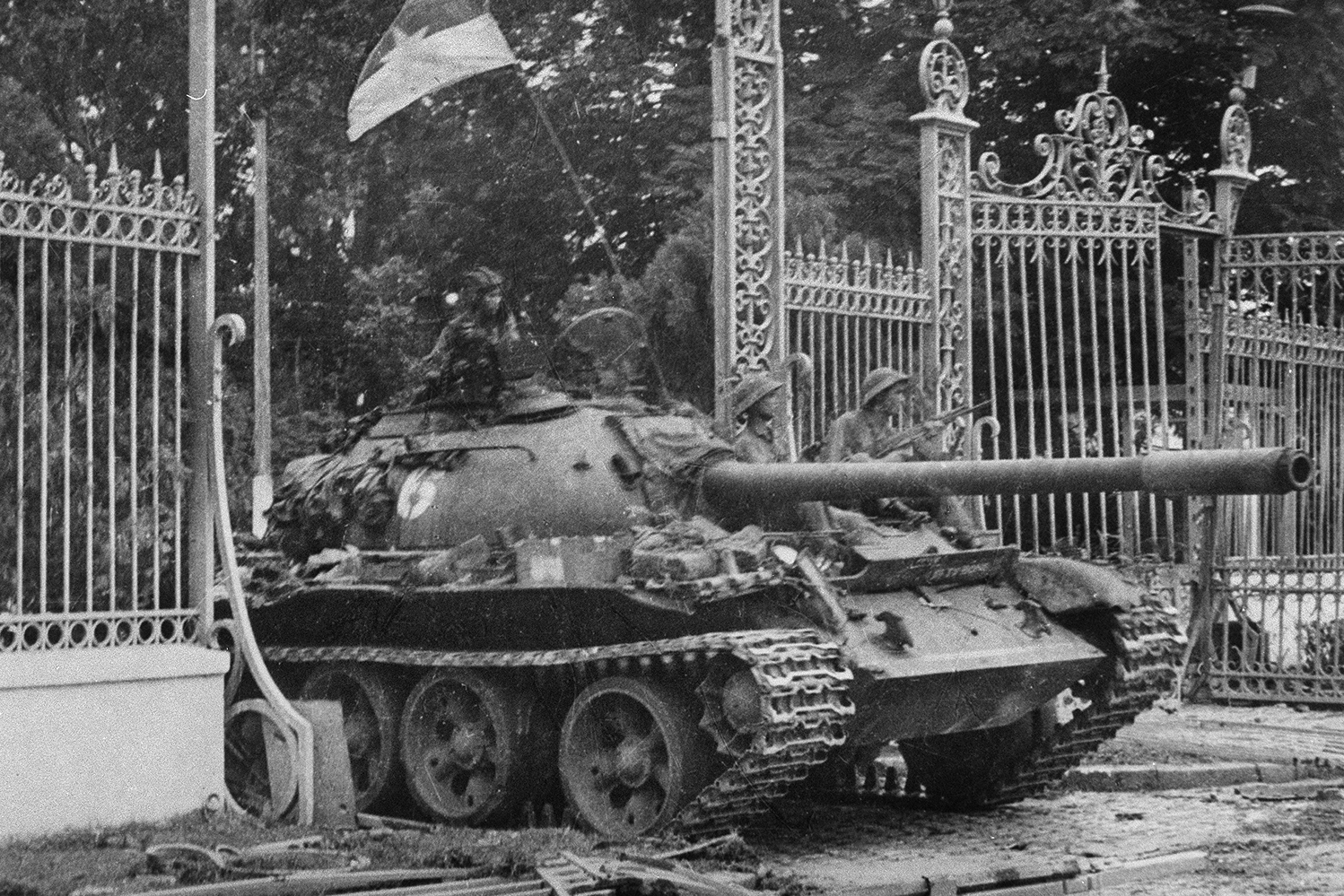
The parallels between Vietnam and Iran are striking. In both cases, the U.S. entered a conflict with overwhelming military power, only to find its strategic goals elusive. Foreign Policy argues that the Iranian war may prove even more damaging to America’s global standing than Vietnam, not because of battlefield losses, but because of the war’s economic and diplomatic fallout.
A 2014 Chicago Council on Global Affairs poll found that 58% of Americans viewed Vietnam as a “dark moment” in U.S. history, while only 12% saw it as a success. Today, the risk is that Iran’s war will be remembered similarly—not as a military defeat, but as a strategic one that left the U.S. weaker, its allies divided, and its enemies emboldened. The difference this time? There are no protests in the streets, no burned White House. The war’s remoteness has made its cost invisible to most Americans.
Yet the stakes could not be higher. If the U.S. cannot secure a lasting deal with Iran, the region’s balance of power will shift further toward Tehran. The Strait of Hormuz, the world’s most vital oil chokepoint, remains a flashpoint. And with no resolution on Iran’s nuclear program, the risk of a future confrontation—one that could escalate far beyond today’s cease-fire—looms large.
The Road Ahead: What’s Next for Trump, Iran, and the Middle East?
The next 60 days will be critical. The cease-fire buys time, but it does not resolve the underlying conflicts. Trump’s administration must now decide whether to push for a stronger deal—or accept that Iran has outmaneuvered the U.S. for now. Meanwhile, Iran’s hardliners are already positioning for the next phase, knowing that the U.S. is in no position to restart hostilities.
For Trump, the political fallout may be the most immediate threat. With Republicans already fracturing over the war’s conduct, and Democrats poised to exploit any perceived weakness, the president’s ability to rally support for future foreign policy initiatives will be tested. The Iran deal, for all its flaws, may be his last chance to salvage some semblance of victory before the midterms.
One thing is clear: the Middle East has changed. Iran’s power projection has evolved, and the U.S. has struggled to counter it. The question now is whether Washington can adapt—or if the region’s future will be shaped by a regime that has just proven it can survive even the most aggressive American campaign.
Find more reporting in our World section.
