“According to the AP, Iran’s Foreign Minister Abbas Araghchi stated that a tentative U.S.-Iran deal requires Israel to withdraw from Lebanon, a demand Israel has rejected. The agreement, which remains unpublicized, has sparked conflicting interpretations, with U.S. officials denying a withdrawal clause and Israeli Prime Minister Benjamin Netanyahu insisting the country will stay ‘as long as necessary.'”
Iran’s Demands and U.S.-Iran Negotiations
Iran’s Foreign Minister Abbas Araghchi asserted on June 16, 2026, that the U.S.-Iran deal hinges on Israel’s withdrawal from Lebanon, a condition he framed as critical to ending the war. “Without the withdrawal of Israeli forces from the territories they occupied during this war, the war has not fully come to an end,” Araghchi declared, according to the AP. This demand directly contradicts statements from a U.S. official, who told Reuters that the deal does not include an Israeli withdrawal requirement.
The memorandum of understanding (MOU) between the U.S. and Iran, described by Vice President JD Vance as “a very general document,” outlines a 60-day technical negotiation phase to resolve details on Iran’s nuclear program and sanctions relief. Vance dismissed claims that Iran would receive asset freezes before talks, calling them “definitely not true” and attributing them to “hardliners” within Iran. However, Iran’s Revolutionary Guards have reportedly pushed for unfreezing billions in assets as a precondition, according to CBS News.
Conflicting Narratives on Sanctions and Nuclear Talks

While the U.S. insists Iran must meet obligations before sanctions relief, Iran’s stance emphasizes regional stability. The MOU includes a commitment to “regional peace and stability,” with U.S. officials expecting Iran to halt funding for groups like Hamas and Hezbollah. Yet, Iran has narrowed the scope of negotiations, stating ballistic missile programs and militant support will be excluded, per CBS News. This has raised concerns about the deal’s comprehensiveness, as U.S. officials argue that addressing Iran’s broader regional activities is essential.
Israel’s Stance and Domestic Reactions
Israeli Prime Minister Benjamin Netanyahu has rejected Iran’s withdrawal demand, stating the country will remain in Lebanon “as long as necessary.” His position aligns with reports of Israel’s expanded military presence in southern Lebanon, where it has targeted Hezbollah strongholds since February 2026. The conflict has displaced over 1 million people and killed nearly 4,000, according to Al Jazeera.
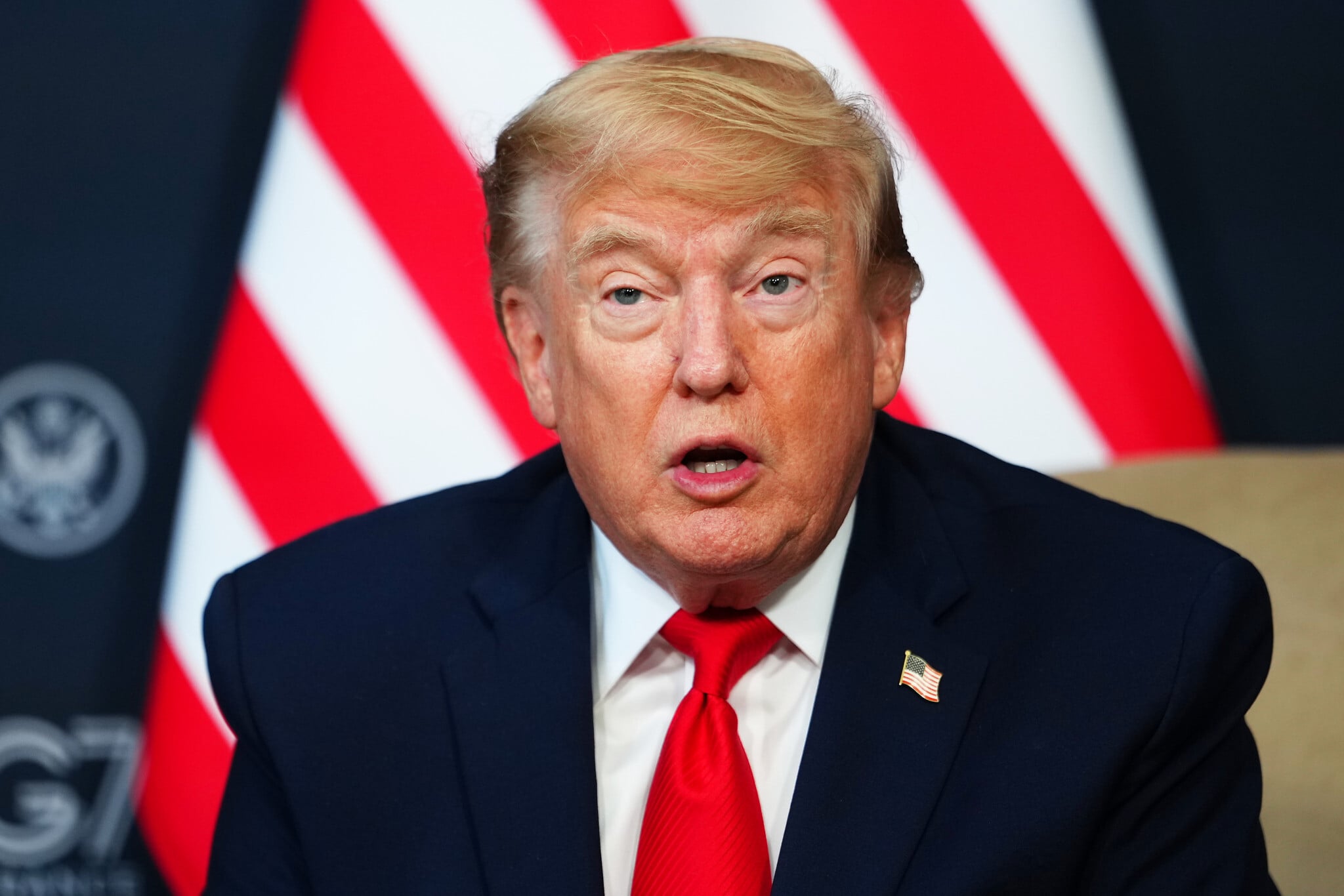
U.S. President Donald Trump, though not directly involved in current negotiations, criticized Israel’s strategy during a June 16 press conference, saying, “It just goes on forever,” and linking the prolonged conflict to the U.S.-Iran deal’s credibility. This public friction highlights the tension between Israel’s military objectives and its alliance with the U.S., which has mediated the agreement.
Domestic Political Shifts in Israel
Amid the conflict, Israeli politics is shifting. A new left-wing Arab-Jewish party, Makom Lekulanu, launched on June 16, pledging to advance “truly equal” Jewish-Arab partnership. The party, led by Rula Daood and Alon-Lee Green, aims to challenge the ruling Likud’s dominance and push for Israeli-Palestinian peace. While unrelated to the U.S.-Iran deal, its emergence underscores domestic pressures on Netanyahu’s government to address both regional and internal divisions.
Humanitarian Impact in Lebanon
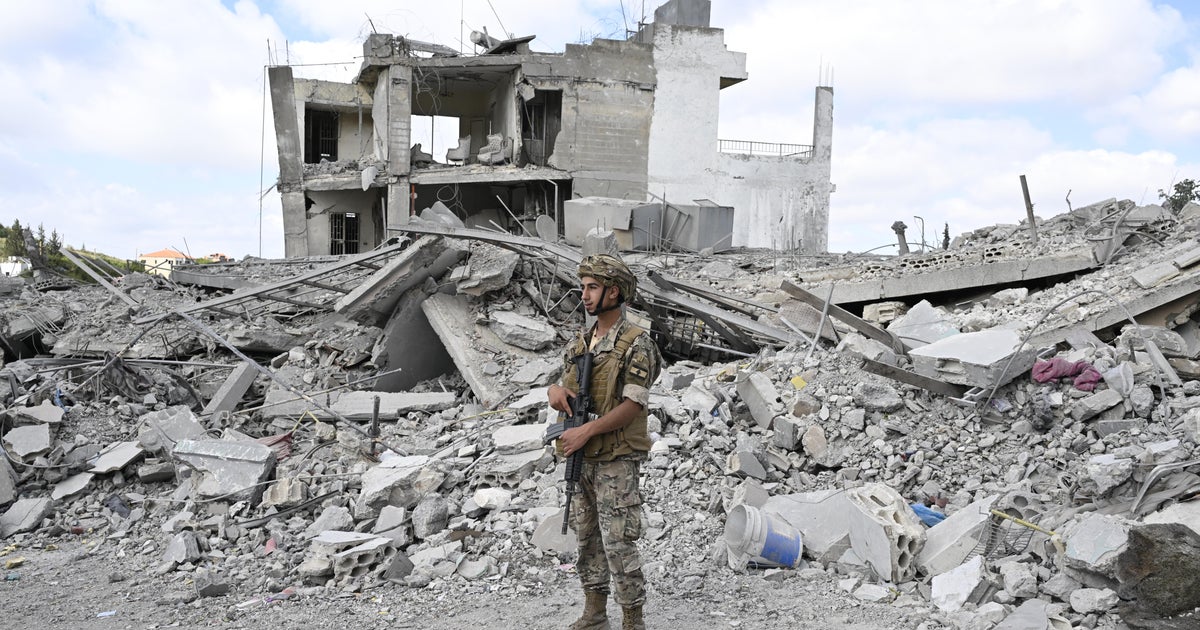
The fragile ceasefire has allowed some displaced families to return to southern Lebanon, but the region remains in ruins. Al Jazeera reported that homes, shops, and public buildings have been “levelled,” with many residents salvaging belongings before leaving again. The Lebanese government, which initially sought to distance itself from U.S.-Iran negotiations, now views the deal as a potential path to stability. However, Pakistan, a key mediator, has emphasized that the agreement must include an end to military operations in Lebanon, per the AP.
Strait of Hormuz and Regional Tensions
The U.S.-Iran conflict has also impacted global energy supplies. The Strait of Hormuz, a critical waterway, remains “effectively shut” due to the prolonged ceasefire, according to the AP. This has heightened fears of a broader regional war, with Iran and Israel each accusing the other of destabilizing the area.
Regional Implications and Mediation Efforts
The deal’s success hinges on mediating conflicting interests. Pakistan’s role as a mediator has been pivotal, but Araghchi’s withdrawal demand complicates negotiations. Meanwhile, Israel faces a dilemma: degrading Hezbollah while avoiding actions that could derail the U.S.-Iran agreement.
What Comes Next?
The 60-day technical negotiations, set to begin soon, will determine whether the deal progresses. However, the lack of transparency—no full MOU has been released—fuels skepticism. Analysts warn that without clarity on sanctions, nuclear terms, and Israel’s role, the agreement risks collapse. As Vance noted, “There is a really big opportunity for the Iranians, but they only get the benefit of that opportunity if they do the things they promise they’re going to do.”
The coming weeks will test whether the U.S., Iran, and Israel can reconcile their priorities, with global energy markets and regional stability hanging in the balance.
Find more reporting in our World section.